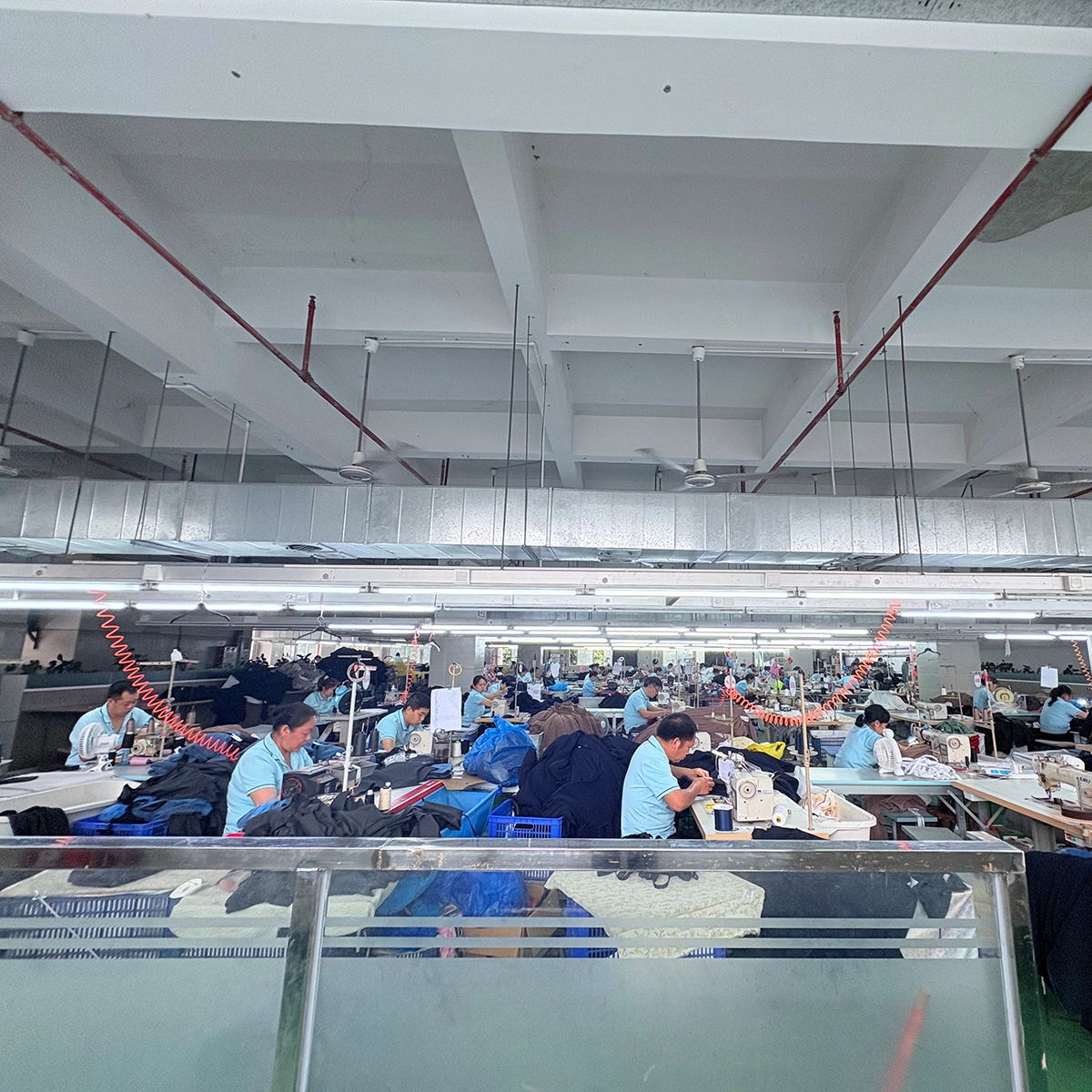
Our Midi Dress Manufacturing Capabilities
- 18+ years of apparel manufacturing experience
- 150,000+ pieces monthly production capacity
- 750+ skilled garment workers
- 500+ sewing machines
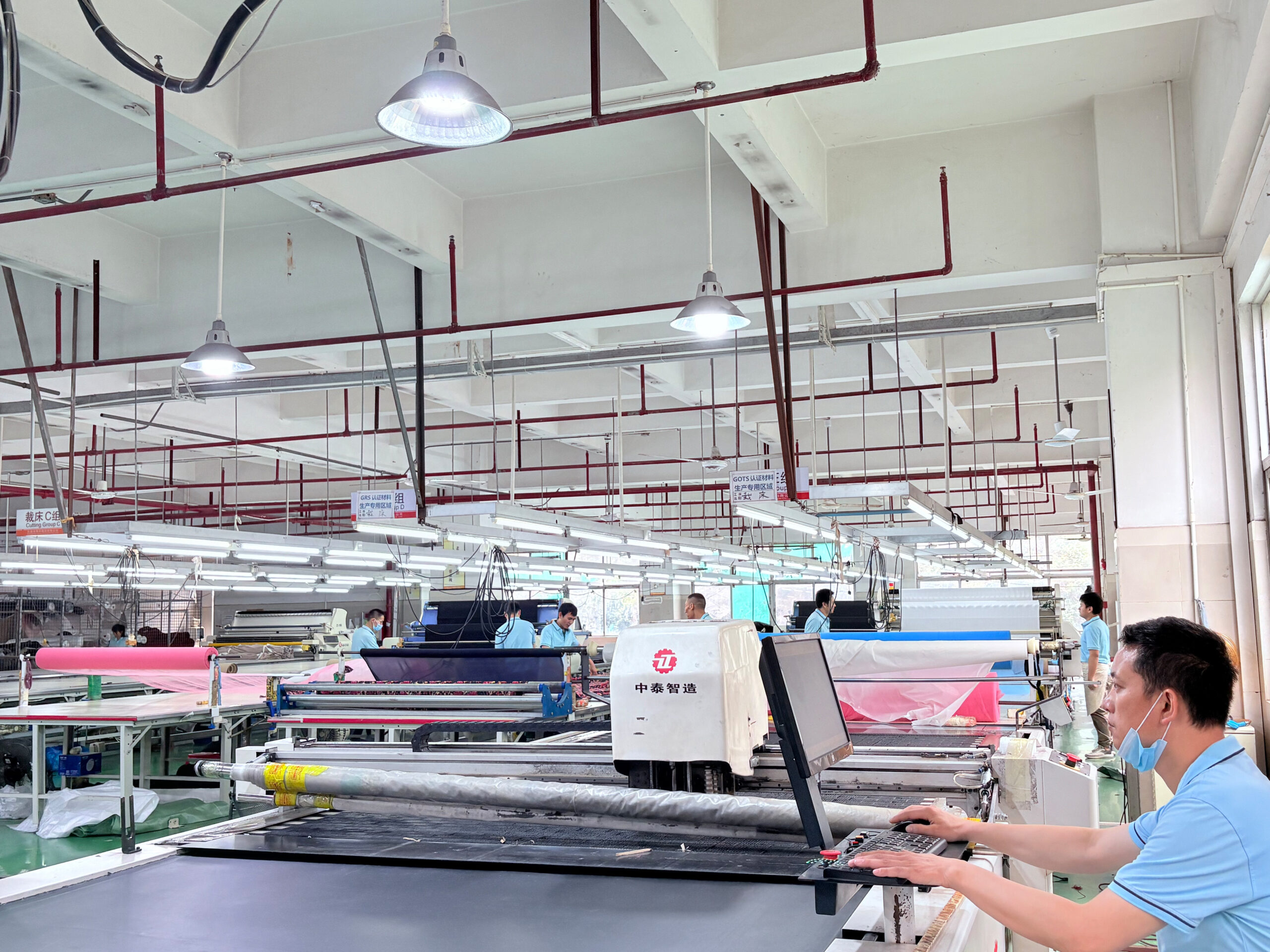
- 5 automatic cutting lines
- OEM and ODM development support
- Low MOQ production from 50–100 pieces
- Private label production
- Global export experience
Custom Midi Dress Manufacturing for Fashion Brands
When developing a midi dress, the design is only one part of the job. Fabric weight, drape, stretch, waist placement and skirt length can all change the fit and overall proportion. A bias-cut satin dress, for example, needs different handling from a structured cotton A-line style.
A tech pack is helpful, but you do not need to have the whole file finished before contacting us. A sketch, reference garment or product photo is enough for an initial review.
Before the first sample, we check the measurements, fabric, pattern and construction details. If we see a problem at this stage, we would rather flag it before cutting the sample than correct it later in production.
At Xiuyu Apparel, we are a China-based clothing manufacturer producing custom midi dresses for fashion brands, startups, designers, retailers and private label businesses. We can also help source suitable fabrics when the material has not been finalized.
From pattern making and sampling to cutting, sewing, inspection, finishing and packing, the work is handled through our production process before the order moves into bulk manufacturing. This is the same production approach we use across our wider dress manufacturer range, with the production details adjusted according to the fabric and construction of each style.
Fabric Options for Custom Midi Dresses
Fabric selection affects how a midi dress fits, falls and runs through production. Before a fabric is confirmed, we look at composition, weight, width, stretch, drape and shrinkage. The fabric is usually one of the first things we need to confirm because it can change the pattern and fabric consumption. A fabric that looks similar in a photo may behave quite differently once it is cut and sewn.
If you already have a fabric supplier, you can send us the composition, GSM, fabric width or a physical swatch. If the fabric has not been decided, tell us the hand feel, weight, stretch, season and target price, and we can source suitable options for sampling.
| Fabric | Common Midi Dress Applications | Production Considerations |
|---|---|---|
| Silk | Slip, premium and occasion styles | Drape, shrinkage, surface handling |
| Satin | Evening, party and slip styles | Drape, pressing, seam appearance |
| Cotton | Casual, A-line and summer styles | Shrinkage, weight and washing |
| Linen | Resort and summer collections | Shrinkage, pressing and texture |
| Chiffon | Floral, layered and feminine styles | Transparency, layering and seam finishing |
| Crepe | Occasion and fitted styles | Drape, fitting and surface |
| Lace | Occasion and premium collections | Pattern placement, lining and usable width |
| Velvet | Autumn/winter and occasion styles | Pile direction, pressing and fabric handling |
| Polyester Blends | Commercial fashion production | Cost, stability and availability |
| Stretch Fabrics | Bodycon and fitted styles | Stretch, recovery and size grading |
Popular Midi Dress Styles We Can Customize
Midi dresses can look similar in a product catalog, but the production work can be quite different. The pattern is not handled the same way for every style. A fitted stretch dress, for example, needs a different starting point from a loose woven style.
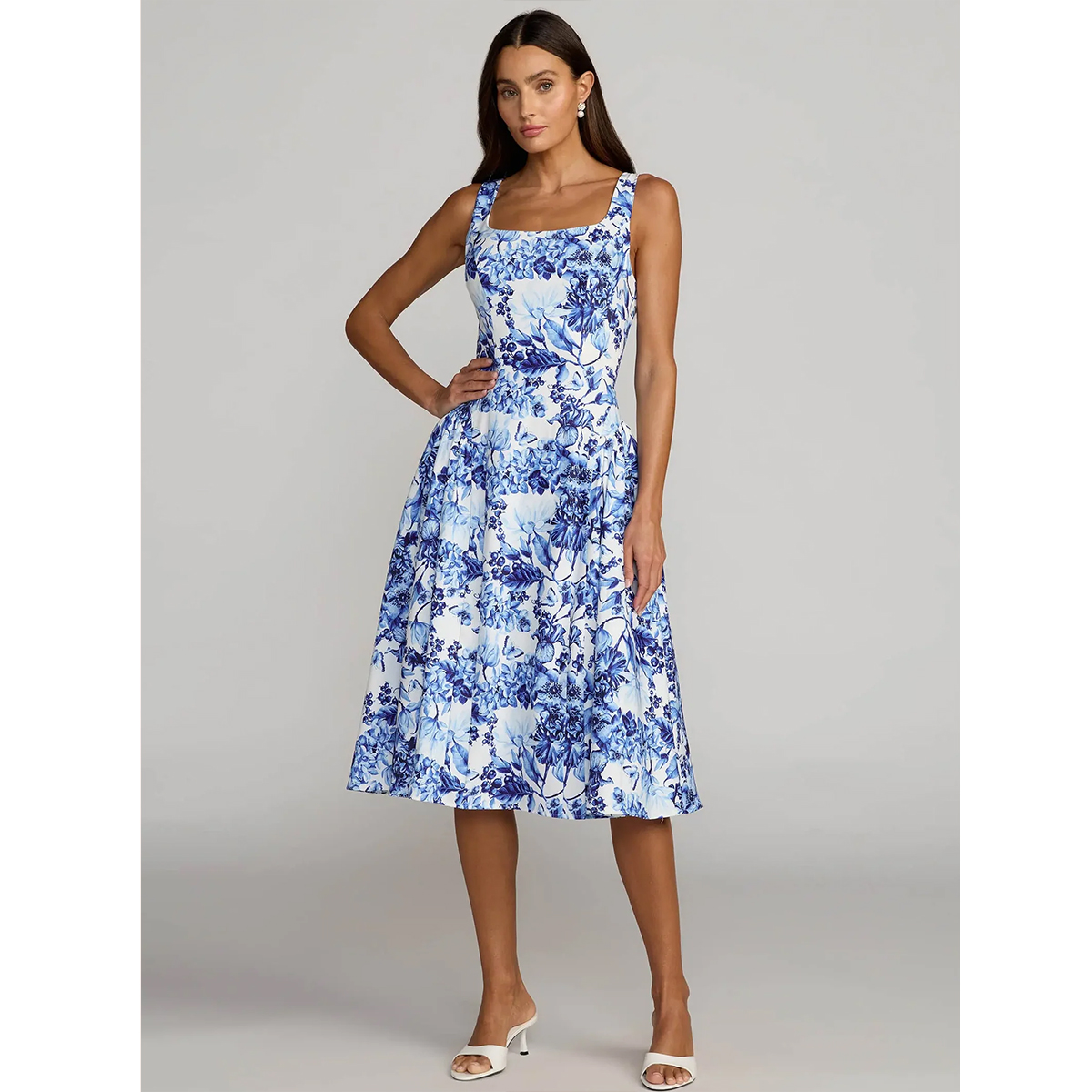
For an A-line midi, we pay close attention to where the waist sits and how much the skirt opens from the hip. Fabric weight makes a noticeable difference here. A firm cotton may hold the shape, while a softer fabric will fall closer to the body.
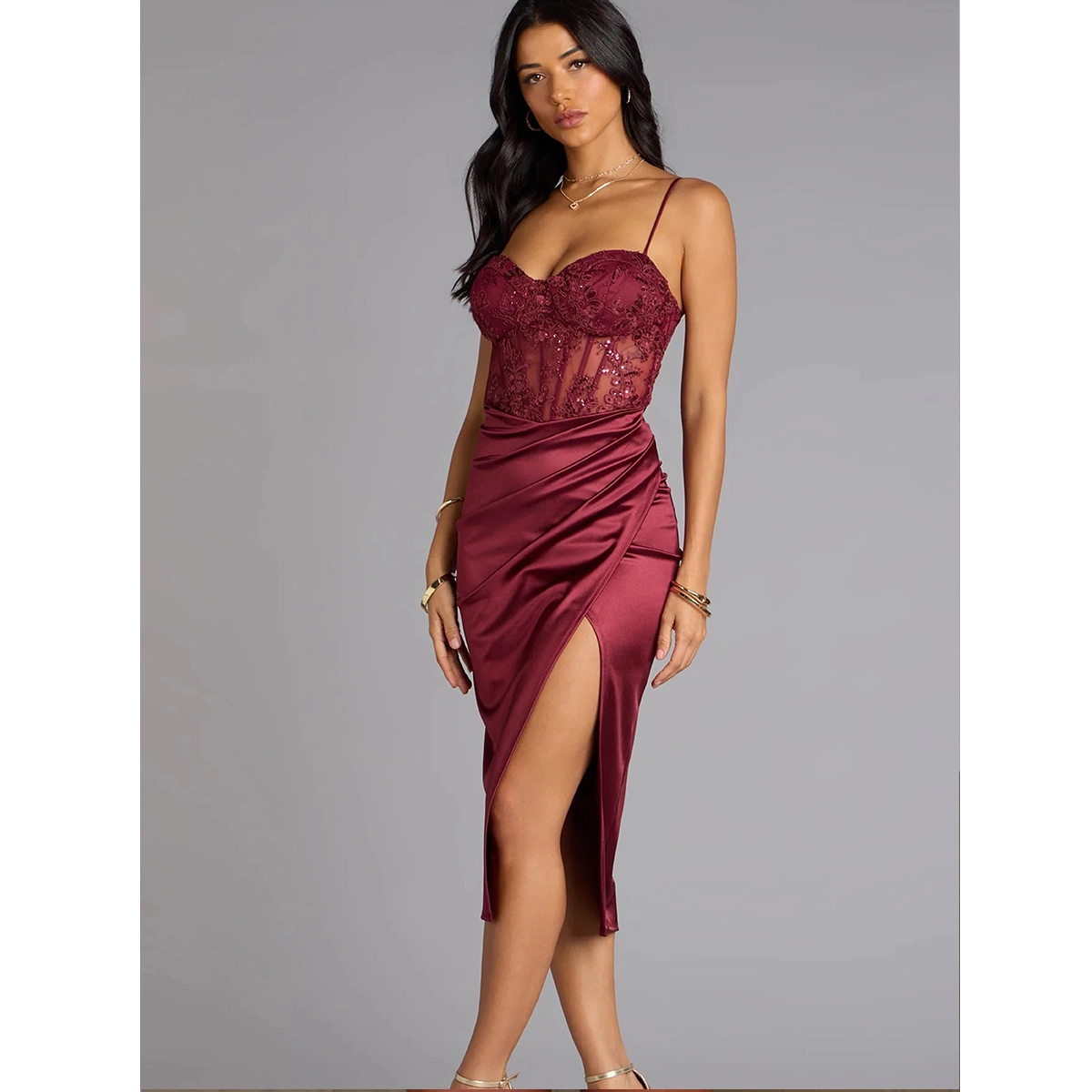
Satin tends to show small sewing and pressing issues once the garment is finished. We pay particular attention to zipper areas, neckline seams and fitted sections because these areas are easy to notice on a smooth, fluid fabric.
For other satin-based dress constructions, you can also see our satin dress manufacturer service.
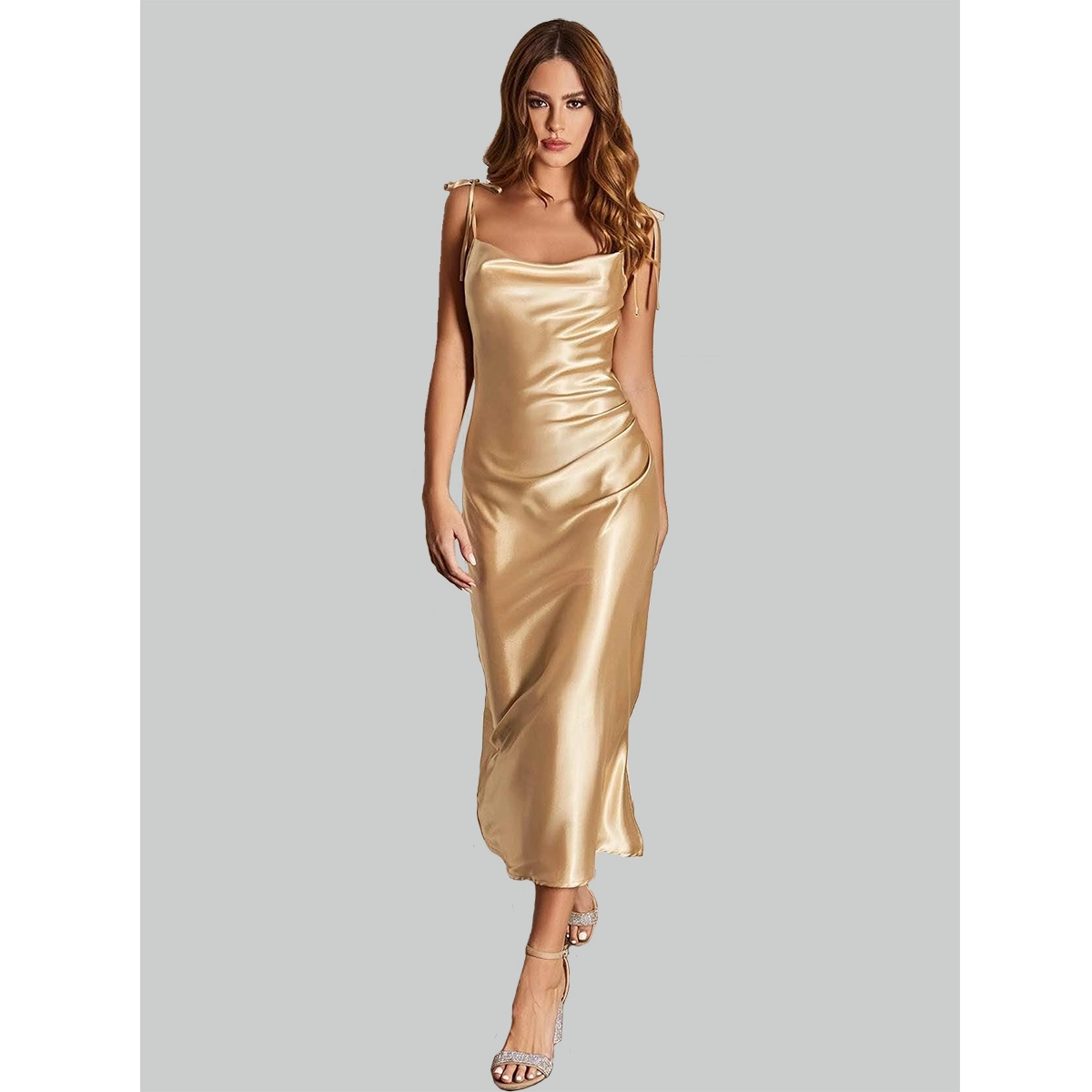
Silk weight and finish can change the way a midi dress falls. During sampling, we check shrinkage, seam handling and pressing, especially when the fabric is lightweight or has a smooth surface.
For broader silk dress production beyond midi lengths, see our silk dress manufacturer service.
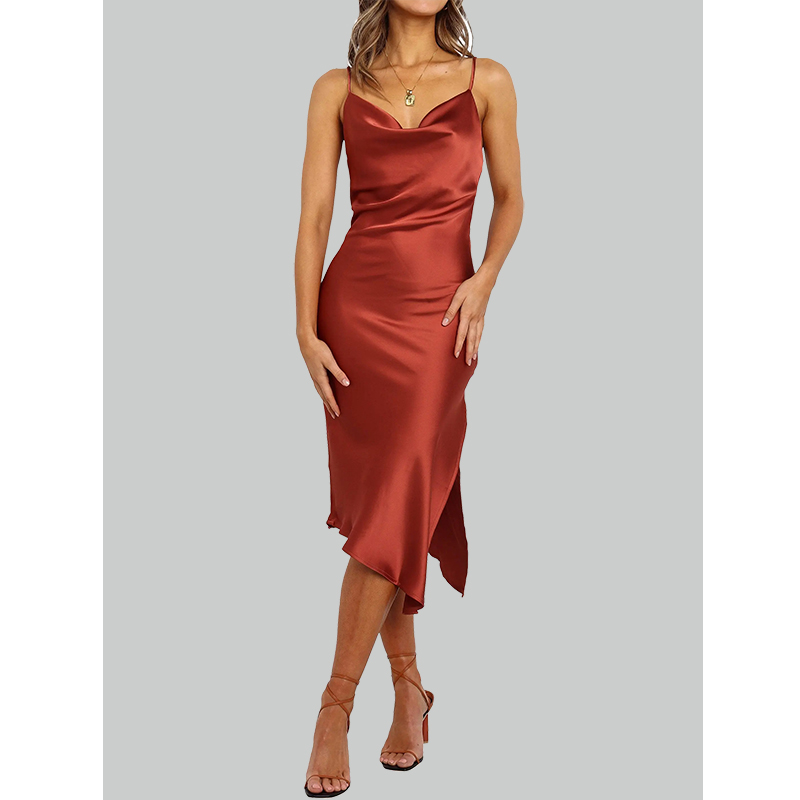
A slip midi dress may have few seams, but those seams are easy to see when the fit is wrong. Bias cutting, strap placement and hem behavior usually need more attention than the simplicity of the design suggests.
You can also explore our slip dress manufacturer service for other slip dress silhouettes.
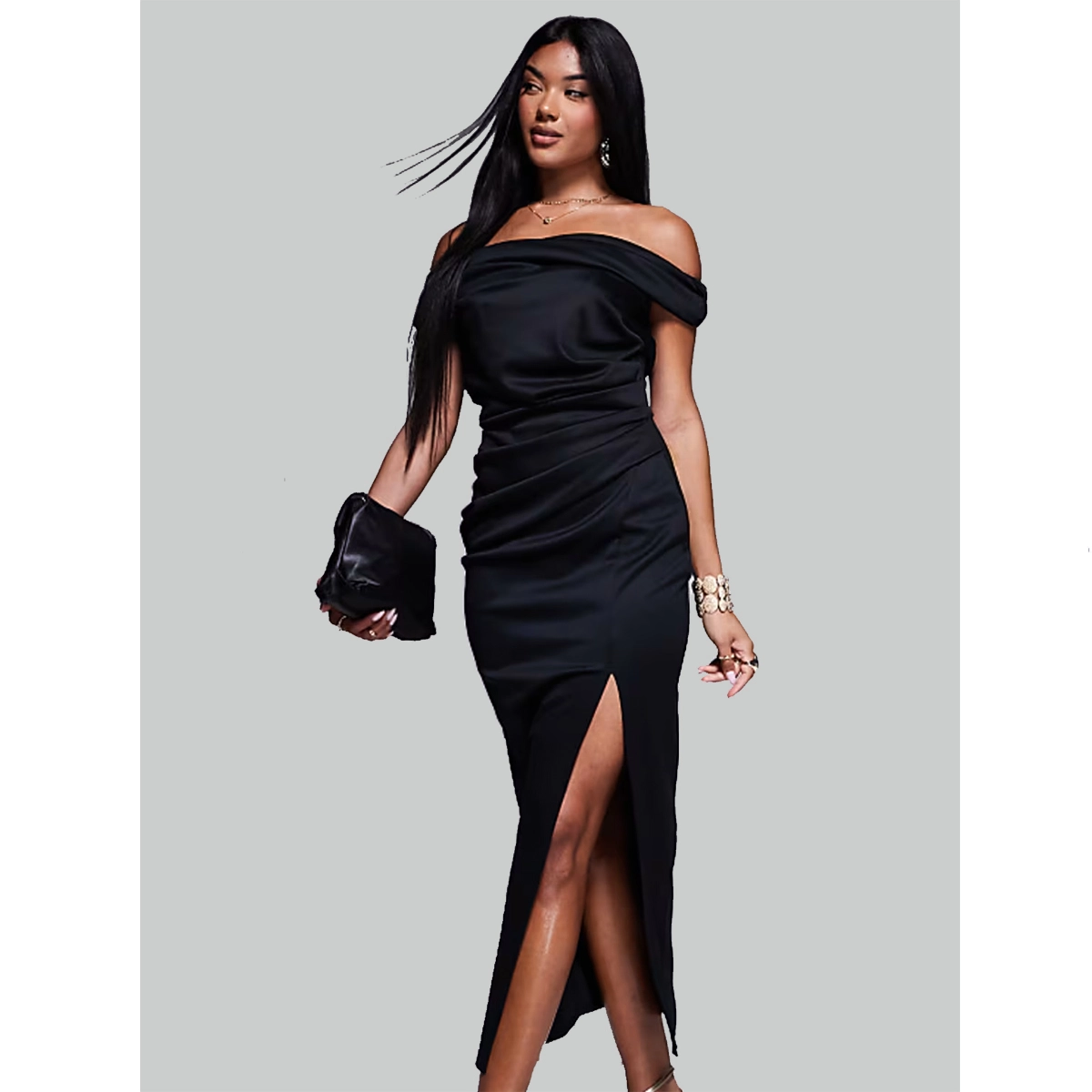
Stretch fabric can change the fit considerably even when the measurements look correct on paper. Fabric recovery needs to be considered alongside the bust, waist and hip measurements when developing the pattern.
For other fitted silhouettes, our bodycon dress manufacturer service covers related body-conscious dress production.
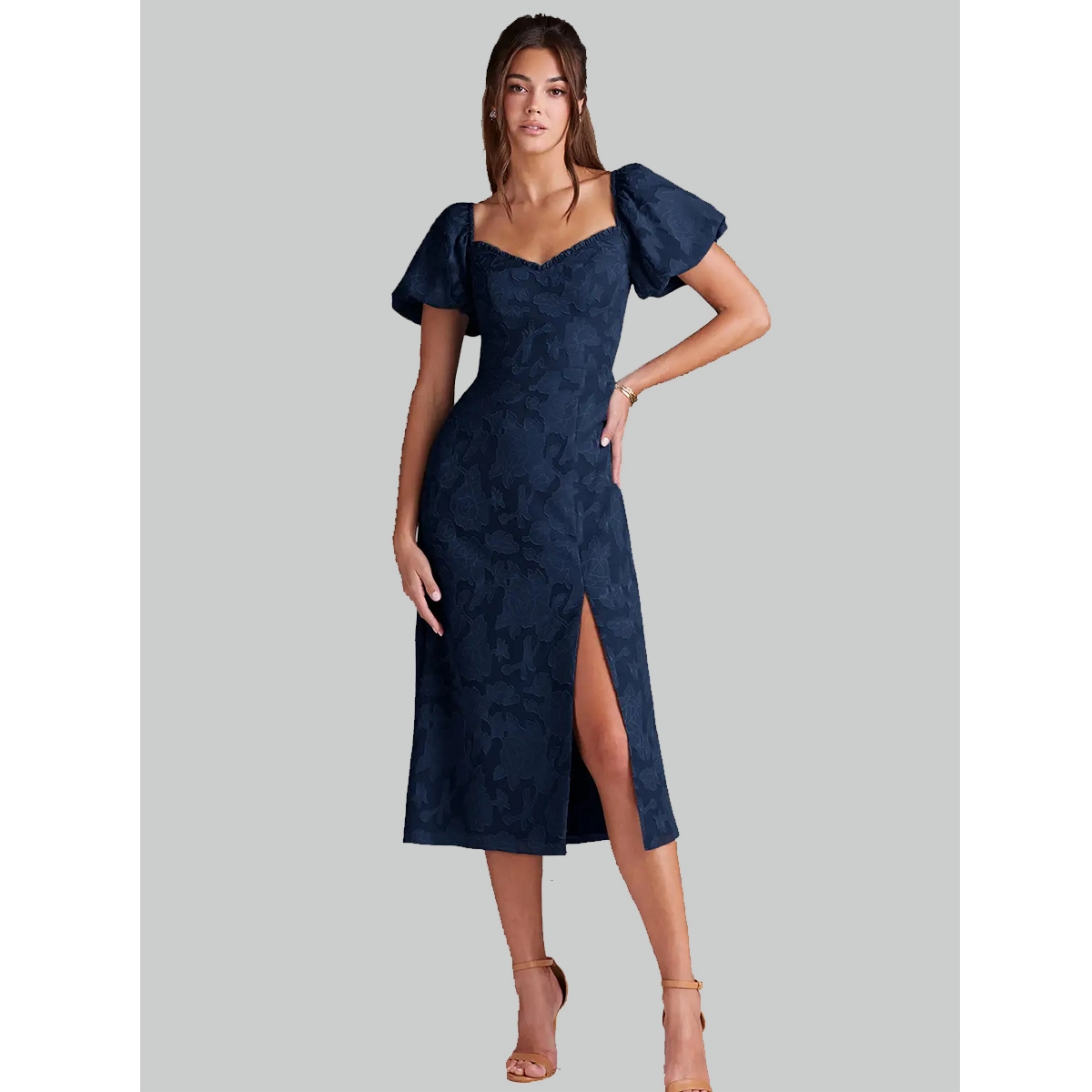
The volume of a puff sleeve comes from more than the amount of fabric. Gathering, sleeve-head height, armhole shape and cuff width have to work together or the sleeve can look either too heavy or too flat.
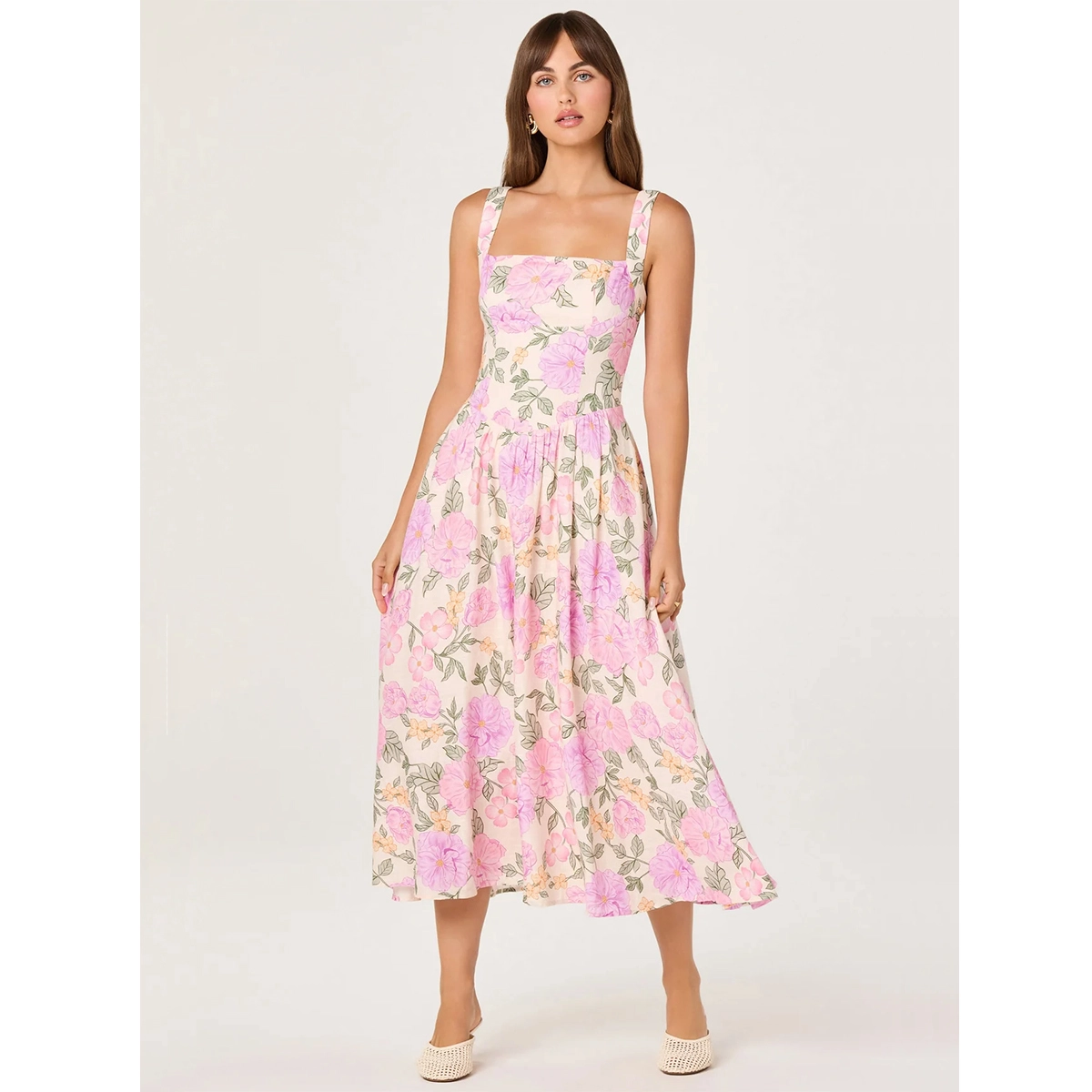
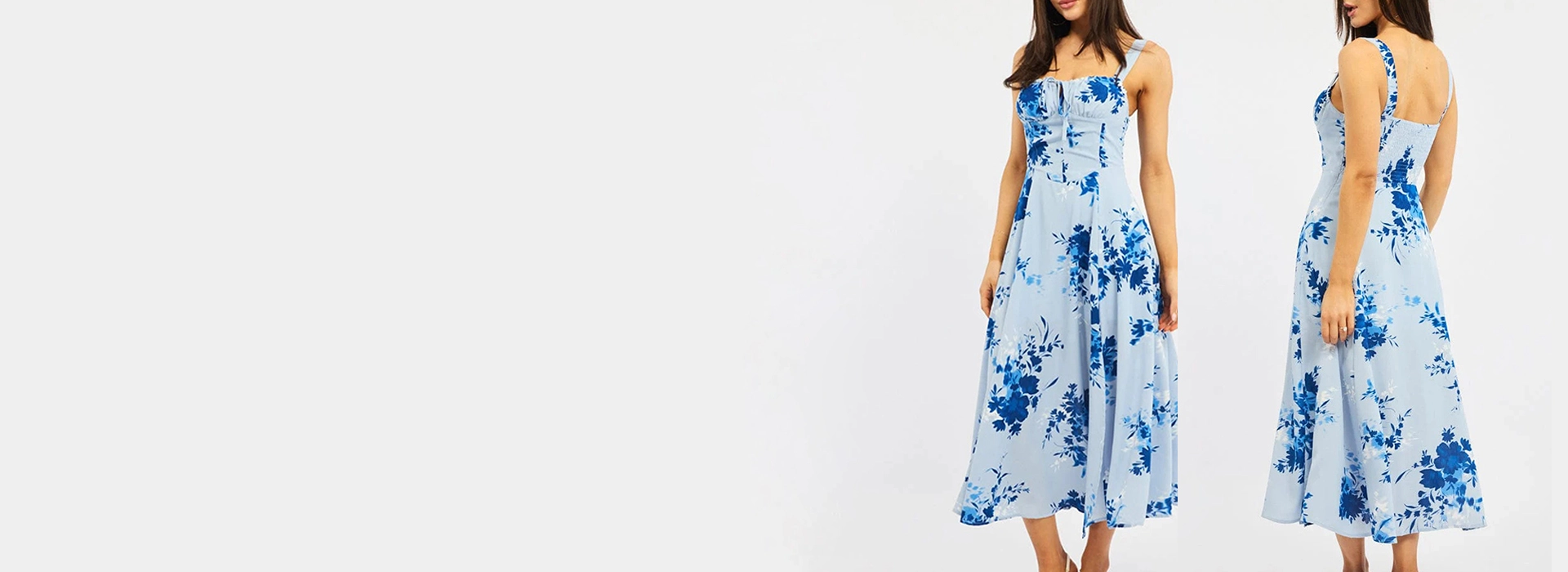
Large or directional floral prints can affect the cutting plan. Print placement, repeat and matching at selected seams may increase fabric usage, but can make a noticeable difference to the finished garment.
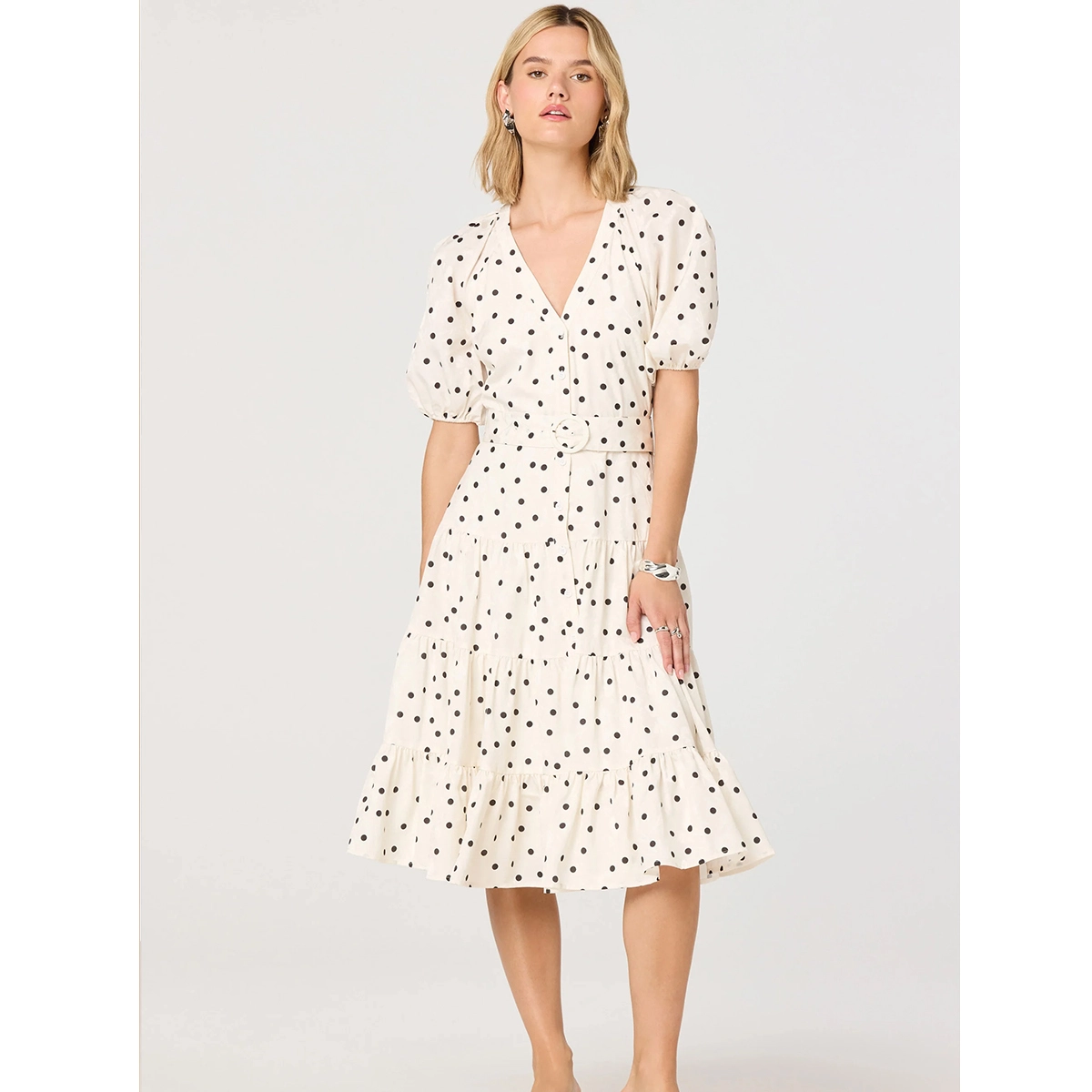
Tier width and gathering ratio have a direct effect on skirt fullness. These proportions are much easier to judge on an actual sample, especially when the fabric has a lot of movement.
More Midi Dress Styles We Manufacture
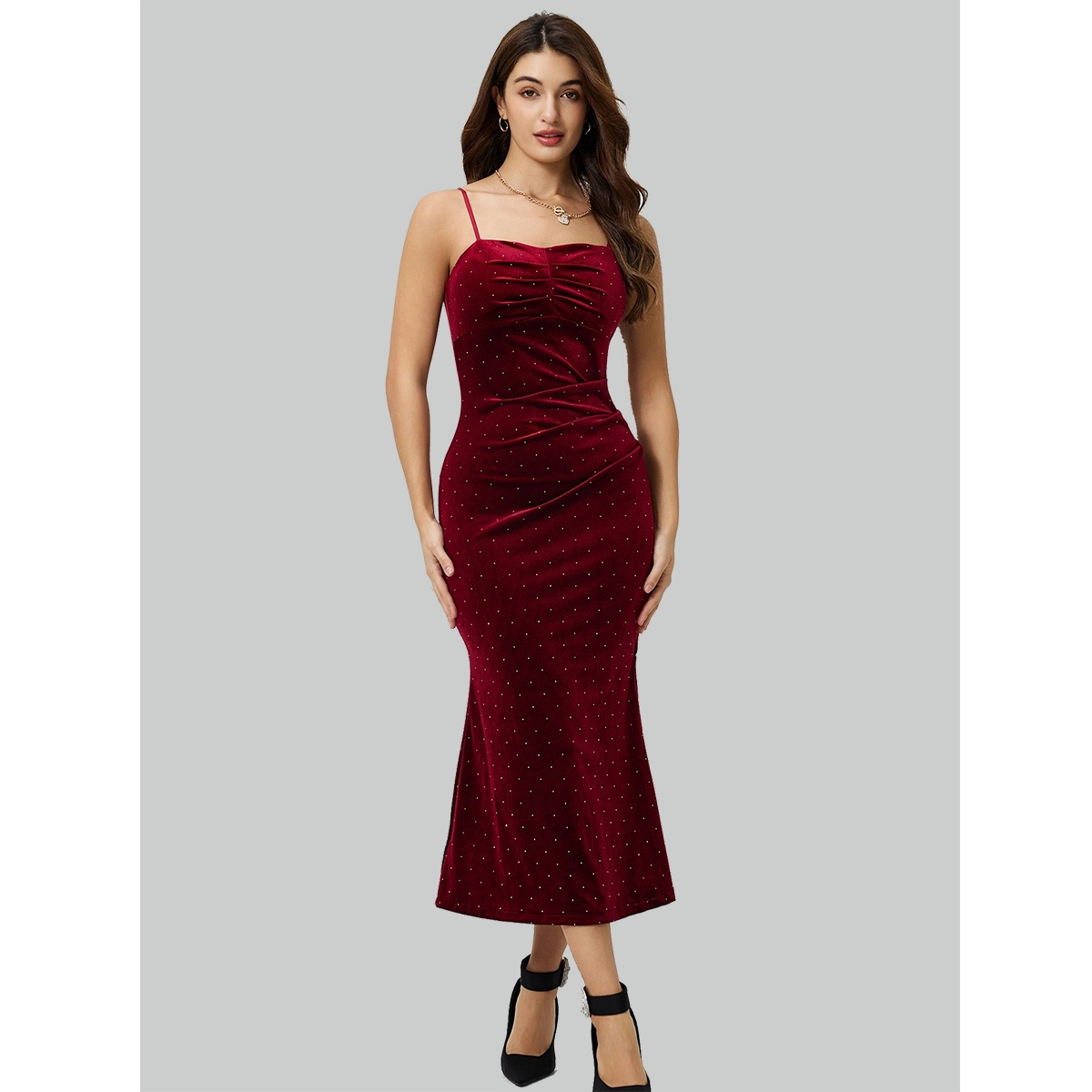
Velvet has a pile direction that needs to be respected across the garment panels. Cutting all pieces consistently is important for keeping the surface and shade looking even, and it can also increase fabric consumption.
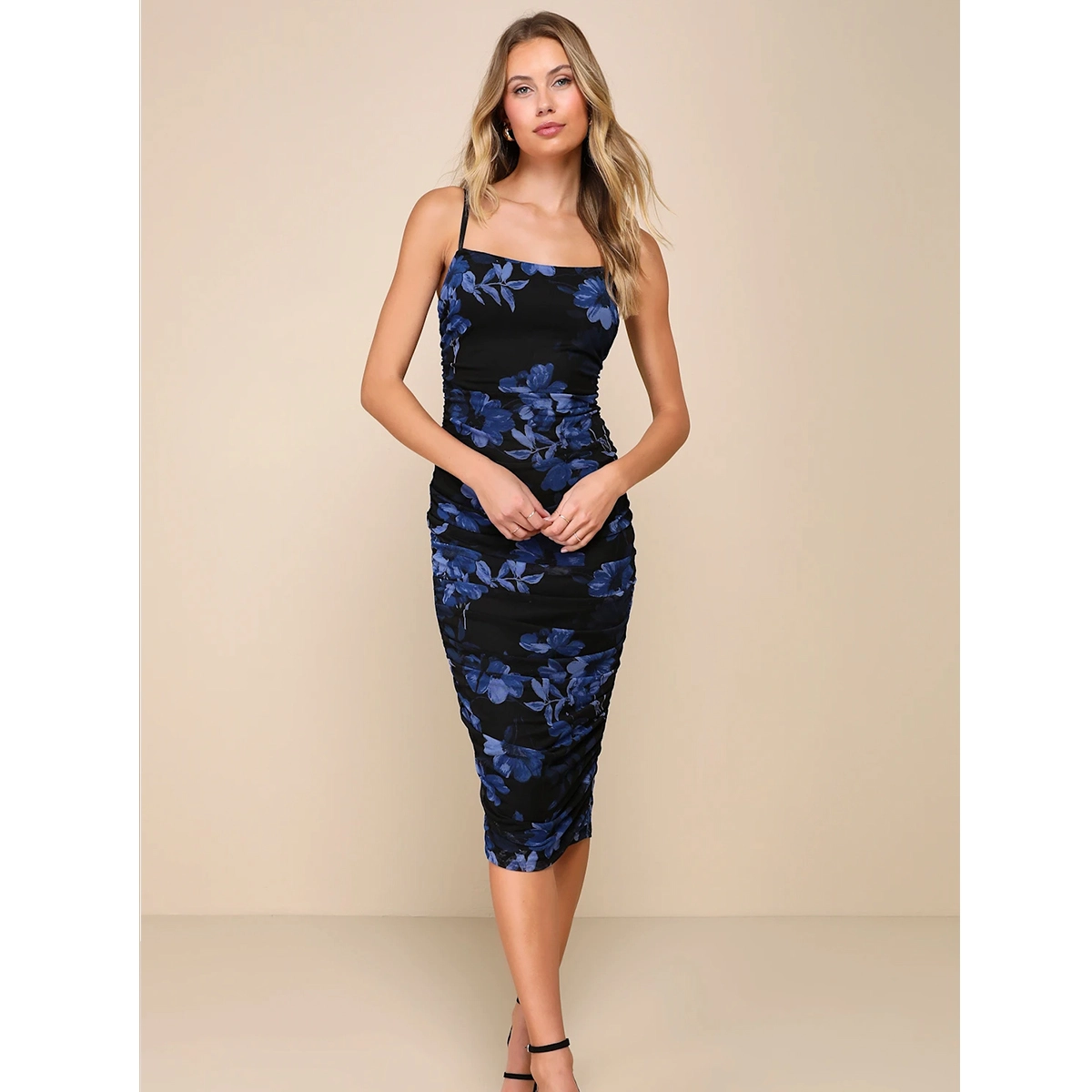
Cocktail styles often bring several details together—fitted bodices, satin, lace, sequins or shaped waistlines, for example. We pay attention to how those details affect construction, cost and the overall finish rather than treating them as separate elements.
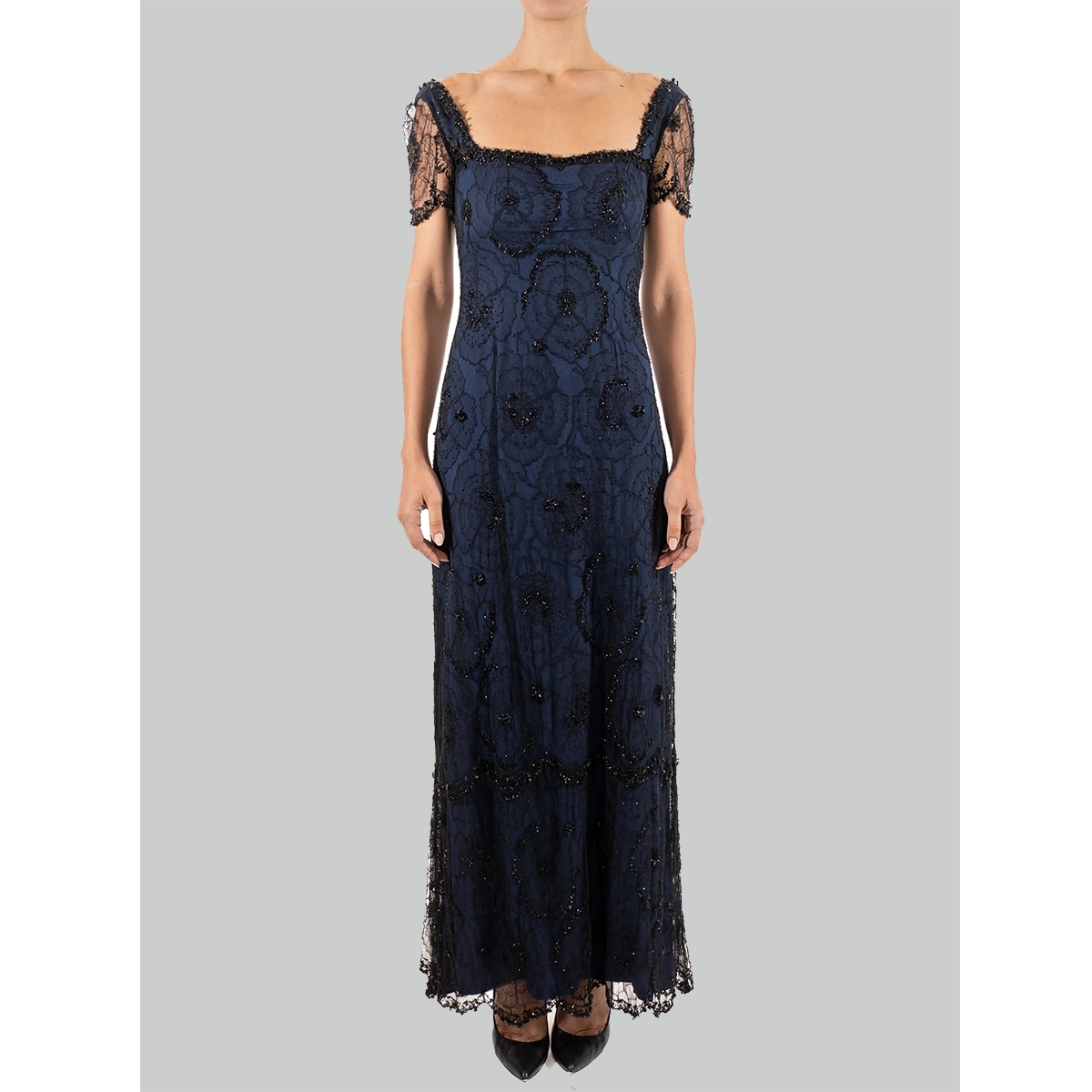
For evening styles, the fabric and finishing are often just as important as the pattern. Satin, silk, velvet, chiffon and lace each require different handling around seams, lining, closures and pressing.
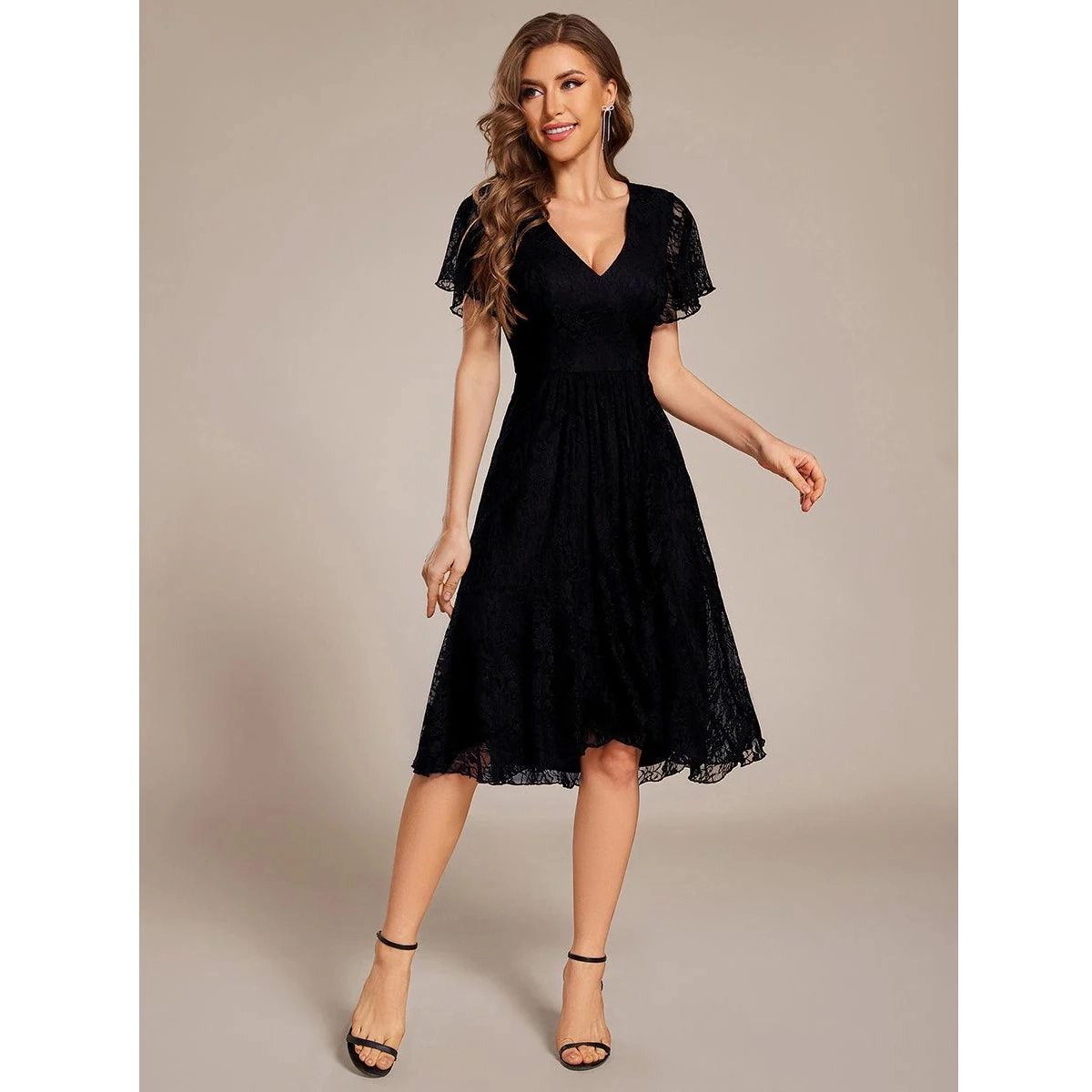
Wedding guest styles often sit between everyday wear and occasionwear. Floral prints, chiffon, satin, lace and defined waistlines are common, and the fabric choice can change the character of the same design quite noticeably.
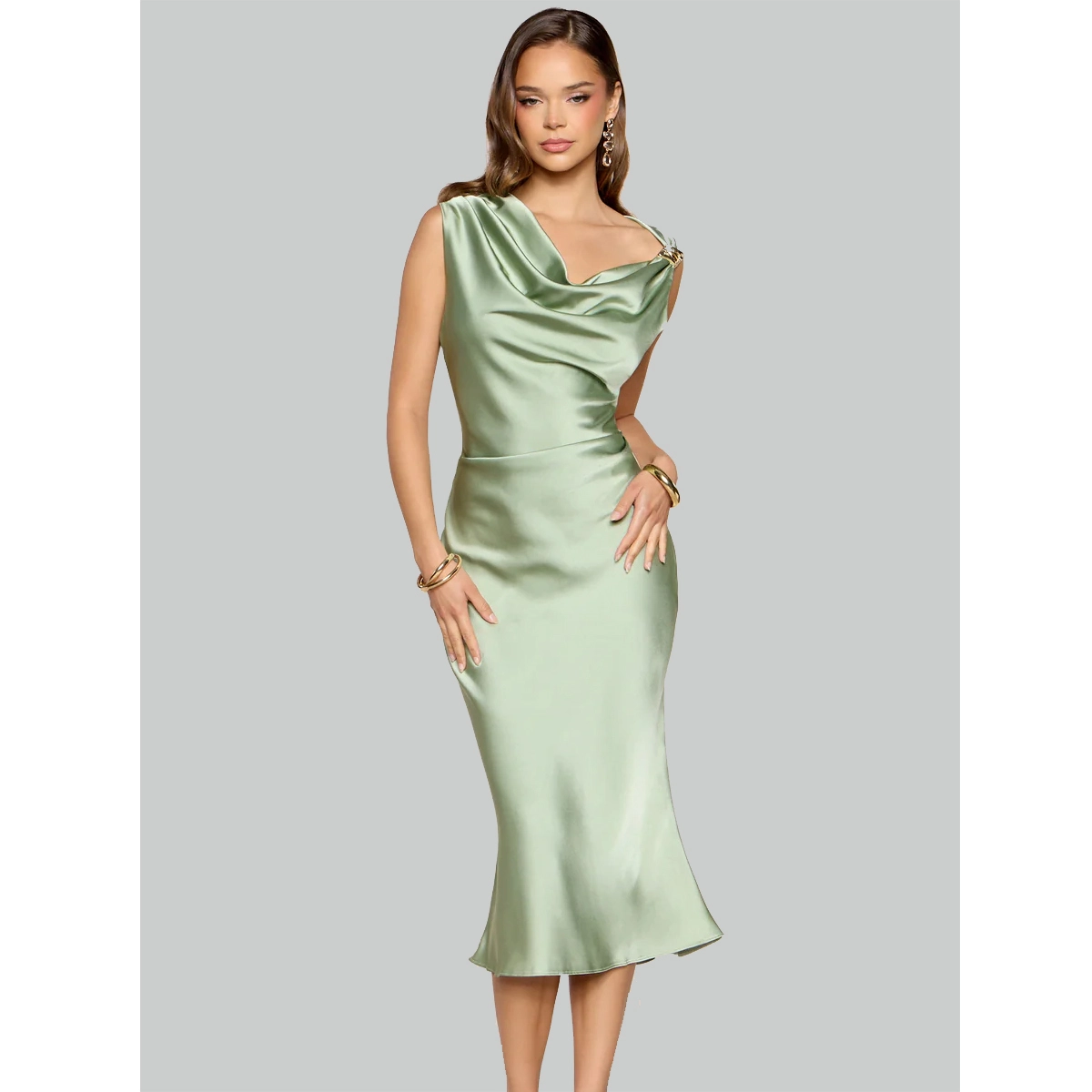
Occasion midi dresses can range from relatively simple fitted shapes to styles with draping, pleats or statement sleeves. We can develop them from a sketch, tech pack, reference garment or existing sample, then work through the construction details during sampling.
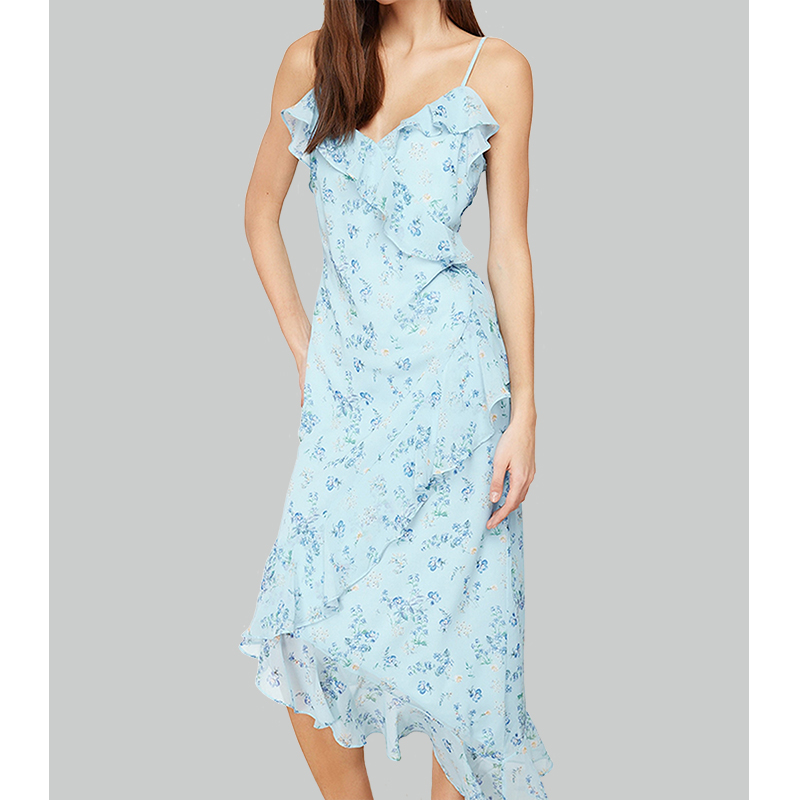
Chiffon can shift during cutting and requires careful handling through sewing and hemming. Lining, seam finishing and the stability of the fabric are usually decided together during development.
Private Label Midi Dress Manufacturer
Private label orders can include your own garment labels, hangtags and packaging. We work from your existing artwork and packing specifications, or confirm the requirements with you before bulk production.
This can include:
- Woven neck labels
- Care labels
- Size labels
- Hangtags
- Heat-transfer logos
- Branded garment bags
- Custom packaging
You can send the logo files and packaging details together with the garment specifications.
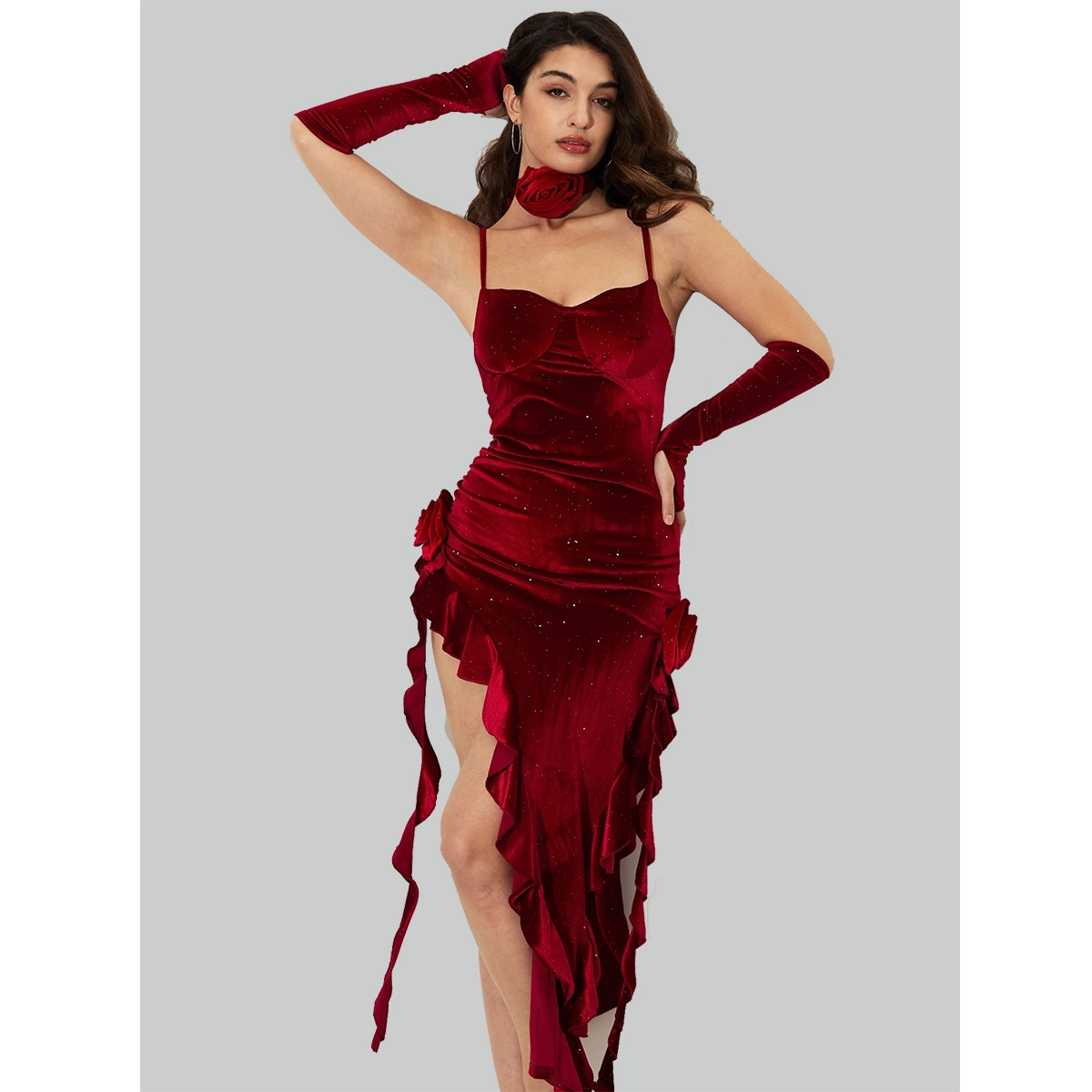
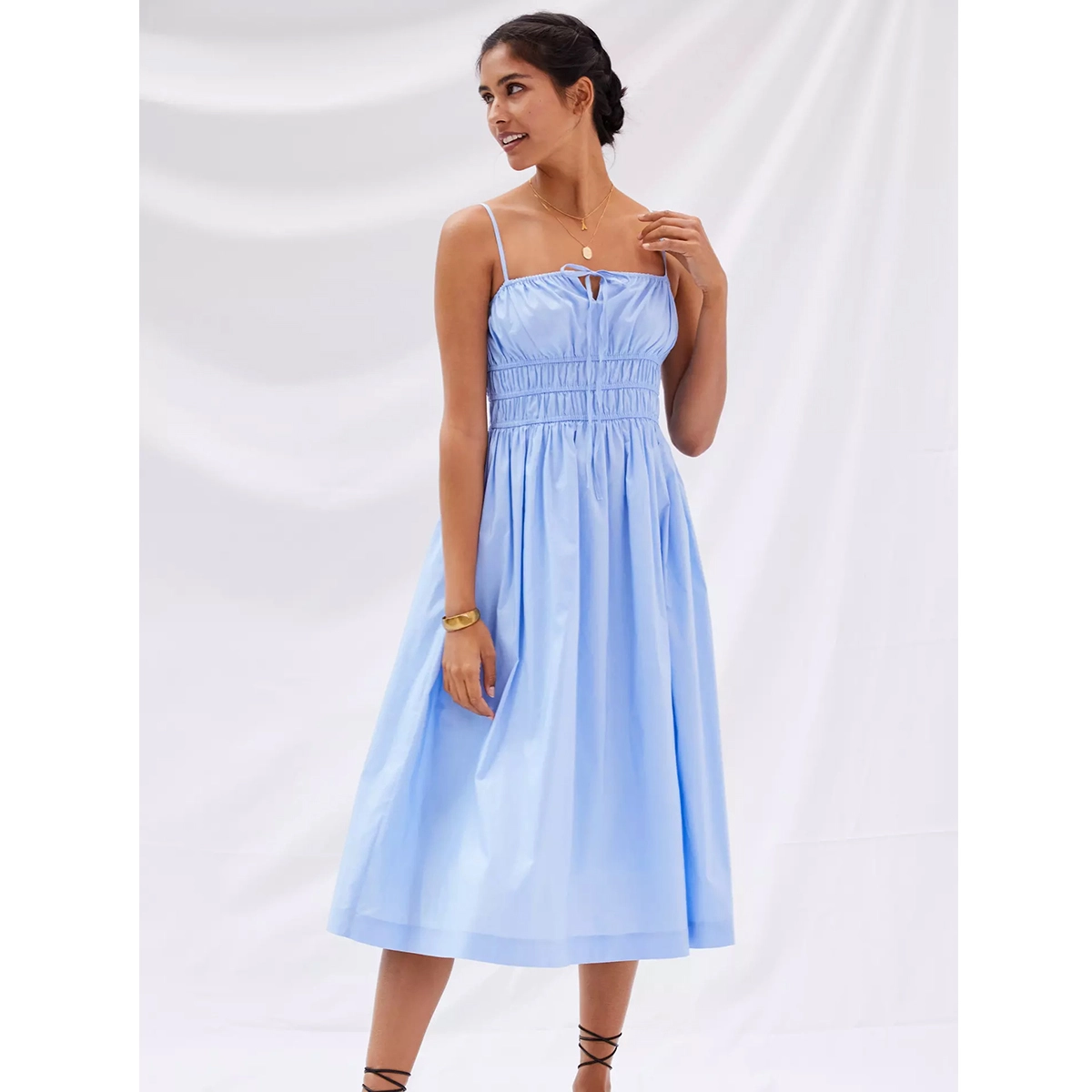
Low MOQ Midi Dress Manufacturing for New Brands
If you are launching your first collection, you may not want to commit to a large quantity before testing the product.
Our usual starting MOQ is around 50–100 pieces per style/color, although the actual MOQ can vary with the fabric, construction and order requirements.
This MOQ is often suitable for brands testing a new style, launching a small collection or ordering several colors without putting too much stock into one design. If a style performs well, repeat production can be arranged from the approved sample.
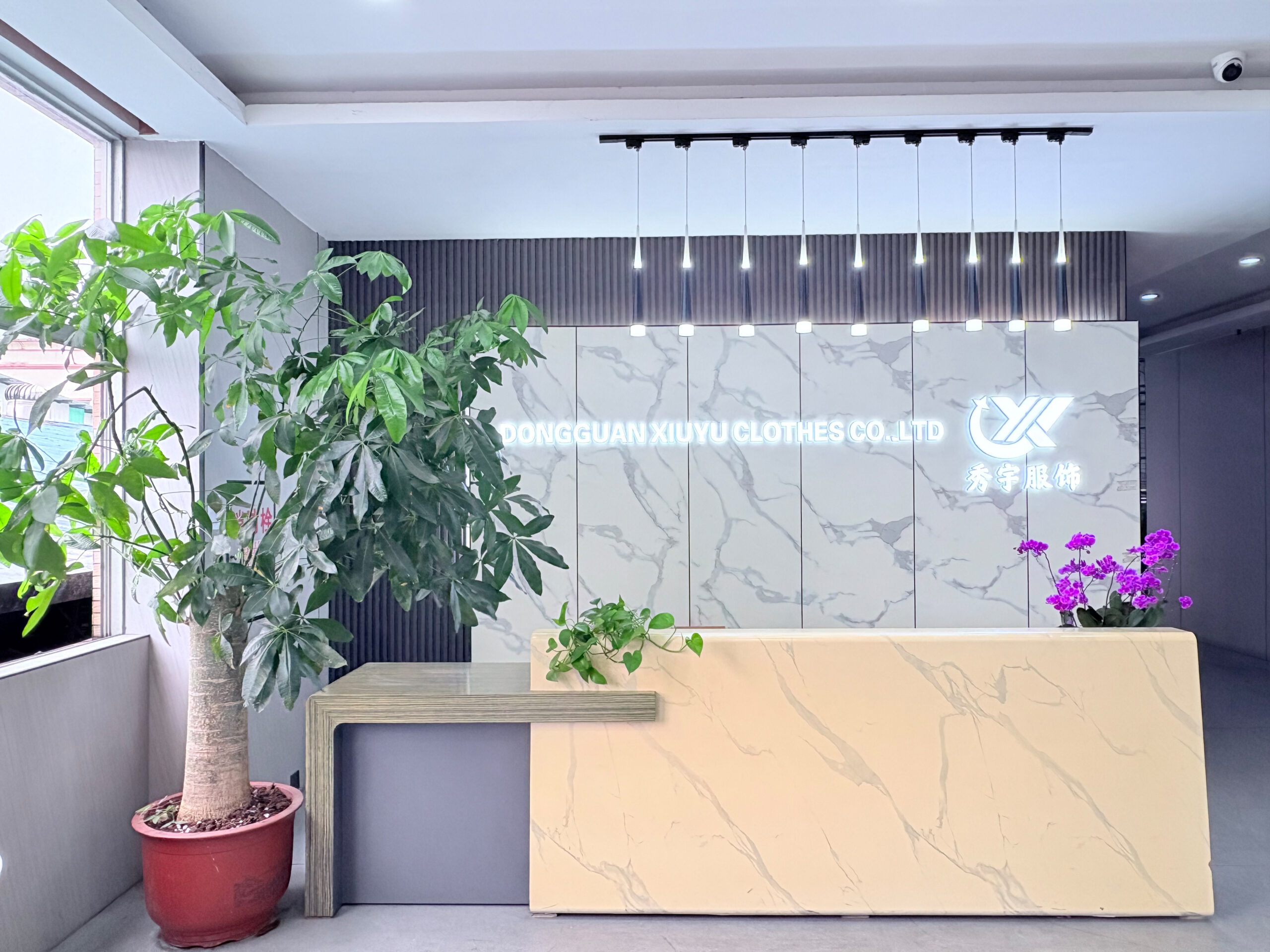
What You Can Customize for Your Midi Dress Collection
Your midi dress can be developed from an existing style, a reference sample, or a new design. The amount of customization depends on the fabric, construction and target price, so we usually confirm the main details before making the first sample.
Design Details
The overall look can be adjusted around your target silhouette, including:
- Neckline shape
- Sleeve style and volume
- Dress length
- Waist position
- Skirt shape
- Back opening or back detail
- Side or front slits
- Cut-outs
- Draping
- Gathers
- Ruffles
- Pleats
- Pockets
- Waistbands
- Straps
Small changes are often noticeable in the finished dress. For example, moving the waistline or changing the amount of gathering can affect both the proportions and fabric consumption.
Construction Details
Construction is developed according to the style and fabric rather than using the same method for every dress. Lightweight or slippery fabrics usually need more attention during sampling because seams, lining and support can change the final fit.
Depending on the style, construction can include full or partial lining, invisible zippers, buttons, elastic, boning, interfacing and different seam or hem finishes.
Surface Details
If your design includes additional decoration, we can develop the placement and construction around the garment.
Options include:
- Embroidery
- Screen printing
- Digital printing
- Appliqué
- Beading
- Sequins
- Pleating
- Custom trims
The decoration method also depends on the fabric. Some materials need backing or extra support before embroidery, beading or appliqué can be added.
Branding & Packaging
Your own branding can be added to the garment and packing, including:
- Woven or printed neck labels
- Care labels
- Size labels
- Hangtags
- Heat-transfer logos
- Branded garment bags
- Custom packing
We can follow your existing label artwork and packaging instructions, or work from simple specifications if your brand is still being developed.
Related Dress Manufacturing Services
If your collection includes other dress lengths, fabrics or silhouettes, you can also explore our related manufacturing services:
- Maxi Dress Manufacturer
- Mini Dress Manufacturer
- Silk Dress Manufacturer
- Slip Dress Manufacturer
- Velvet Dress Manufacturer
- Bodycon Dress Manufacturer
- Cocktail Dress Manufacturer
- A-Line Dress Manufacturer
Explore our other dress manufacturing services for different lengths, silhouettes and fabric types.
What You Can Send Us for a Midi Dress Quote
You do not need a finished tech pack to ask for a quote.
If you are still developing the collection, send us whatever you have at this stage. A sketch, product photo or reference sample is enough for us to start looking at the construction and fabric requirements.
Useful information includes:
- Sketch or technical drawing
- Tech pack, if available
- Reference sample or product photo
- Fabric swatch or fabric specification
- Estimated order quantity
- Size range
- Required colors
- Target price
- Label and branding requirements
- Packaging details
- Expected delivery date
With the main details in place, we can estimate fabric usage, construction, sampling and production cost more accurately.
If some details are not decided yet, that is fine. Send the design first. We can review the main production points and let you know which details need to be confirmed before sampling or bulk production.
Inside Our Midi Dress Manufacturing Factory
Once the PP sample is approved, the style moves into bulk production. The main production steps are:
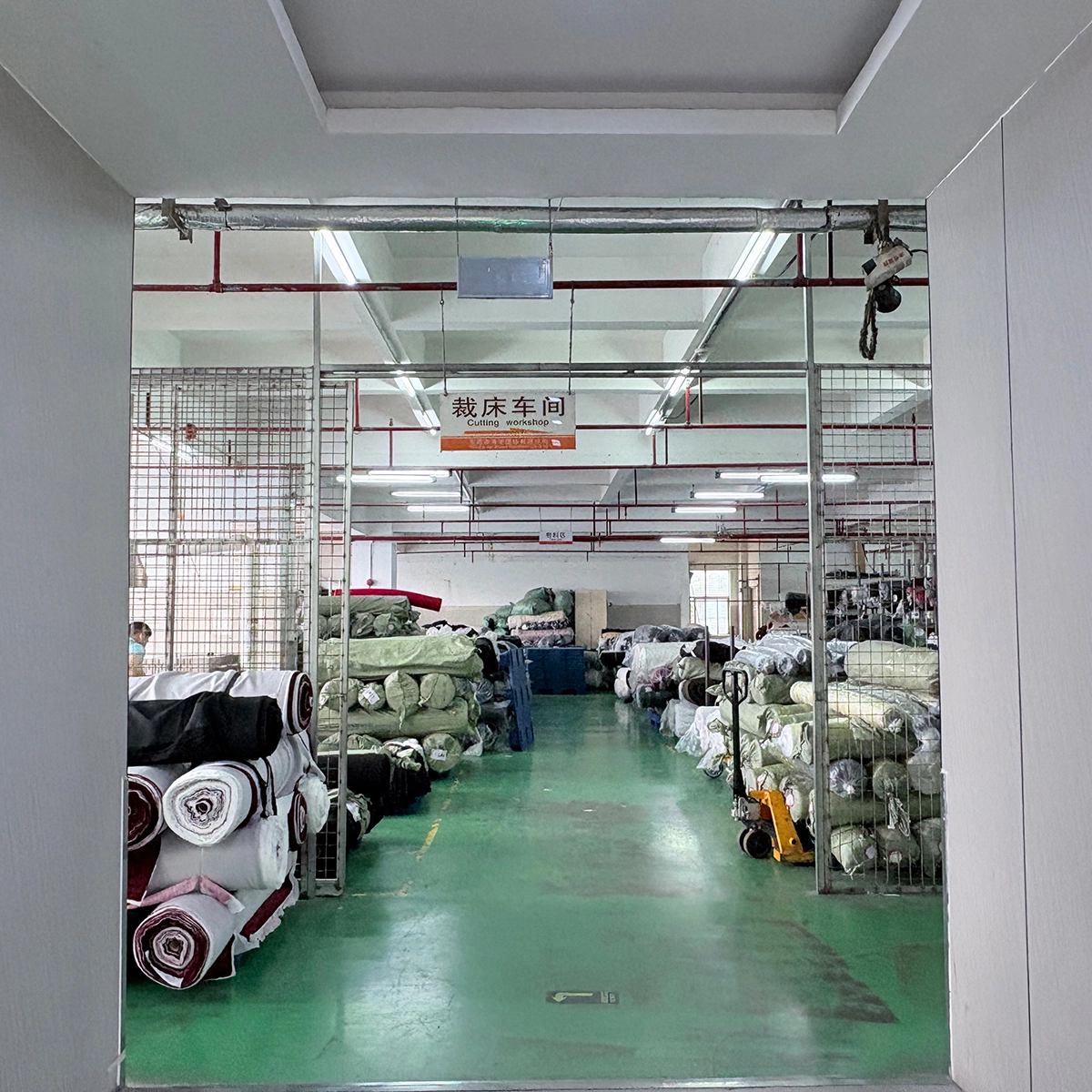
Fabric Warehouse
Fabric rolls are received, recorded and checked before production.
↓
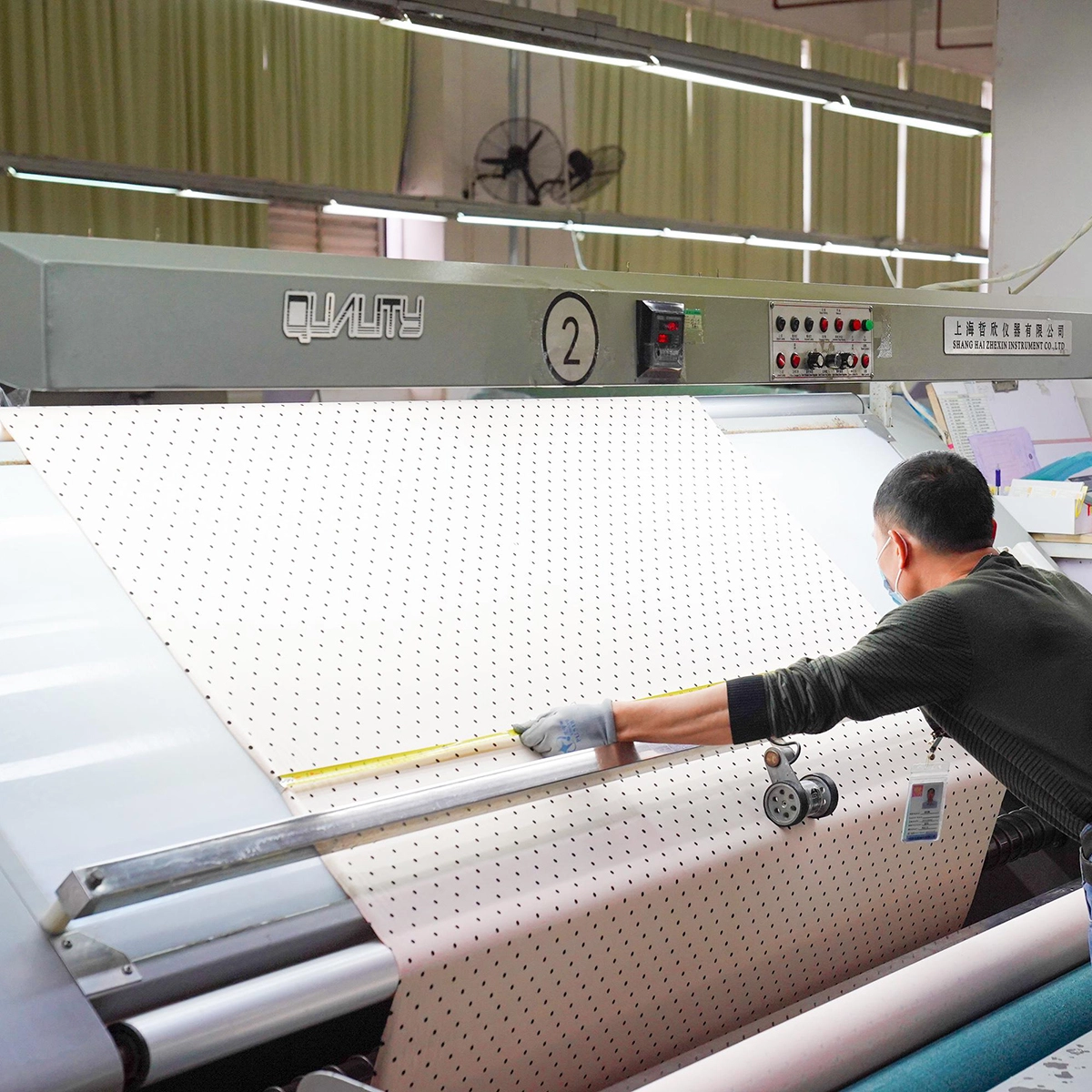
Fabric Inspection
Our QC team checks the fabric for visible defects, shade differences and other issues before it goes to cutting.
↓
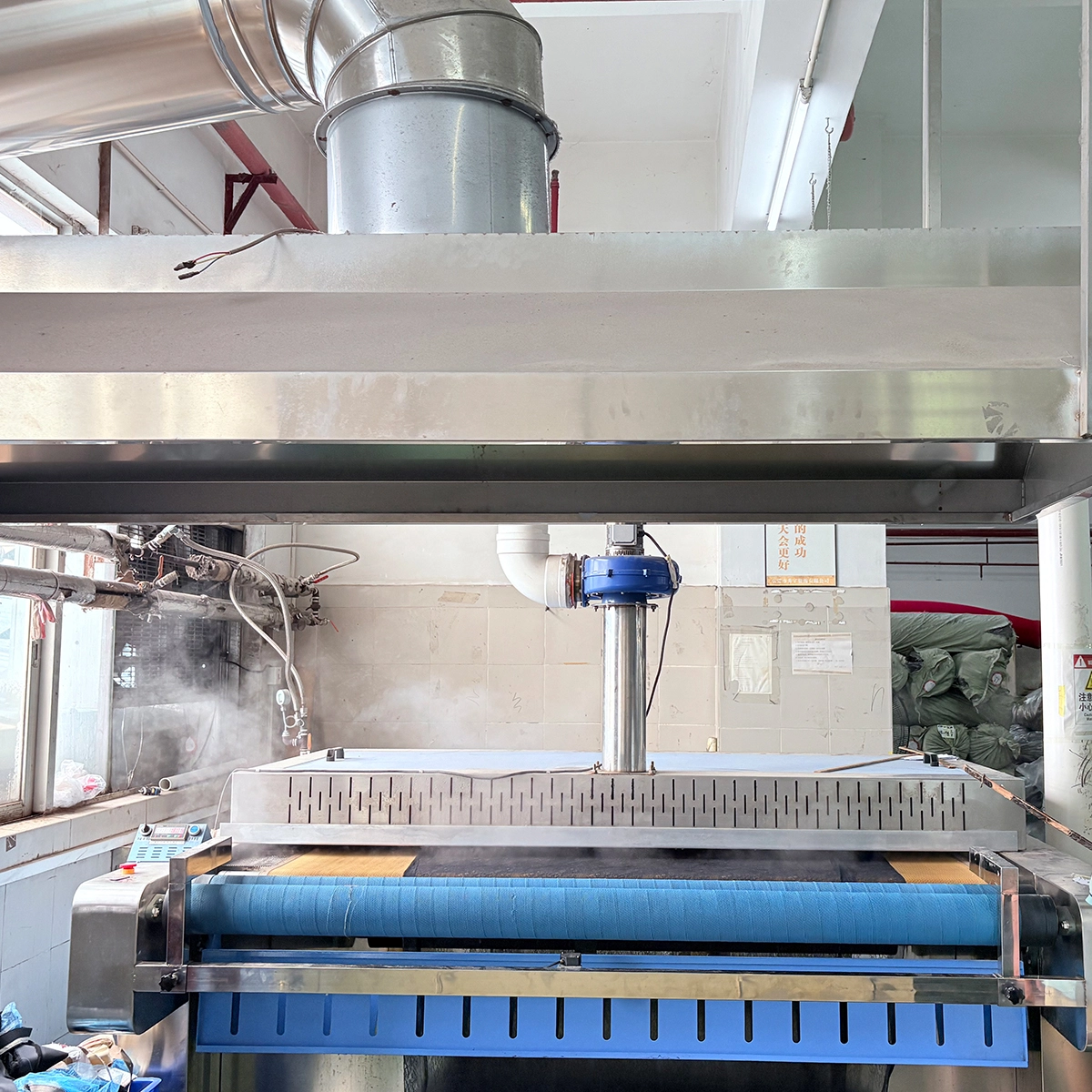
Fabric Pre-shrinking
Where required, fabric is pre-shrunk before cutting to help control dimensional changes.
↓
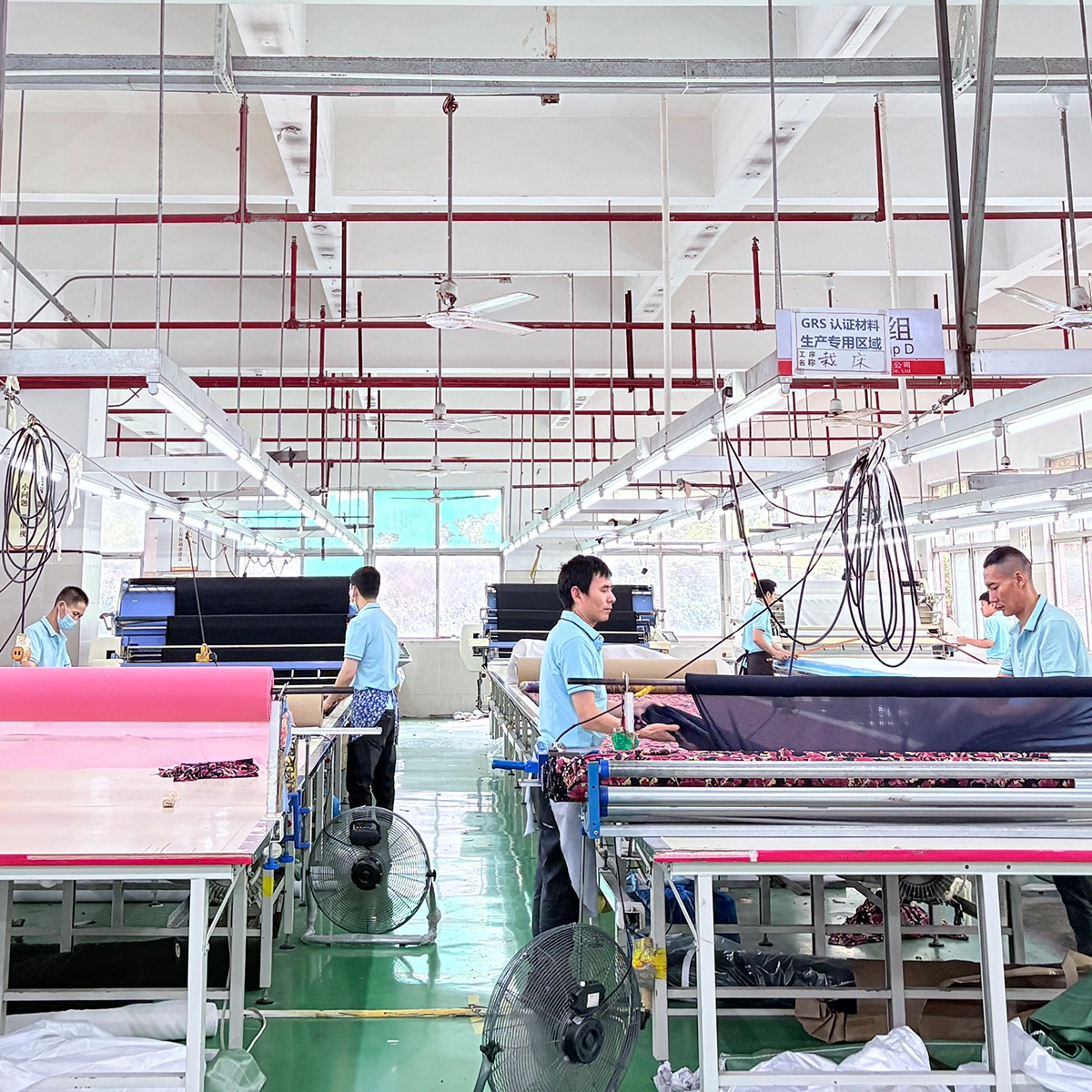
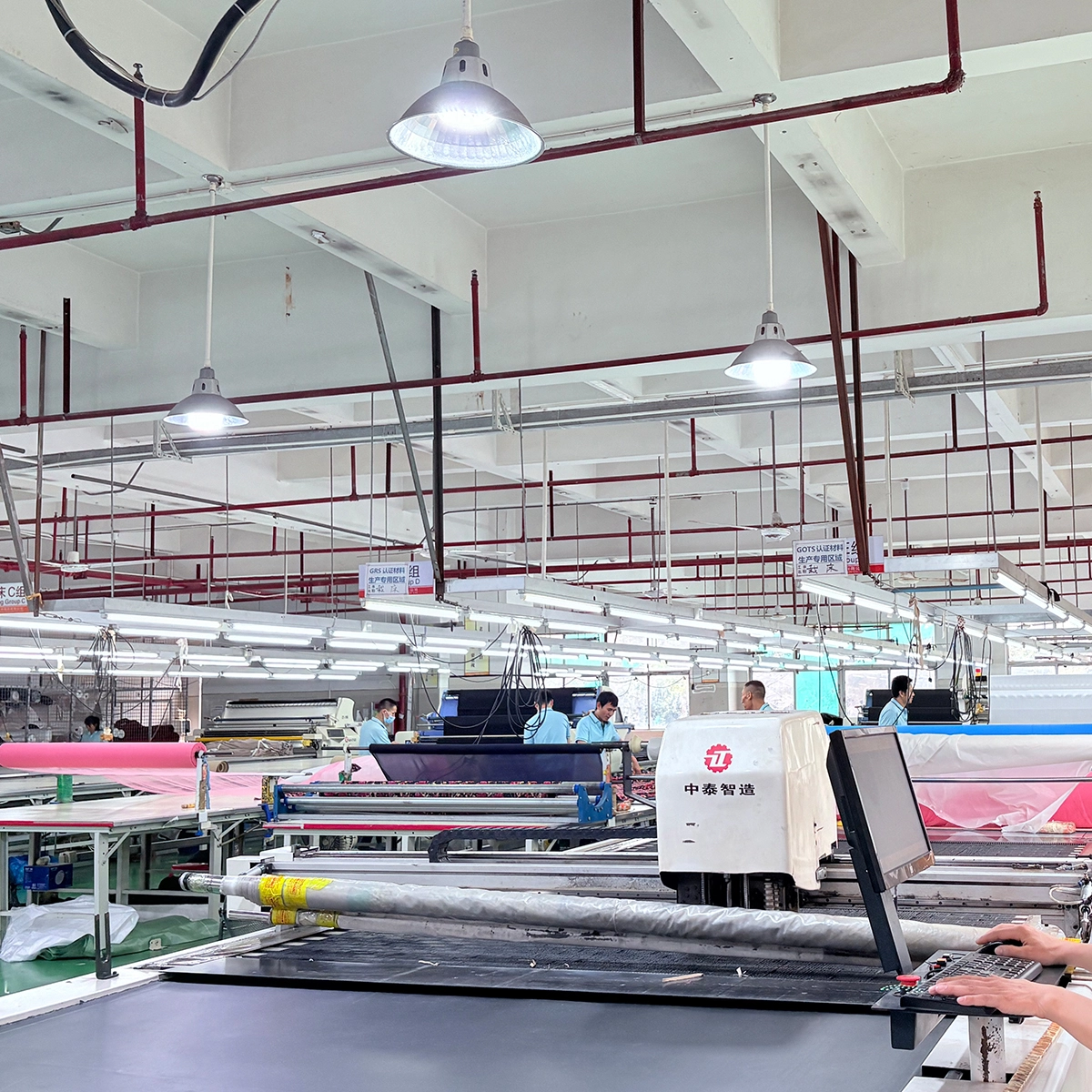
Automatic Cutting
Approved patterns and cutting markers are used to prepare the garment panels according to the production order.
↓
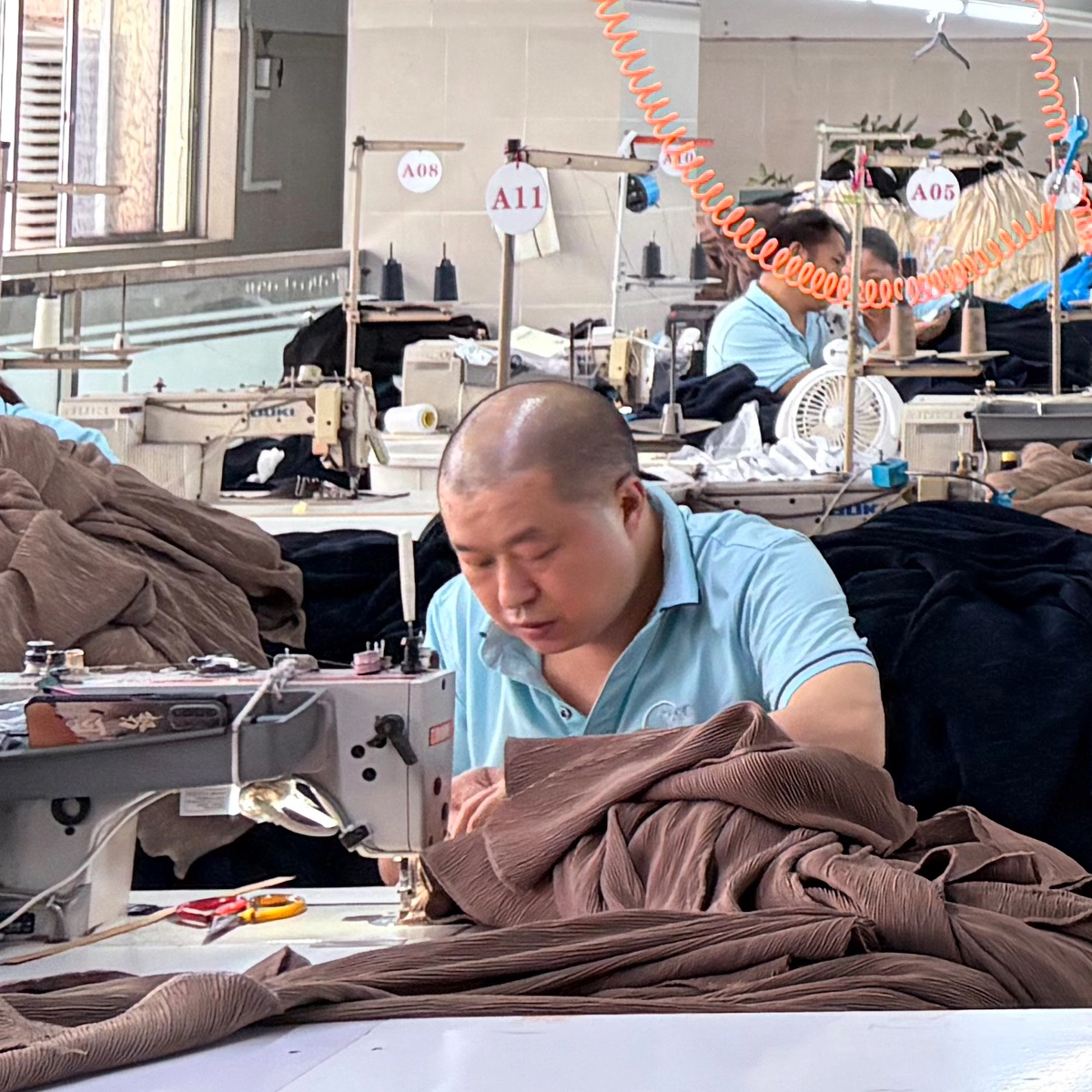
Sewing Workshop
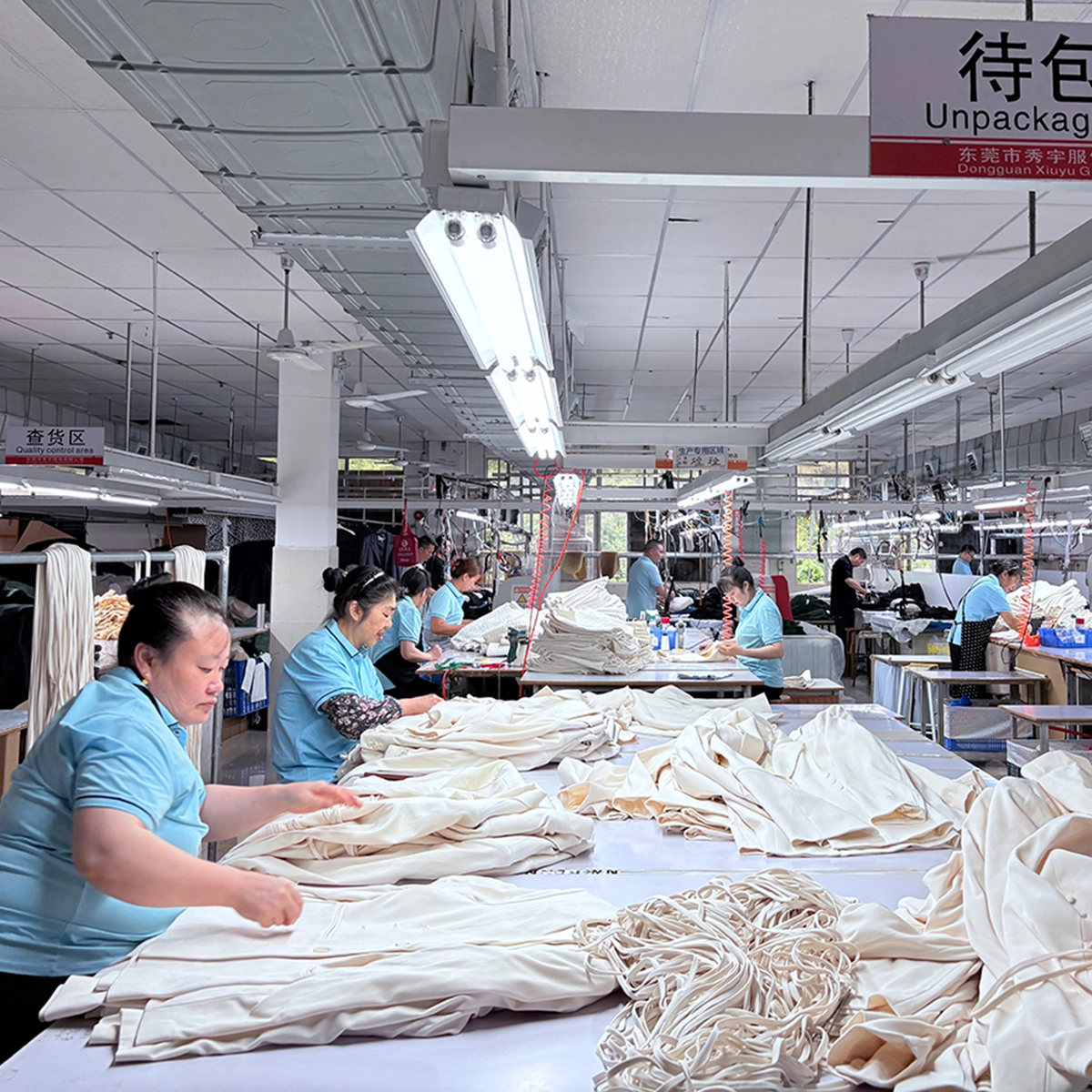
Experienced operators sew the garment according to the approved sample and construction requirements.
↓
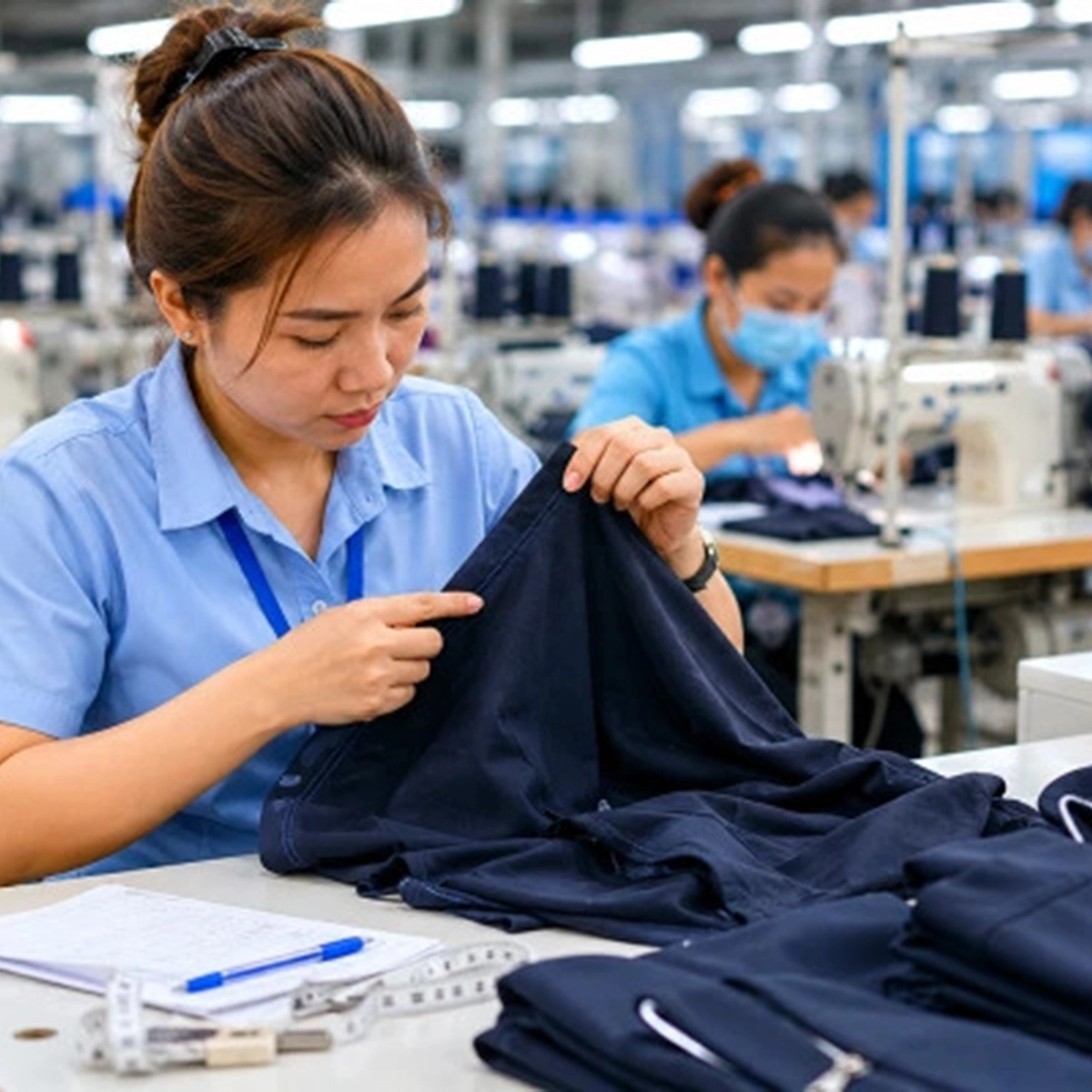
In-line Inspection
During sewing, QC checks the measurements, seams and construction against the approved sample.
↓
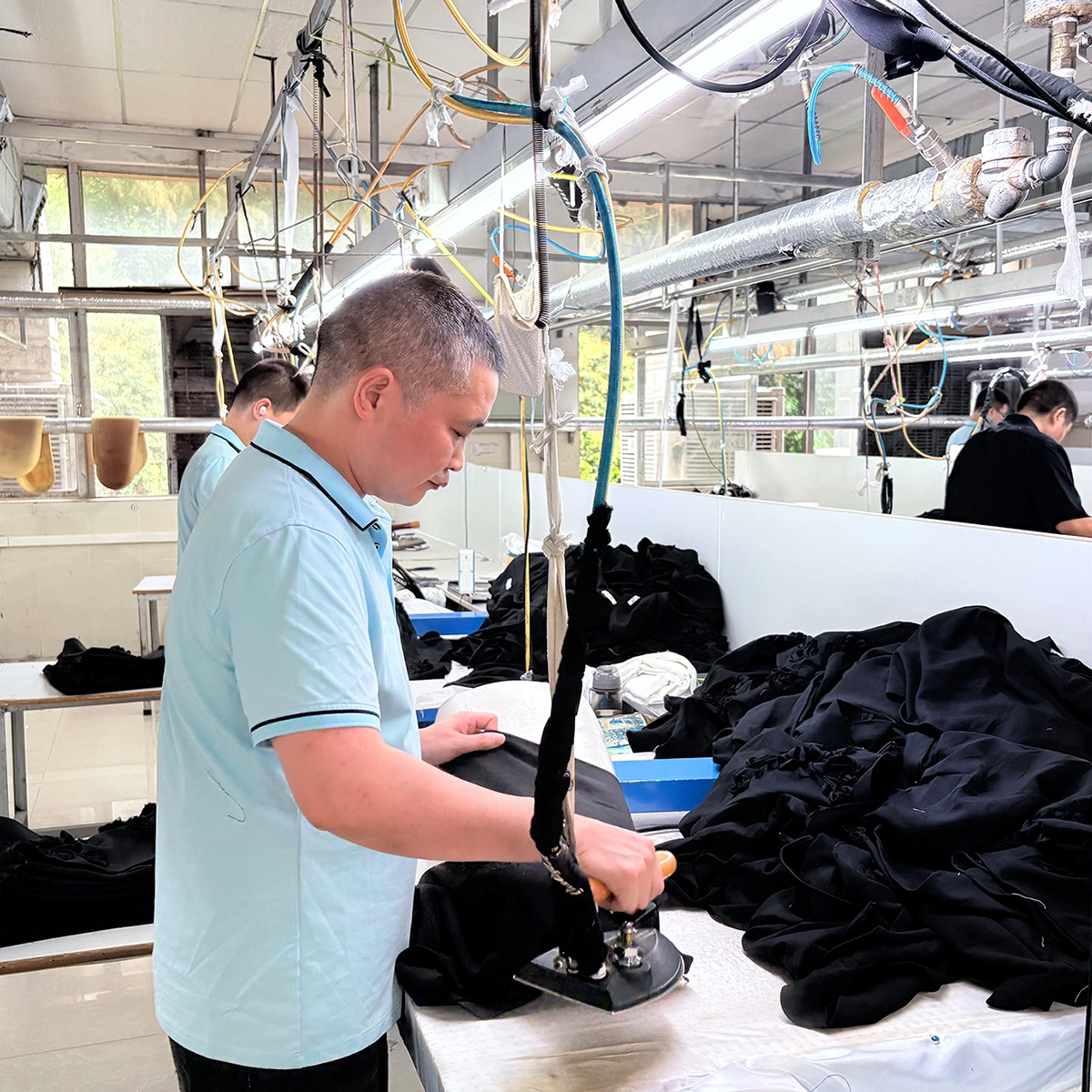
Final Pressing
The finished garment receives final pressing before inspection.
↓
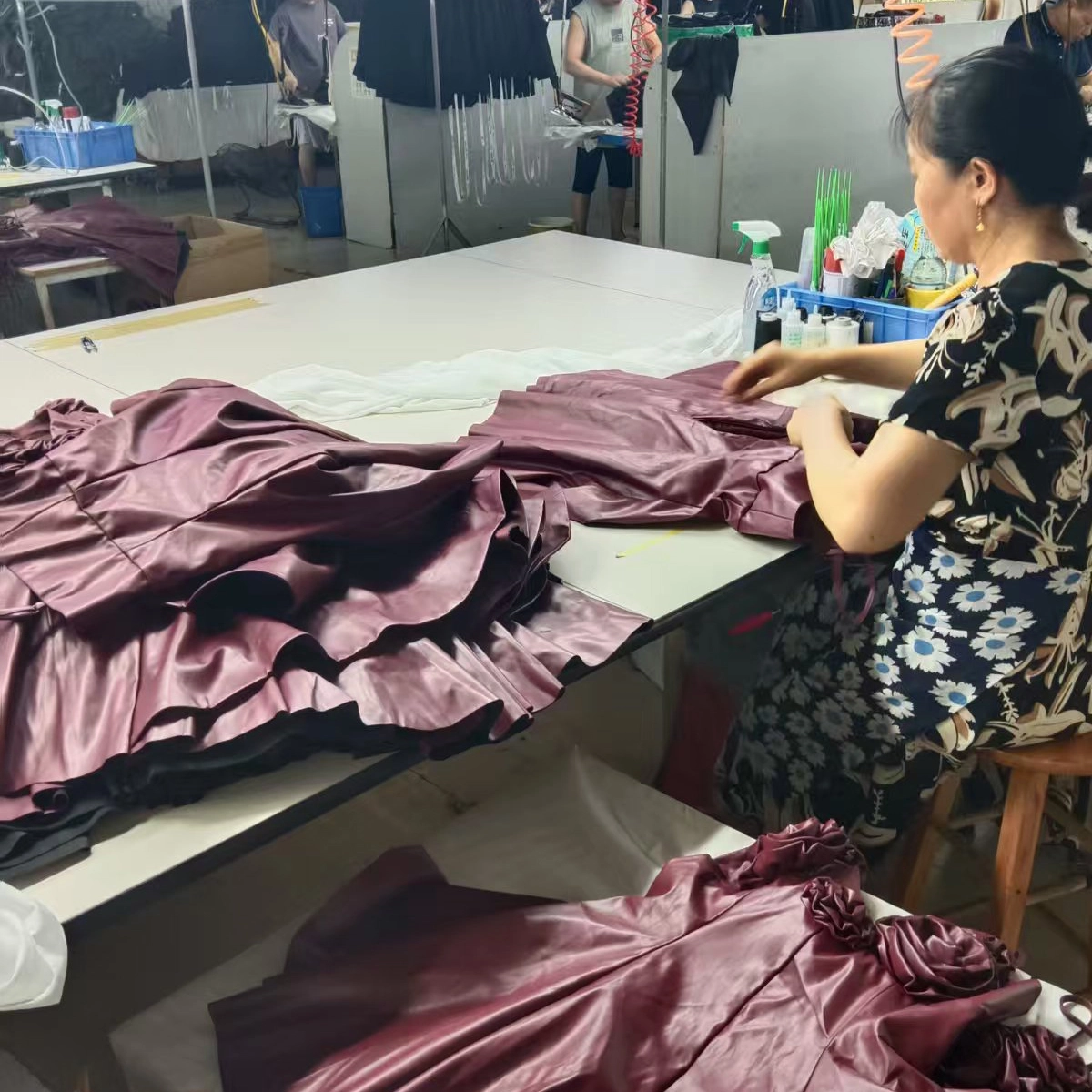
Final Inspection
Finished garments are checked for measurements, stitching, appearance, labels and packing requirements.
↓
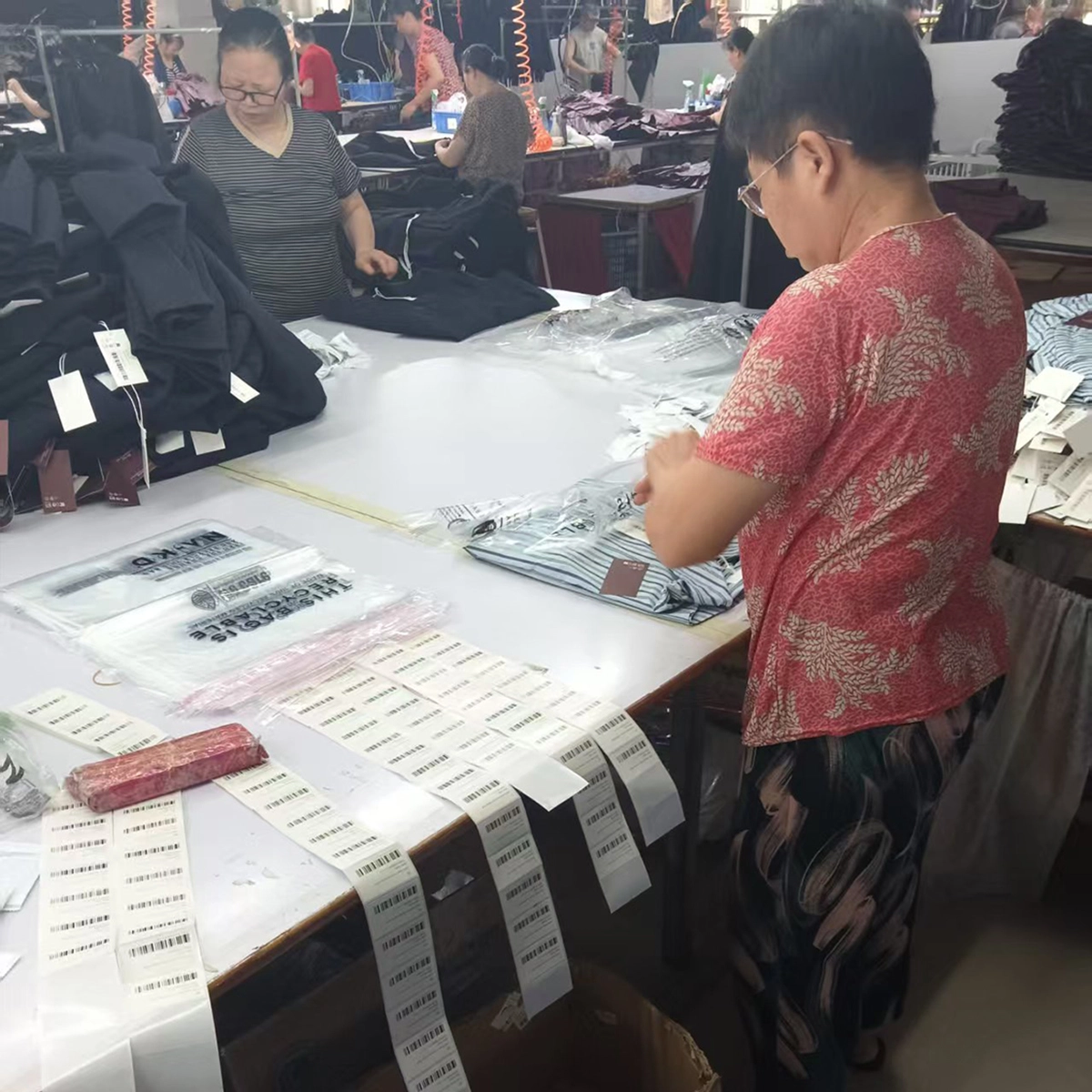
Garment Packing
Garments are folded, labeled and packed according to your order specifications.
↓
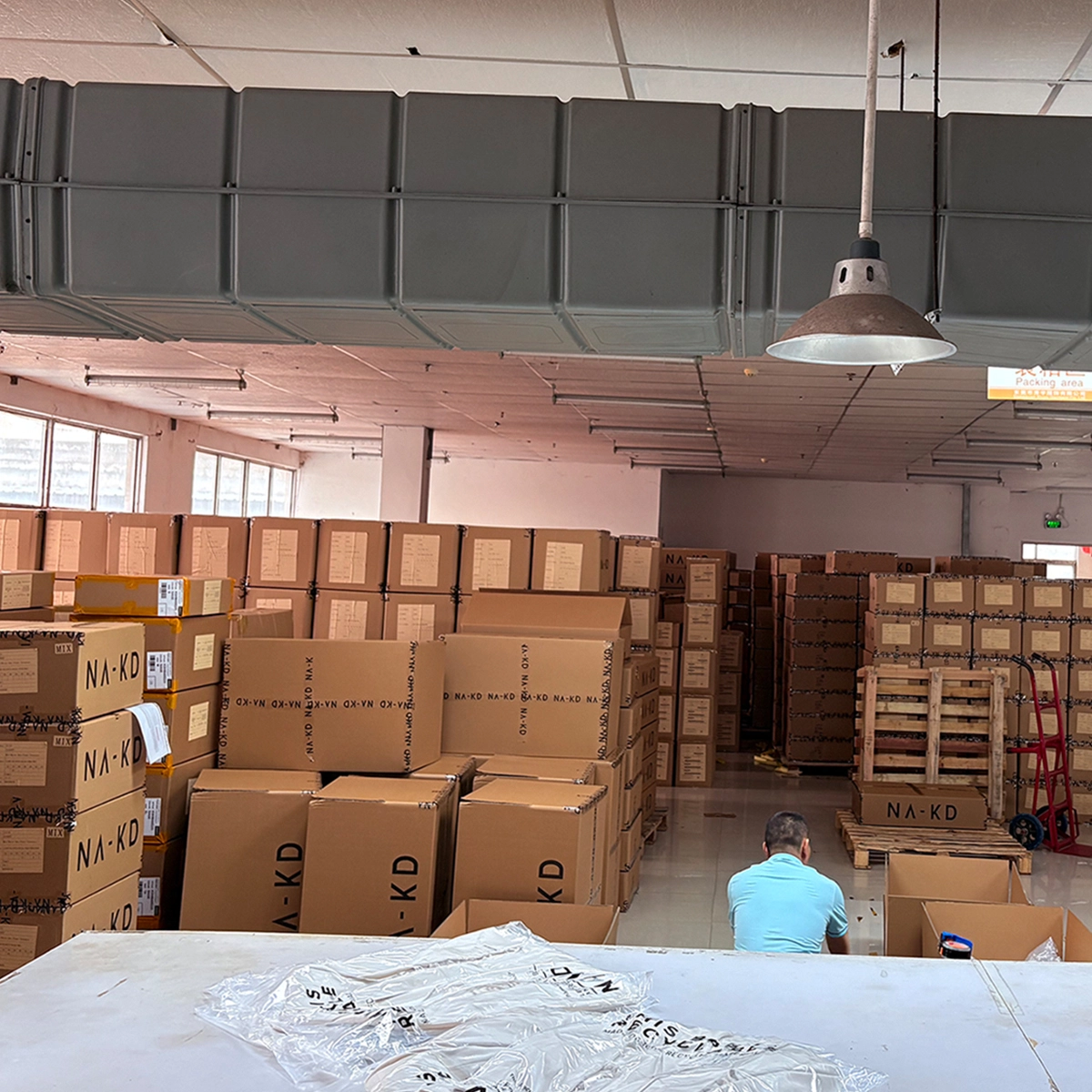
Finished Products
Our Midi Dress Development Process
Before bulk production, the style goes through fit and construction review. We address the main issues during sampling before the production pattern is finalized.
We go through your tech pack, measurements, construction notes, fabric details and trims before making the pattern. If something looks unclear or difficult to produce as specified, we raise it at this stage instead of waiting until the sample is finished.
You can send us your nominated fabric, or we can help source alternatives based on the required weight, drape, composition and finish. For a new style, the fabric choice is usually confirmed before pattern development because it can affect both fit and fabric consumption.
Once the main details are confirmed, our pattern team develops the pattern around your measurements and target silhouette. Details such as ease, seam allowance, neckline shape, sleeve construction and fabric behavior are considered during this stage.
The first sample shows the actual fit, proportion, drape and construction — points that are difficult to judge from measurements alone.
After you receive the sample, you can send us measurement changes, fit comments or construction notes. We normally work from your comments together with the sample itself, so the required changes can be identified more clearly.
We revise the pattern from the approved fit comments. Changes may include measurements, balance, seam positions, neckline or sleeve shape.
Once the main fit and construction details are approved, we make the PP sample. This sample is used as a production reference for the bulk order, including measurements, workmanship, fabric and key construction details.
What We Check During Midi Dress Production
A midi dress can look correct on a screen and still develop problems during production. Length, fit, waist position, skirt volume and fabric behavior are checked against the actual construction rather than the product image alone.
Midi length is not checked as an isolated measurement. We look at it together with the waist position, skirt shape and overall silhouette, since these can change how the finished dress looks on the body.
For fitted styles, we check the relationship between bust, waist and hip measurements.
For relaxed styles, we look more closely at ease and the way the fabric falls around the body.
Waist position is particularly important on A-line, empire-waist, fitted and tiered styles because a small change can alter the whole proportion.
Fabric weight and gathering ratio have a direct effect on skirt volume.
A tiered cotton dress and a tiered chiffon dress may use similar construction but produce very different results.
For puff, gathered or fitted sleeves, we check the sleeve fullness against the armhole. Too much volume can change the balance of the whole dress.
Seam appearance, puckering and hem consistency are checked according to the fabric being used.
For sheer, lightweight or occasion fabrics, the lining can affect both coverage and drape.
Zippers, buttons, hooks, elastic, labels and decorative trims are checked against the approved requirements.
More Midi Dress Styles Available For OEM & ODM Production
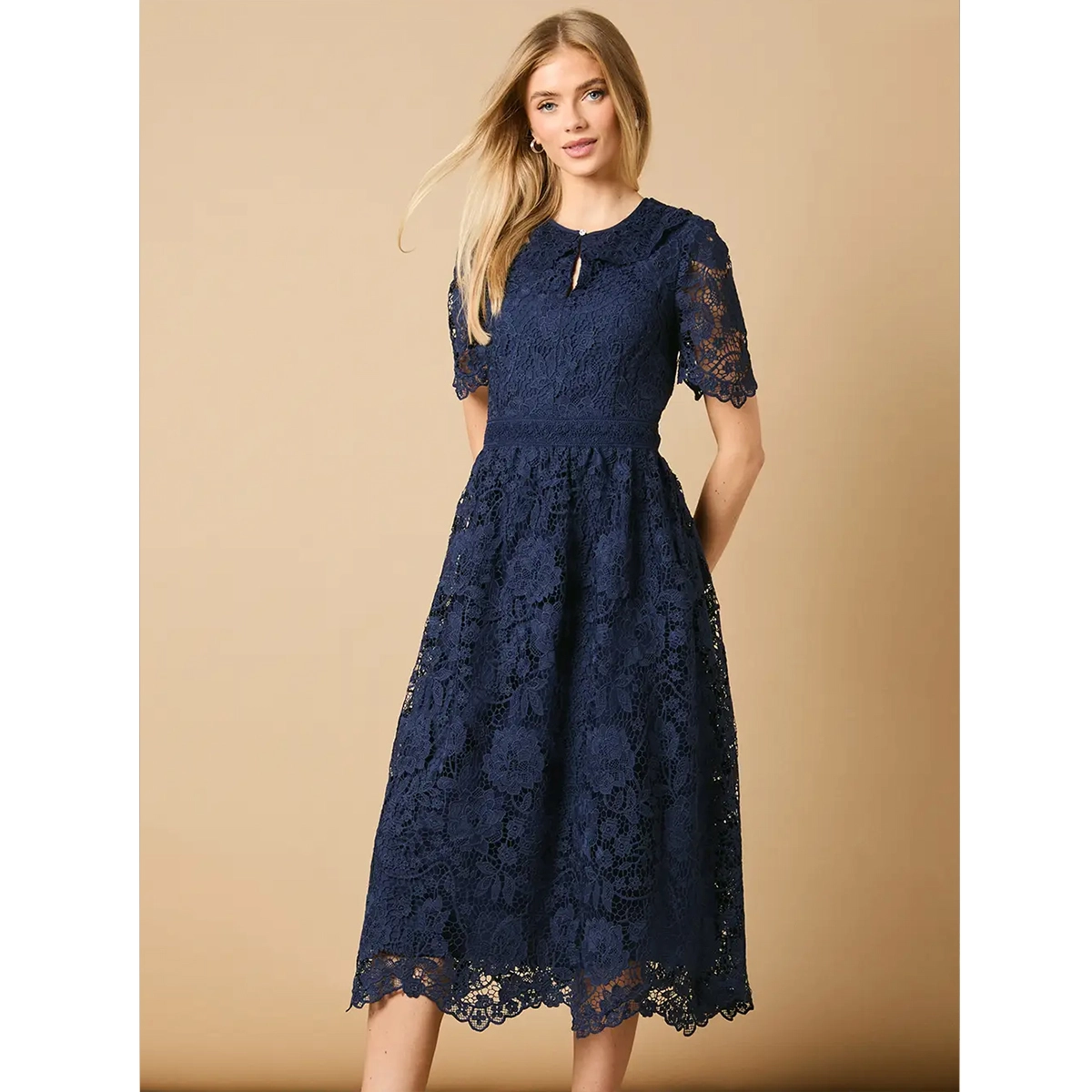
Lace Midi Dress
Lace brings cutting considerations that do not apply to ordinary woven fabrics. Width, repeat and scalloped edges need to be considered together with areas that require lining or transparency.
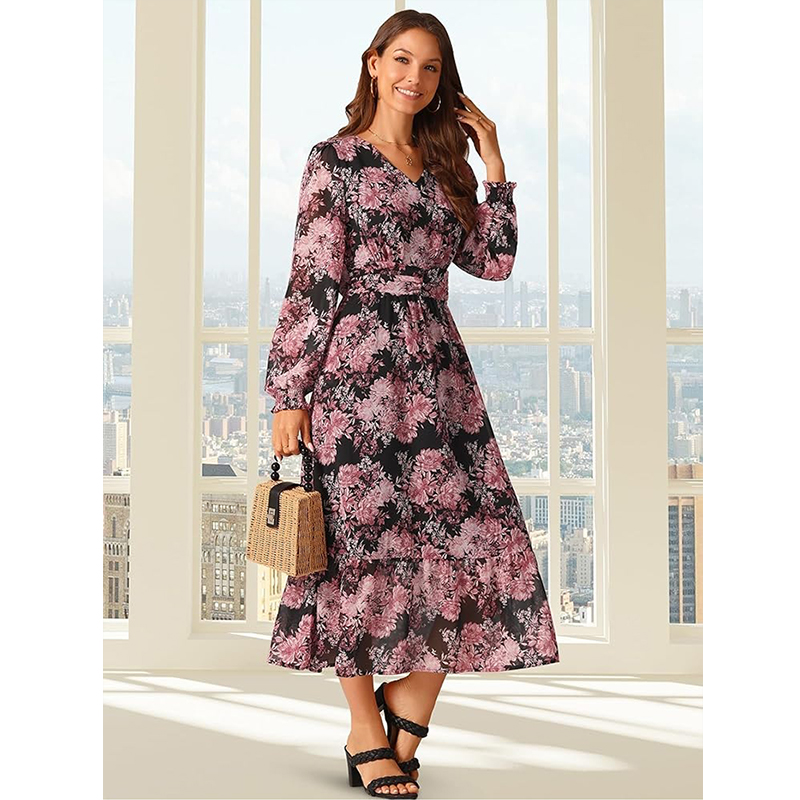
Long Sleeve Midi Dress
Sleeve length and armhole measurements need to stay balanced with the body of the dress. This becomes particularly important when the style is graded into several sizes or made in a heavier fabric.
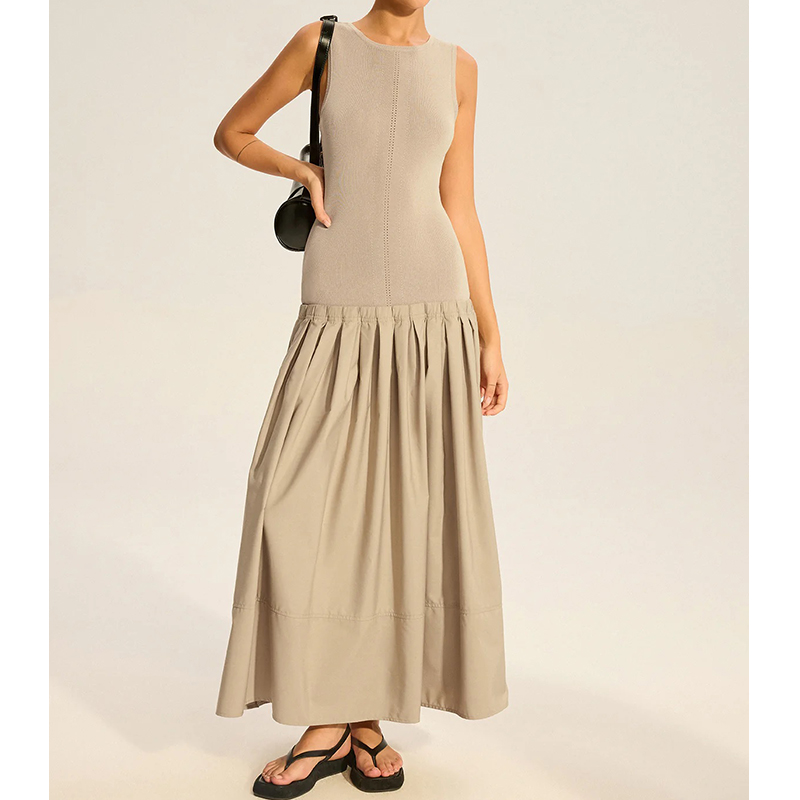
Pleated Midi Dress
Pleats affect both the look and the amount of fabric used. Their width, spacing and direction need to remain consistent after sewing and pressing, especially around the waist.
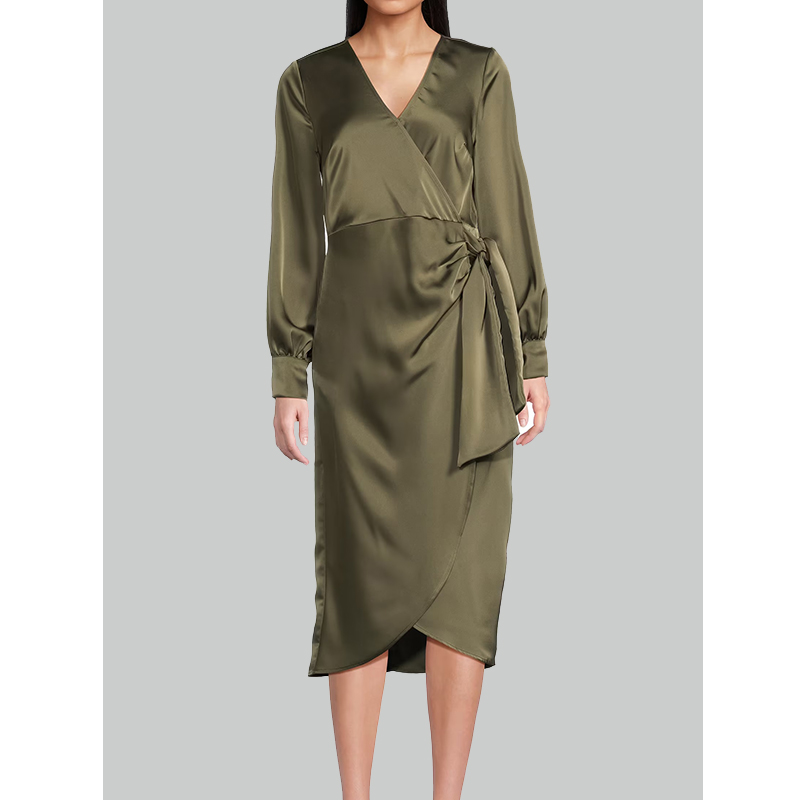
Wrap Midi Dress
The overlap is one of the first things we look at on a wrap style. Too little coverage can cause the front to open during movement, while too much can create unnecessary bulk around the waist.
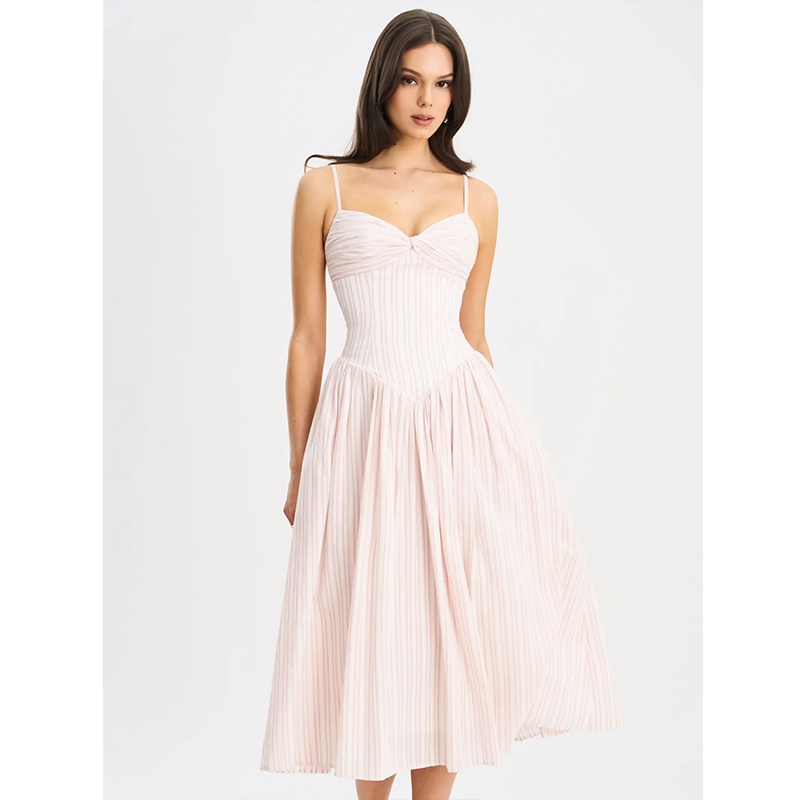
Ruched Midi Dress
Ruching changes the amount of fabric gathered into a particular area, so its position and depth affect the silhouette. On adjustable styles, we also consider how the dress looks at different levels of gathering.
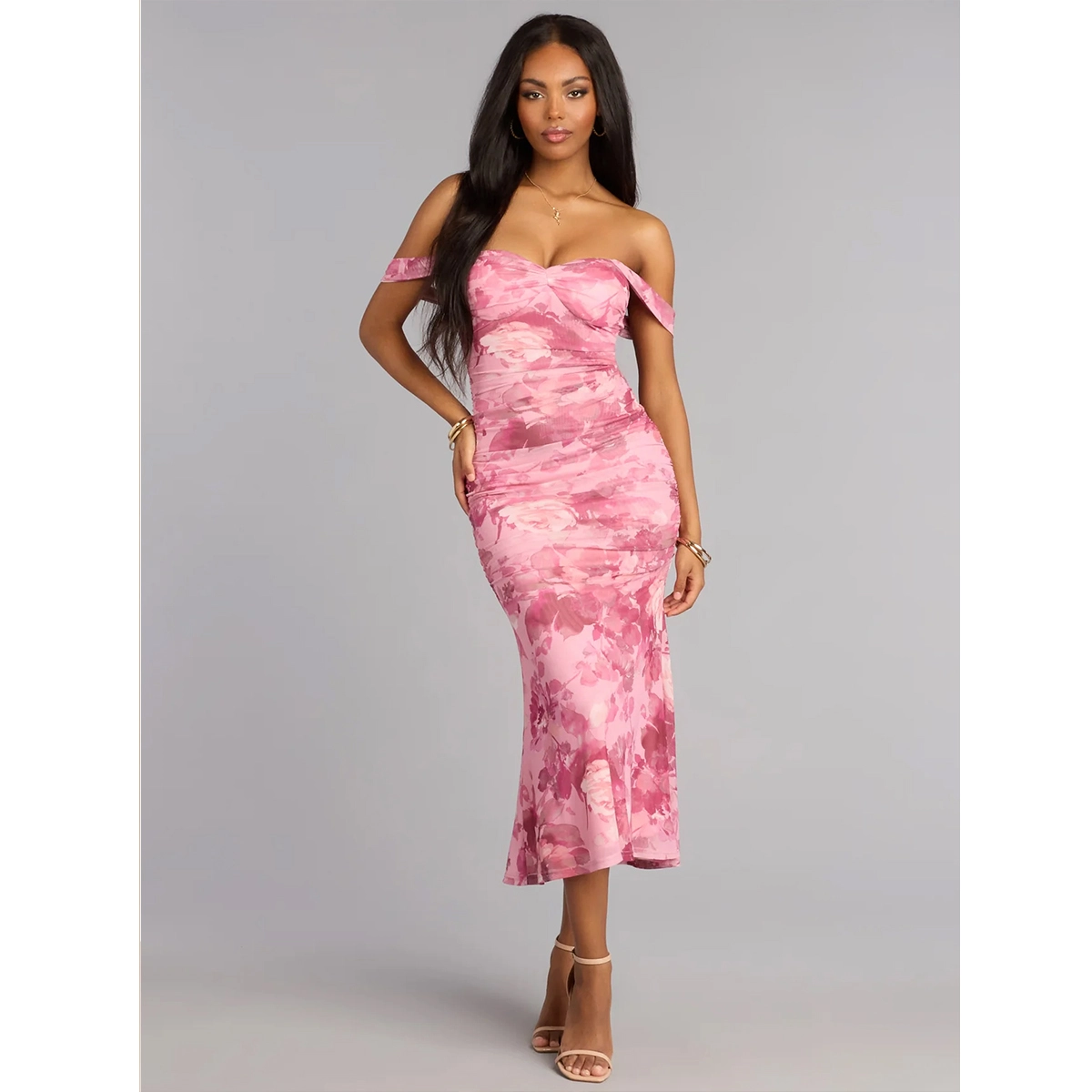
Off-Shoulder Midi Dress
An off-shoulder neckline needs to stay in place without feeling restrictive. Elastic, neckline width, sleeve construction and upper-body fit all contribute to how it behaves when the wearer moves.
Discuss Your Midi Dress Project With Us
You may already have a finished tech pack, or you may only have a product photo and an idea for the dress.
Send us what you have, together with any available details such as:
- Expected quantity
- Fabric preference
- Size range
- Target market
- Target price
- Required delivery date
- Private label requirements
We can review the design and discuss the fabric, construction, MOQ and sampling requirements before moving into production.
Send Your Midi Dress Design → Request a Quote → Develop the Sample → Approve the PP Sample → Start Bulk Production
Yes. We can develop midi dresses in plus sizes or to your own size chart. During sampling, we check how the pattern changes with different measurements, especially around the bust, waist, hip, armhole and sleeve. If you have a size chart or grading requirements, we can work from those specifications.
Yes. A product photo can be used as a starting point for development. We normally review the neckline, fit, length, seams and construction details from the image, then discuss the fabric and measurements with you. A sample is made first so the proportions and details can be checked before bulk production.
Our MOQ depends on the fabric, color and construction of the midi dress. For many custom styles, we can start around 50–100 pieces per style and color. If you are testing a new design or placing a smaller first order, we can discuss the quantity before sampling.
Yes. We can source fabric based on your design, target price and required hand feel. We usually check weight, width, stretch, drape and color availability before confirming a fabric. If you already have a fabric reference or swatch, we can also look for a closer match.
Bulk production usually takes around 20–30 days after the pre-production sample, fabric and final details are approved. The actual timing can change with fabric availability, order quantity and construction. Before starting production, we confirm the schedule so you know when the order is expected to be ready.