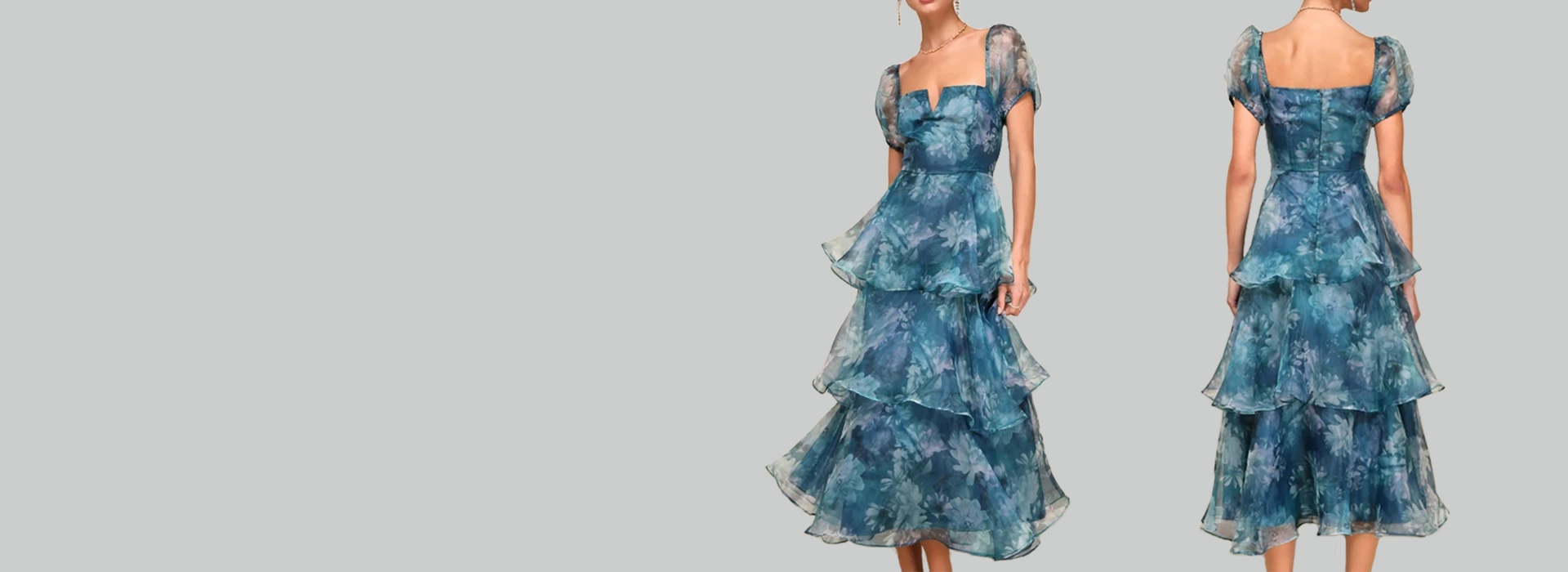
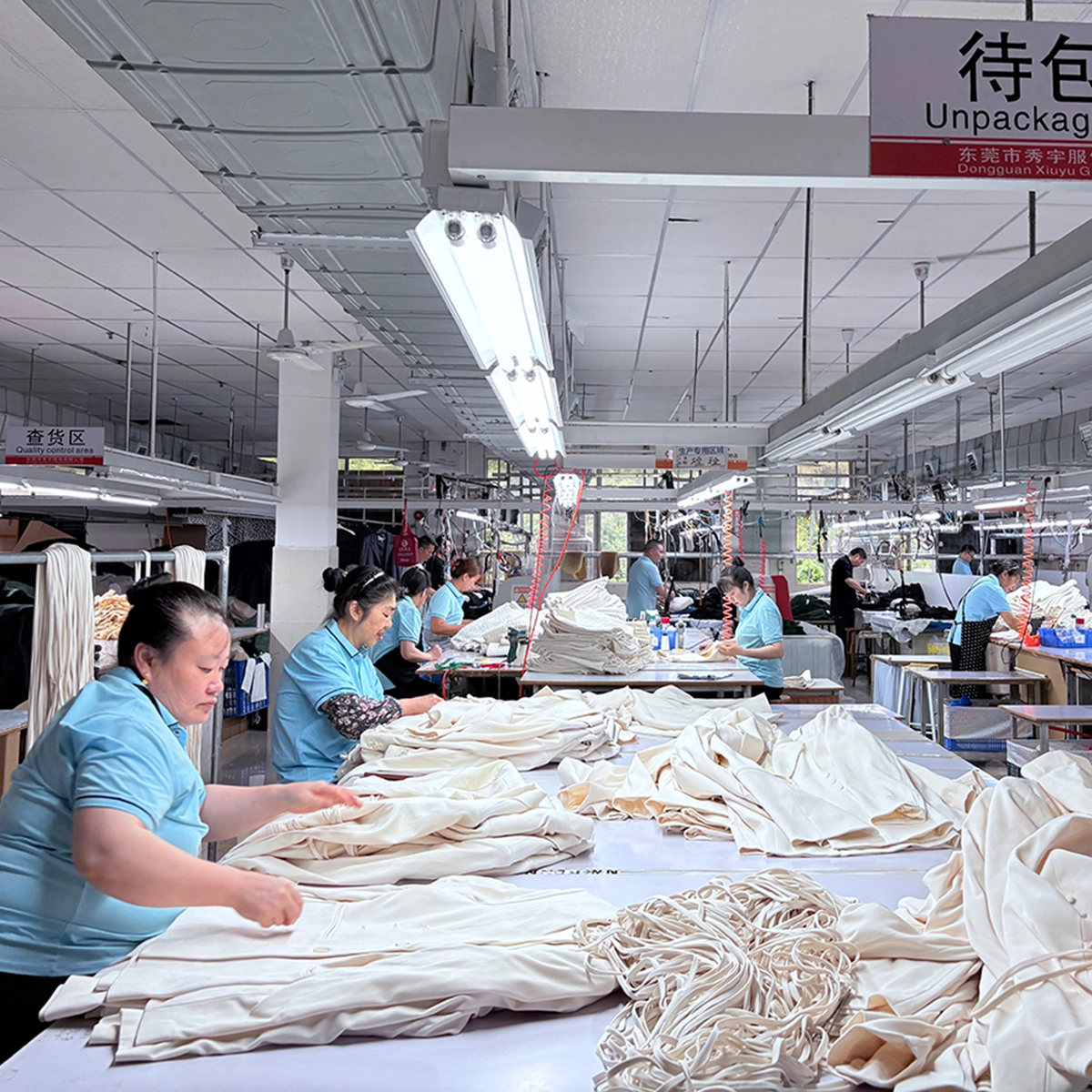
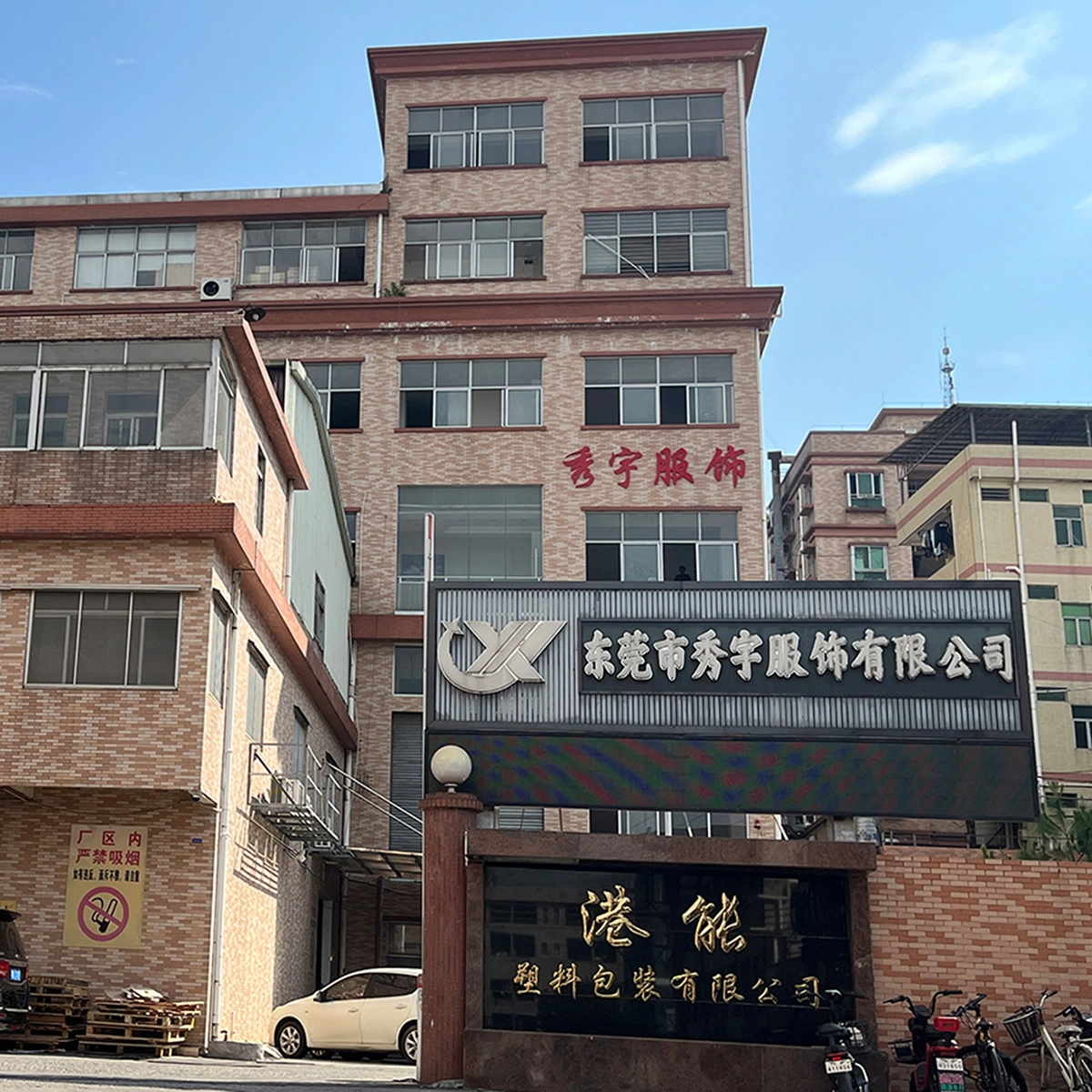
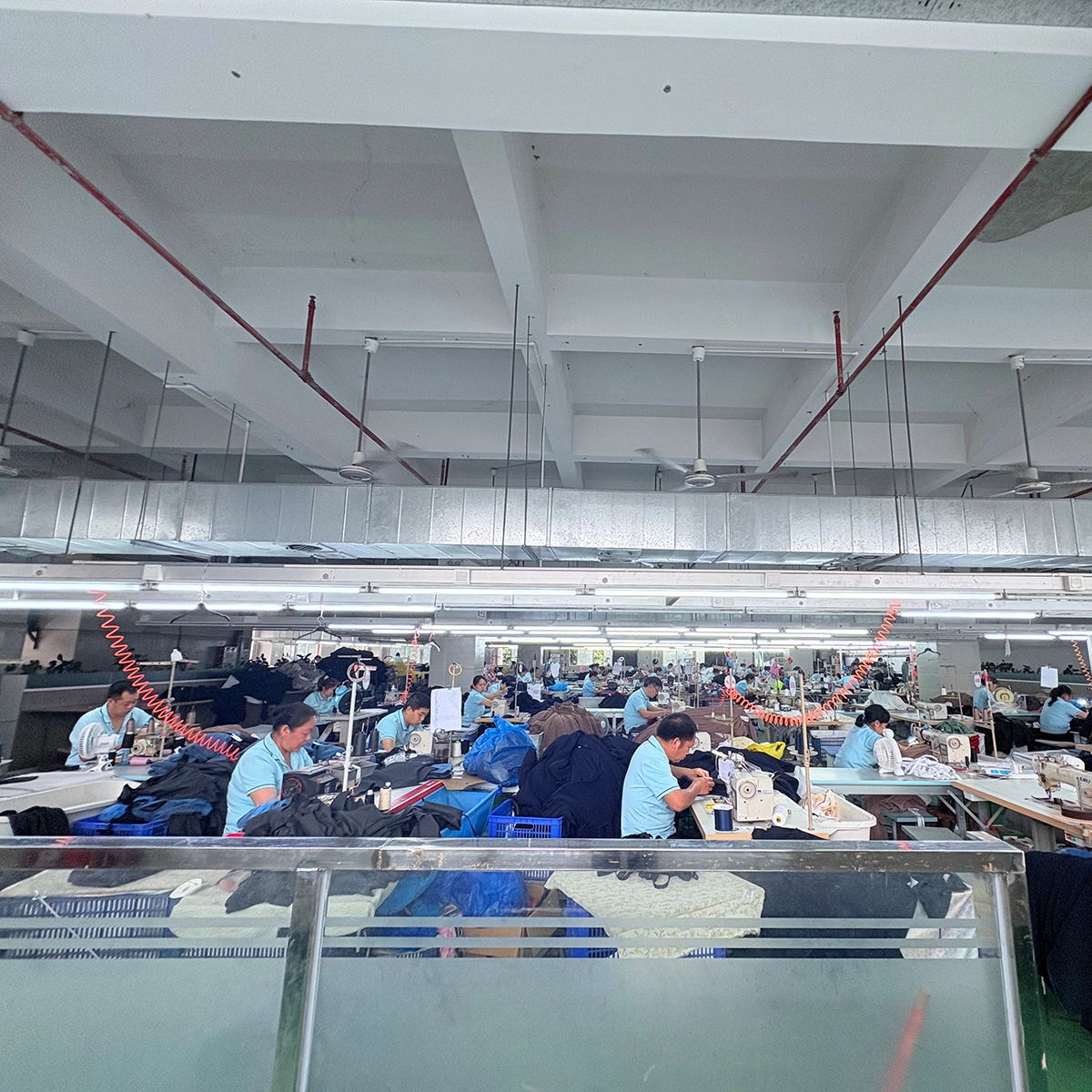
Our Wedding Guest Dress Production Capacity
We have been making dresses in our own factory since 2007.
Our factory includes:
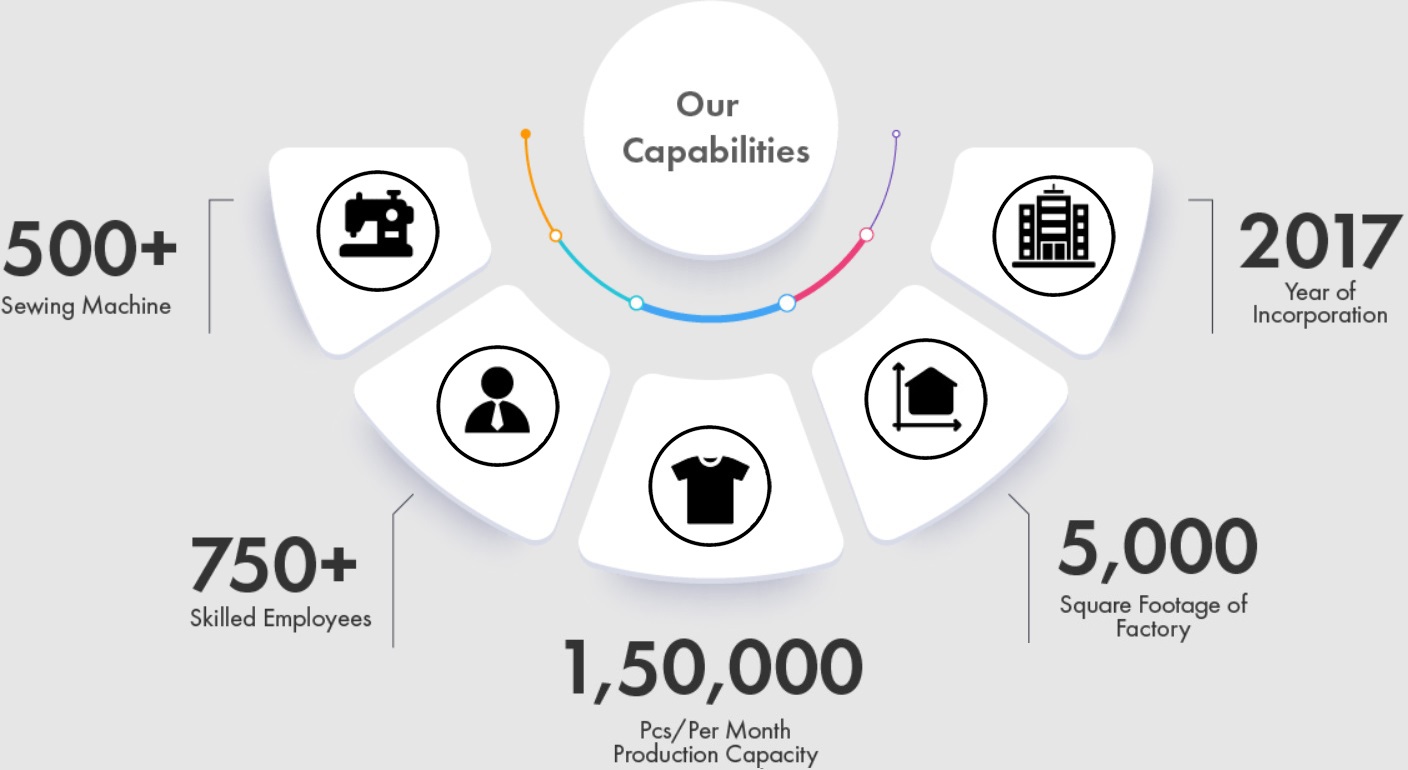
- 750+ workers
- 500+ sewing machines
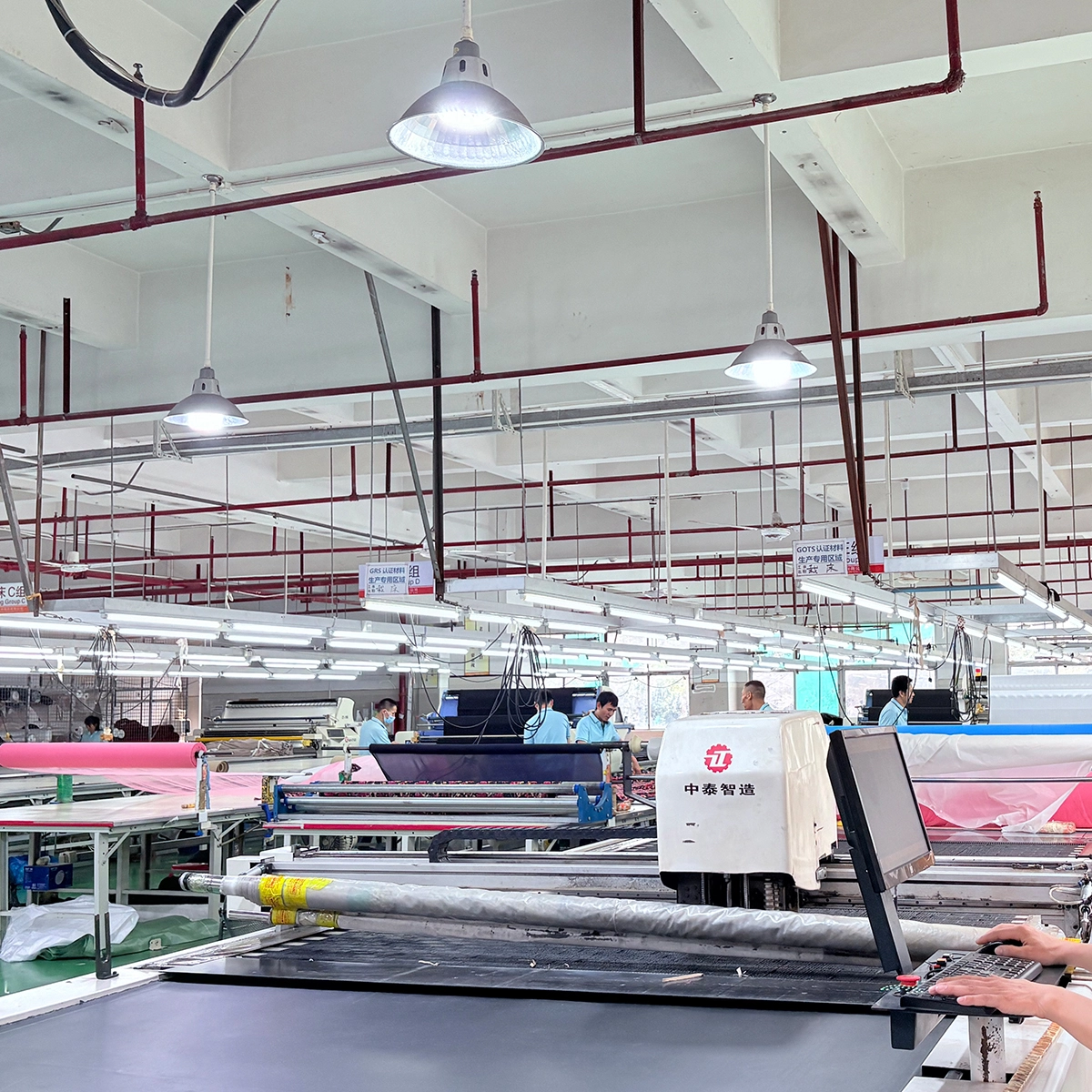
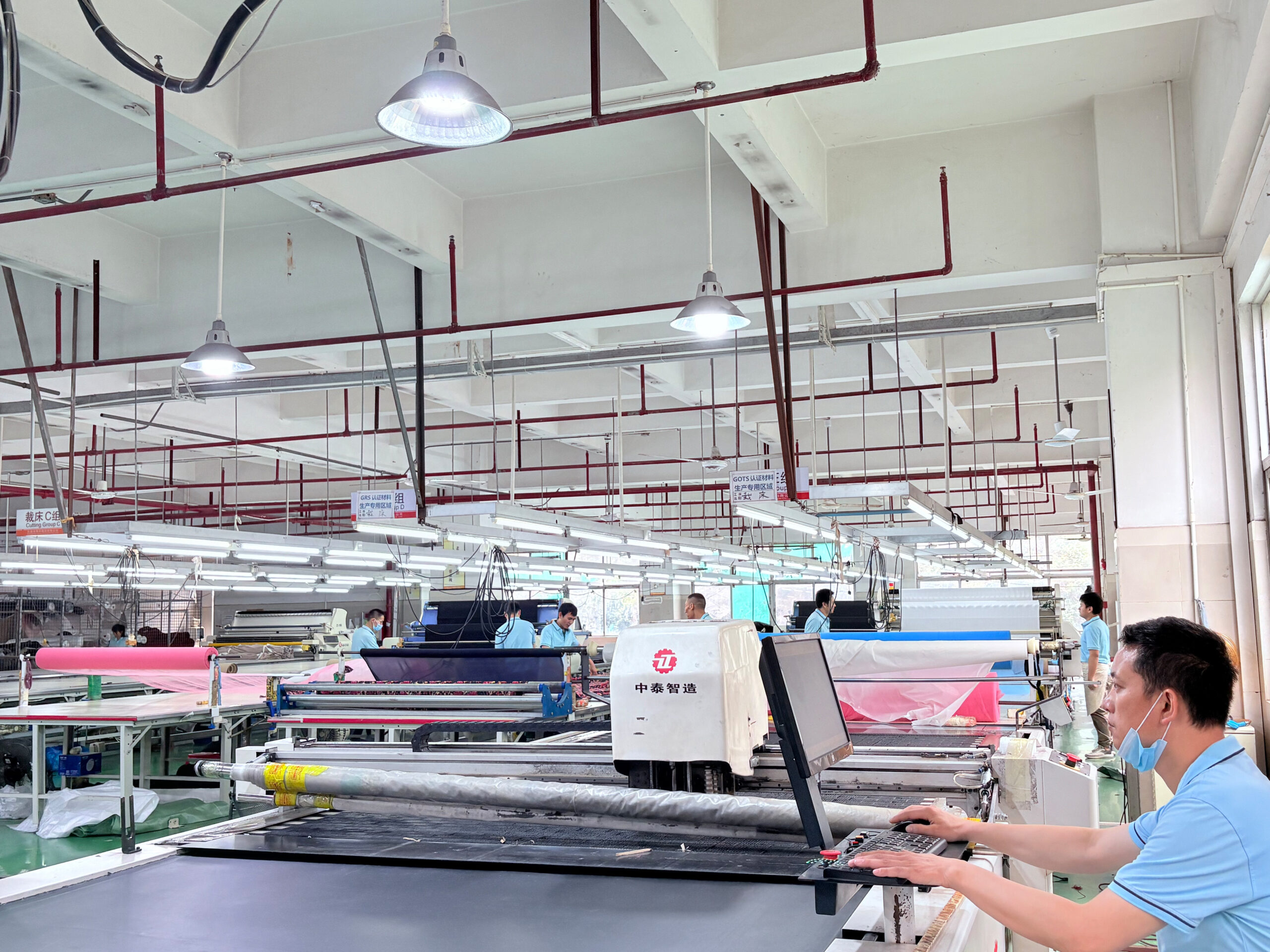
- 5 automatic cutting lines
- 5,000㎡ factory
- 150,000+ pcs/month capacity for different dress categories and order volumes
- Export experience to 40+ countries
- 15 pattern makers
- 35 sample sewers
Wedding Guest Dress Manufacturing From Our Factory
Since 2007, Xiuyu Apparel has developed wedding guest dresses for fashion brands, retailers and private label companies, handling the process from initial sampling to bulk production. Wedding guest dress production is handled in-house, from pattern making and sampling through fabric inspection, cutting, sewing, pressing, finishing and final inspection. As an experienced dress manufacturer, we work with brands that need flexible customization, low MOQ production and support from sampling to finished garments.
During wedding guest dress development, our team reviews fabric behavior, pattern construction and fitting points before moving a style into bulk production. Fabric behavior, pattern construction and fitting points all need to be reviewed before the style moves into bulk production. Satin, chiffon, crepe and lightweight woven fabrics can behave differently during cutting and sewing. Draped necklines, fitted waists and gathered skirts also need to be checked carefully during sample development.
Construction requirements can change depending on the design. Pleats, ruching, wrap fronts, bows, open backs and layered skirts may require different sewing methods and pattern adjustments during sampling. A soft fabric may work well for draping but lack enough body for structured details. On fitted styles, small pattern adjustments around the bust, waist and hip can also change the overall fit.
These points are confirmed when making the first sample. If adjustments are needed, the pattern and sample teams can update the construction before bulk production.
Wedding Guest Dress Manufacturing Details
| Item | Details |
|---|---|
| MOQ | 50–100 pcs per style/color |
| Sample Development | 3–7 Days |
| Bulk Production | 25–30 Days |
| Fabric Sourcing | Available |
| Pantone Color Matching | Available |
| Custom Colors | Available |
| Custom Labels | Available |
| Custom Packaging | Available |
| Fabric Inspection | 100% Inspection |
| OEM / ODM | Supported |
| Private Label | Supported |
Fabrics for Wedding Guest Dresses
In production, the same wedding guest dress can require different fabric handling methods depending on weight, surface finish and construction.
| Fabric | Common Uses | Production Considerations |
|---|---|---|
| Chiffon | Maxi, floral, gathered styles | Sheerness, lining, print placement |
| Satin | Slip, midi, formal styles | Drape, seam appearance, pressing |
| Crepe | Formal, midi, semi-formal | Structure, fit, surface finish |
| Lace | Formal, cocktail, overlays | Cutting, placement, joining |
| Cotton | Summer, casual wedding styles | Shrinkage, weight, washing |
| Linen Blend | Outdoor, summer, destination | Shrinkage, wrinkles |
| Mesh | Sleeves, overlays, layered styles | Stretch, transparency, lining |
Popular Wedding Guest Dress Styles We Can Customize
Our sample room develops different wedding guest dress styles based on brand collections, including formal, cocktail, chiffon and satin designs. These styles are frequently requested by brands developing wedding guest collections. Our pattern department and sample room adjust each style according to fabric, construction and target market requirements.
Development can start from a finished design, reference dress, product photo or seasonal collection. Our pattern and sample teams review fabric, silhouette, sizing and construction details before sampling, followed by fitting and any necessary revisions before bulk production.
Catalogue from Xiuyu Apparel
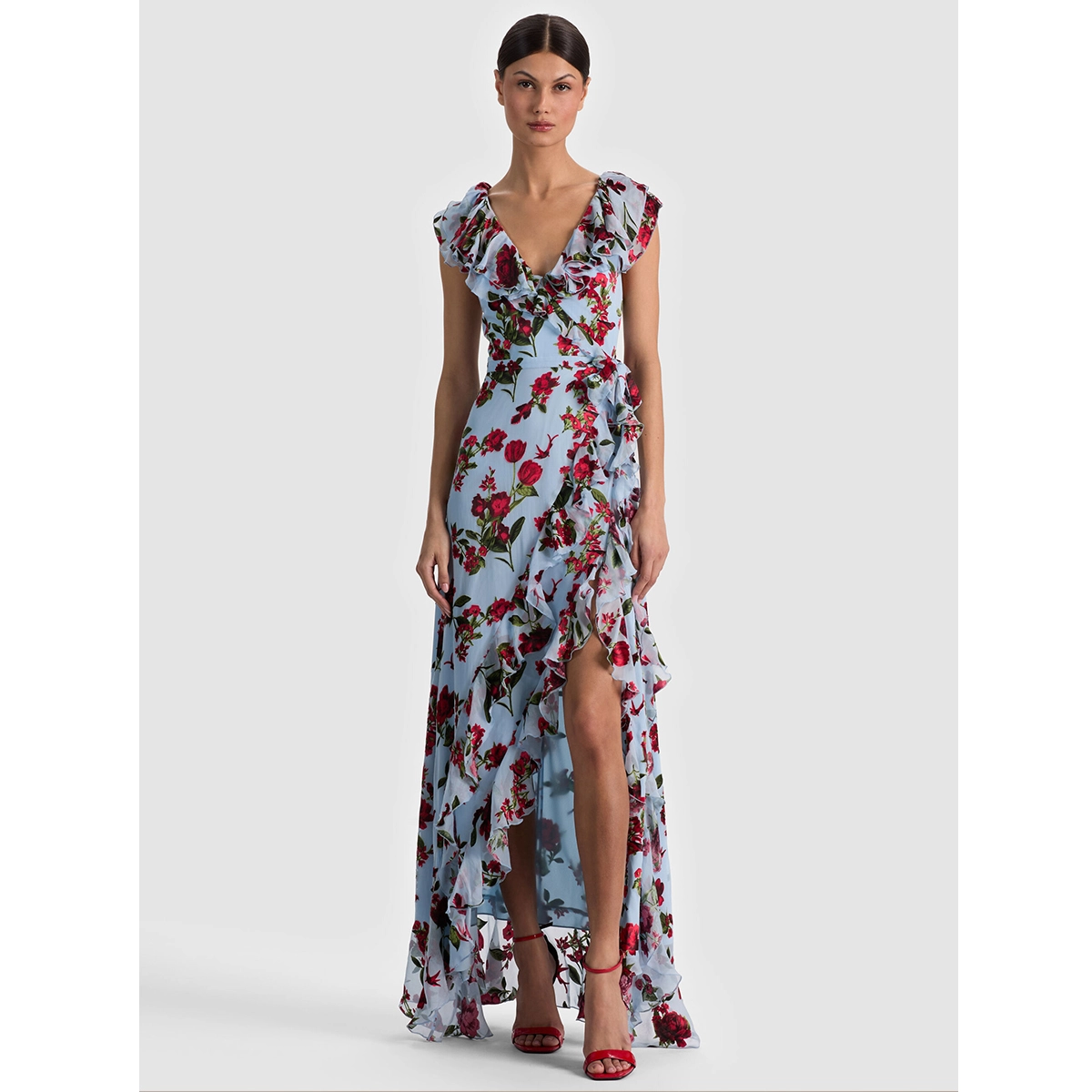
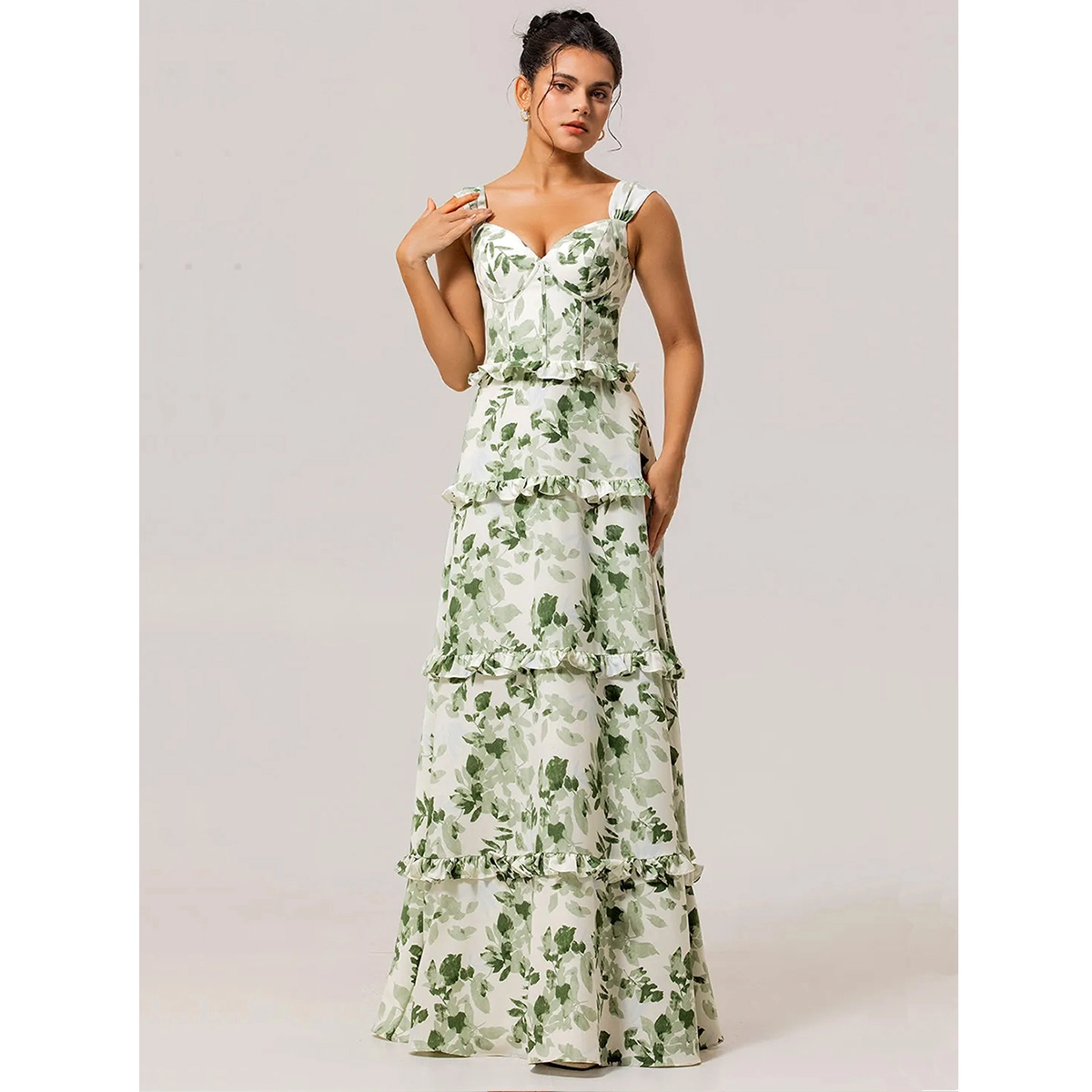
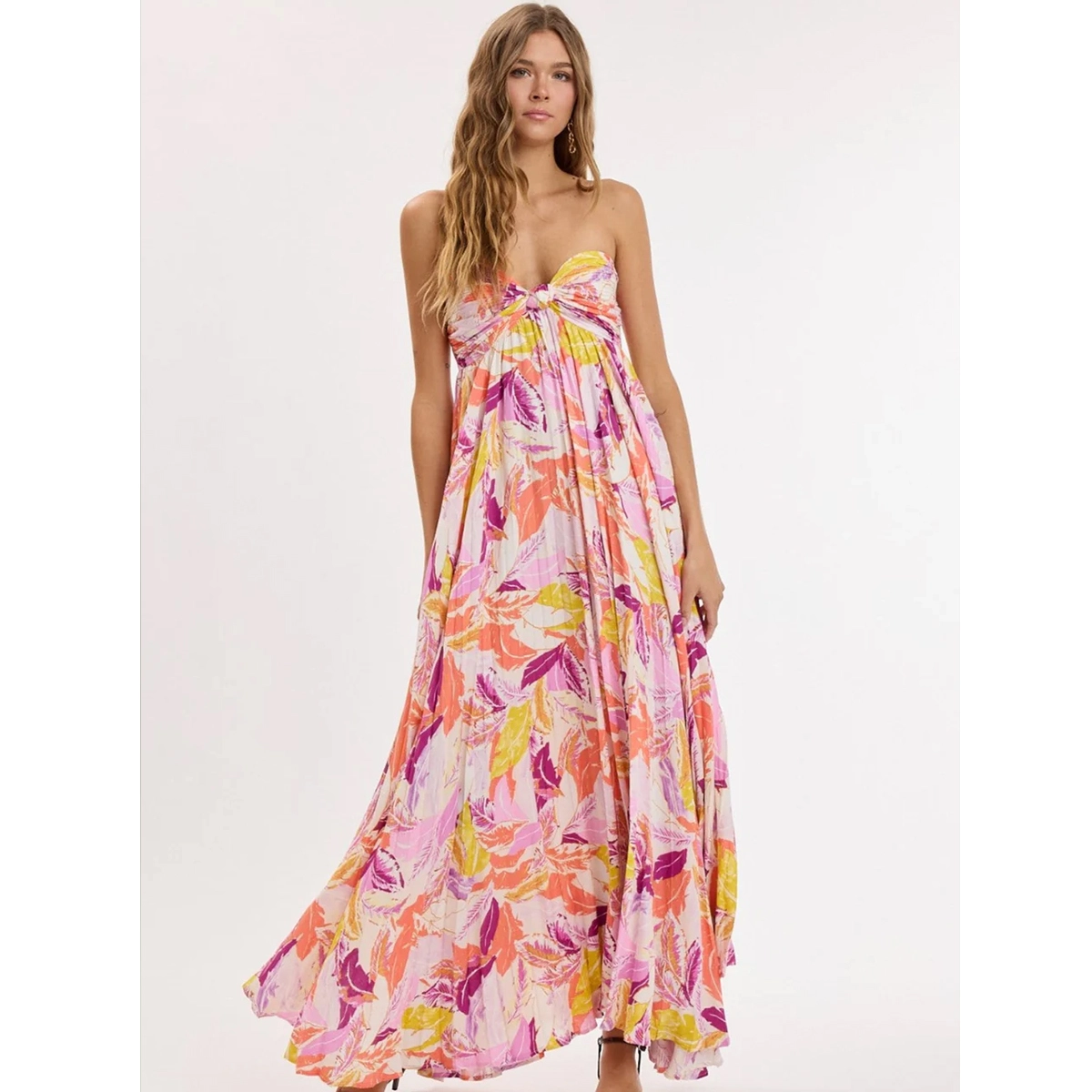
Maxi Wedding Guest Dress
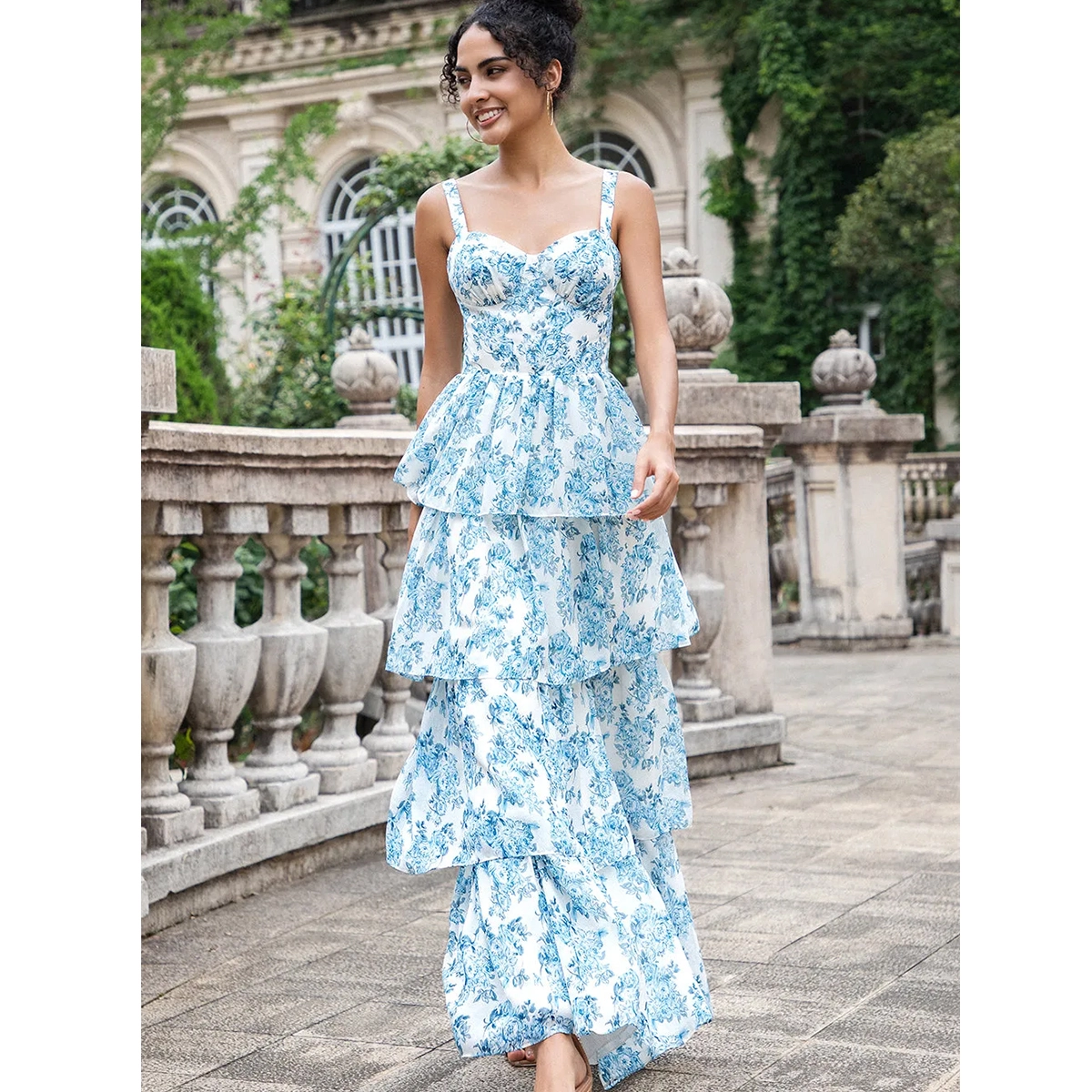
Maxi wedding guest dresses require more attention to hem control, fabric weight and overall balance because longer lengths make construction issues easier to notice.
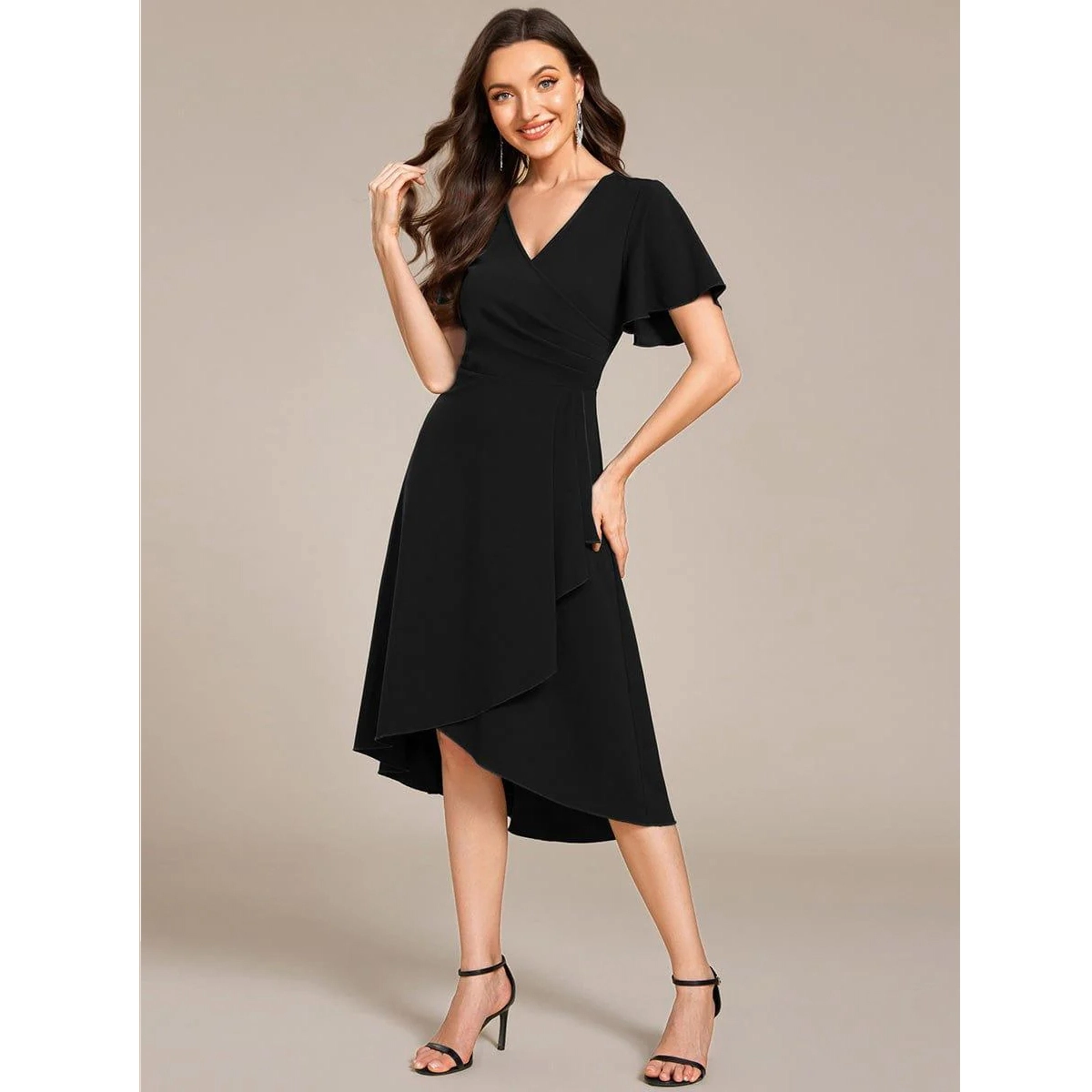
Midi Wedding Guest Dress
Midi lengths are often selected by brands looking for occasionwear styles that work across different wedding settings. Before production approval, waist position, finished length and fabric behavior are checked together to keep the overall proportion balanced.
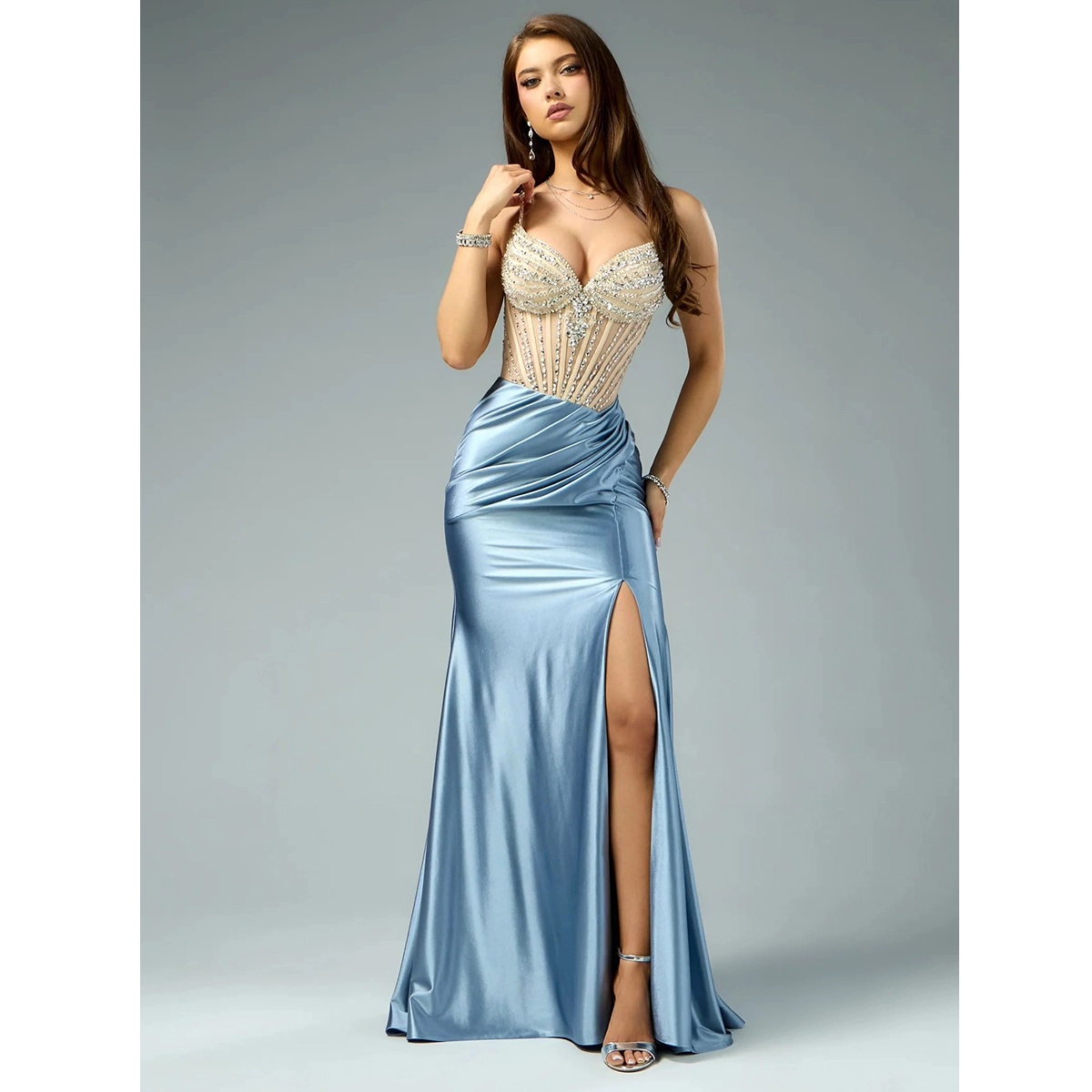
Formal Wedding Guest Dress
Formal wedding guest dresses often involve more construction details, including fitted bodices, lining, pleats and structured seams. Pattern accuracy and finishing quality directly affect the final garment appearance.
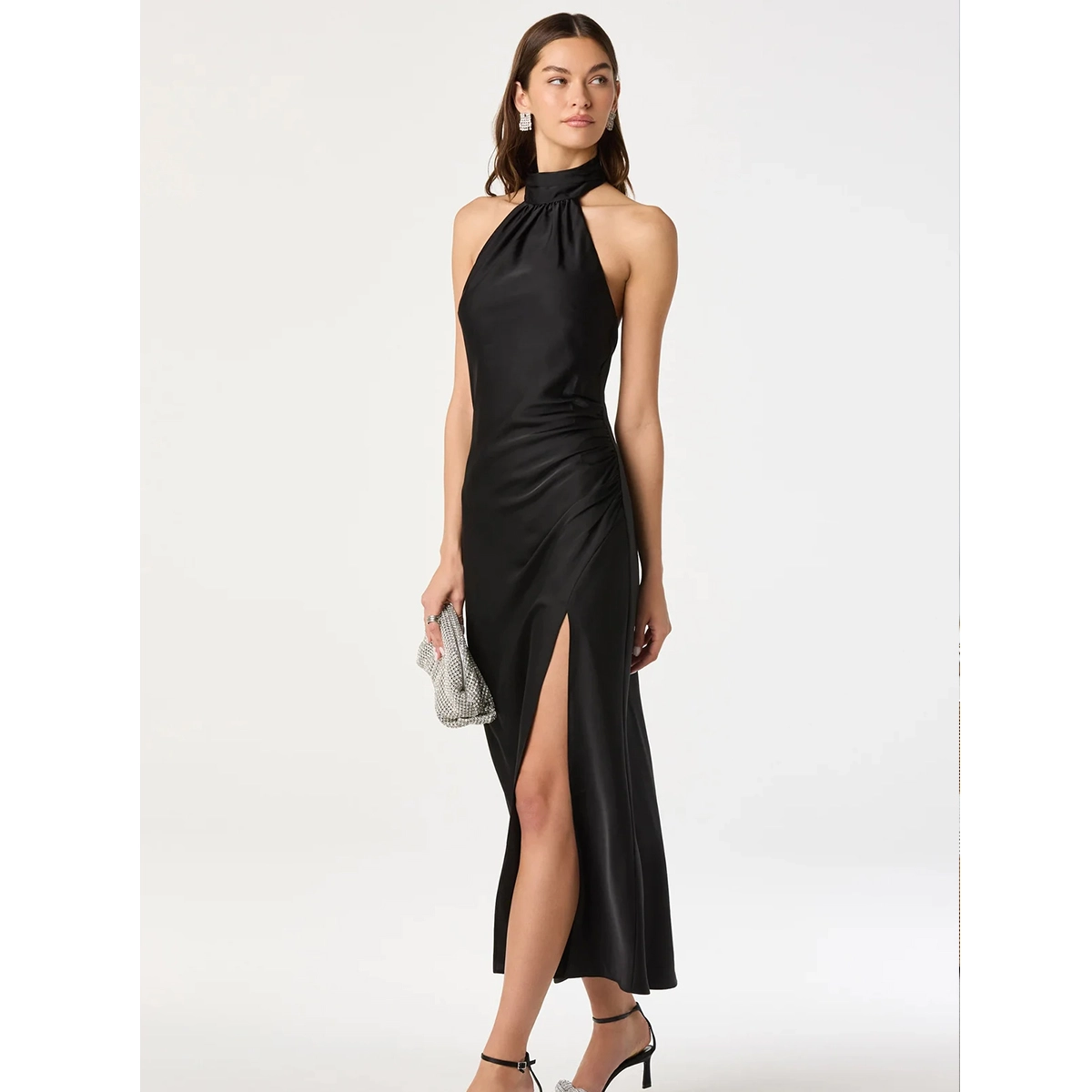
Cocktail Wedding Guest Dress
Cocktail wedding guest dresses usually feature shorter lengths, defined waistlines and detailed necklines. Sample fitting helps review armhole, neckline depth and movement before bulk production.
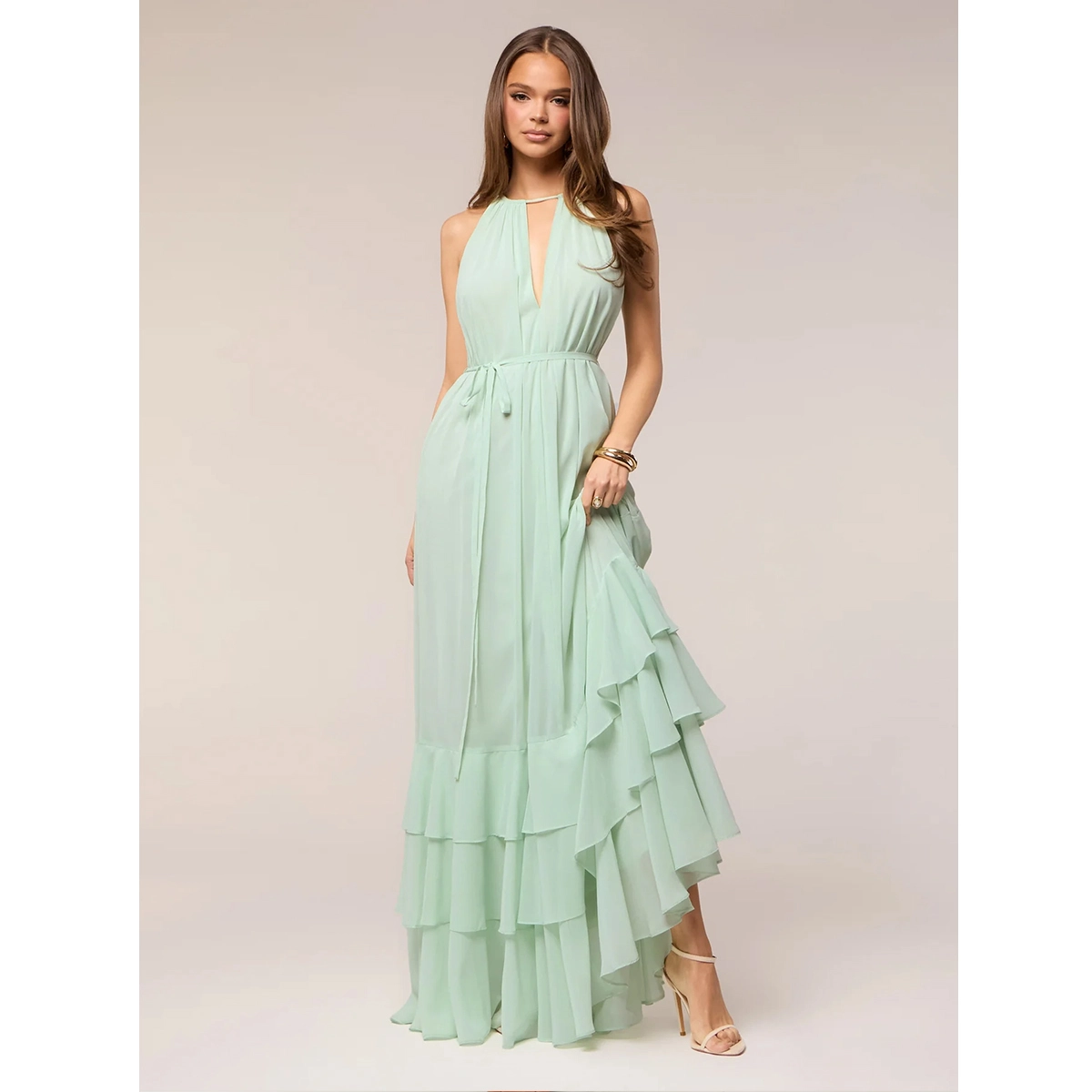
Chiffon Wedding Guest Dress
Lightweight chiffon is popular for flowing wedding guest styles, but it also requires attention during cutting and sewing. Sheerness, lining coverage and print direction should be confirmed before bulk cutting.
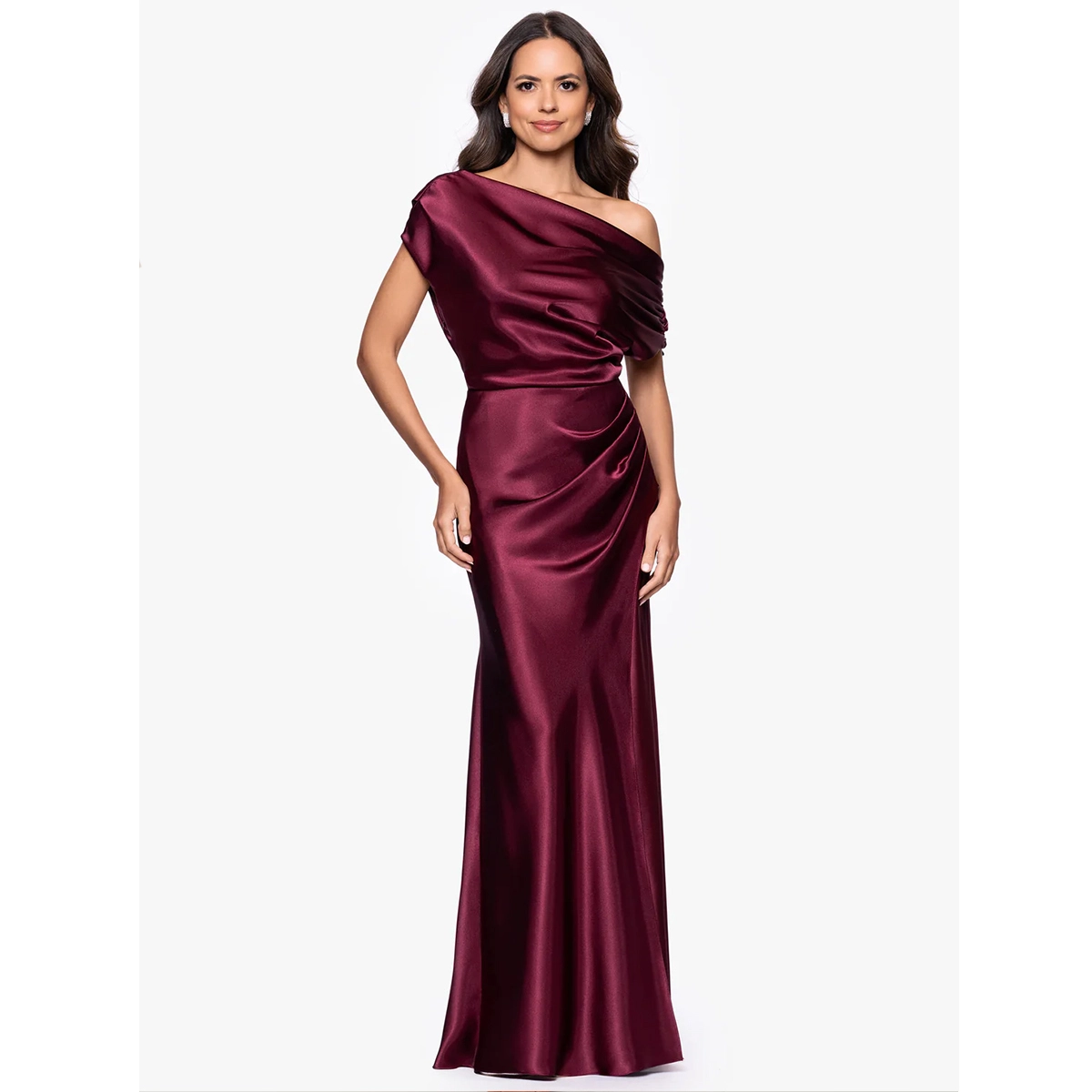
Satin Wedding Guest Dress
Satin creates a smooth formal appearance, but it can also show pressing marks or uneven seams more easily. Sample approval helps confirm neckline shape, waist construction and finishing details.
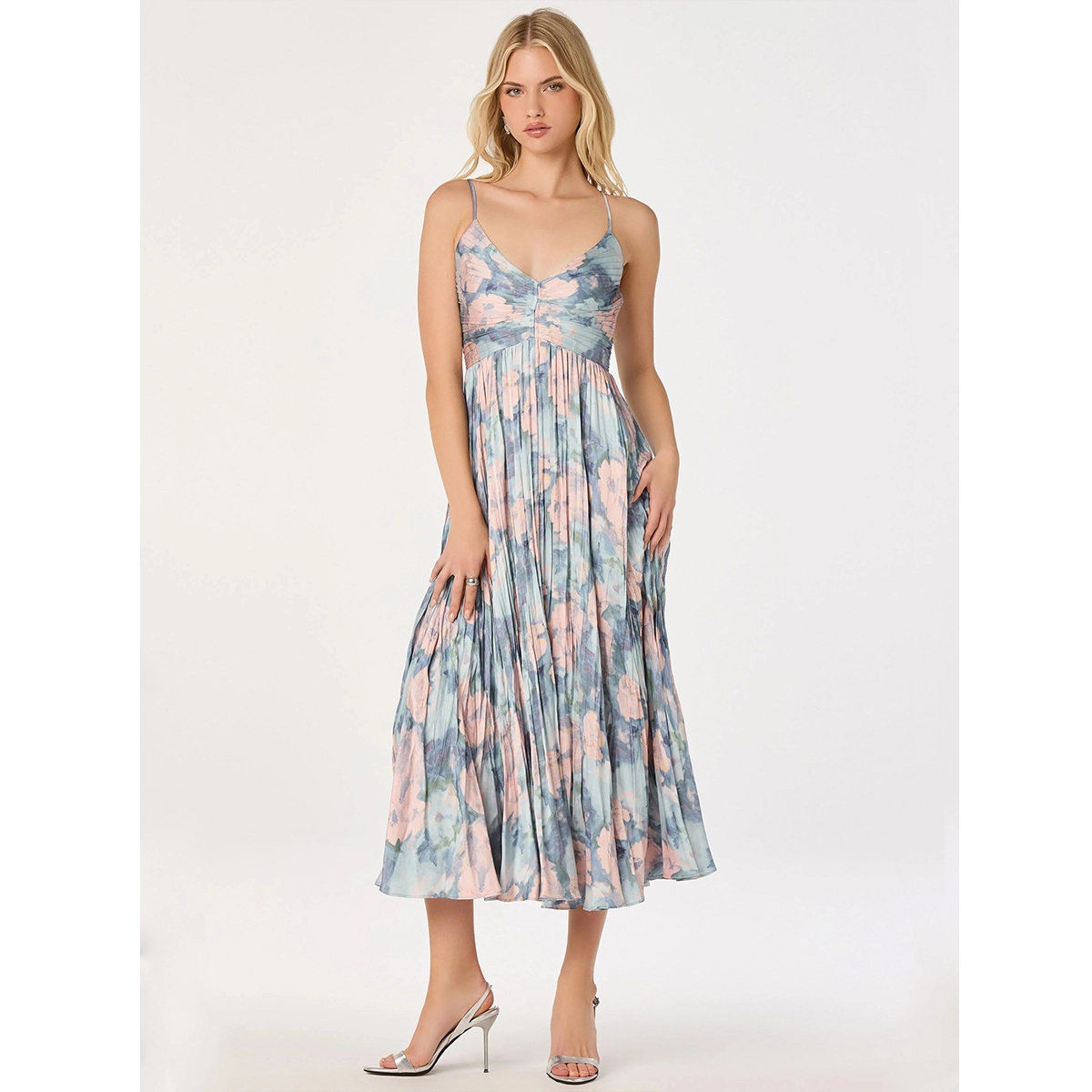
Floral Wedding Guest Dress
Floral wedding guest dresses are developed in chiffon, satin, rayon, cotton and blended fabrics. Print scale, panel placement and cutting layout are reviewed to maintain the intended design effect.
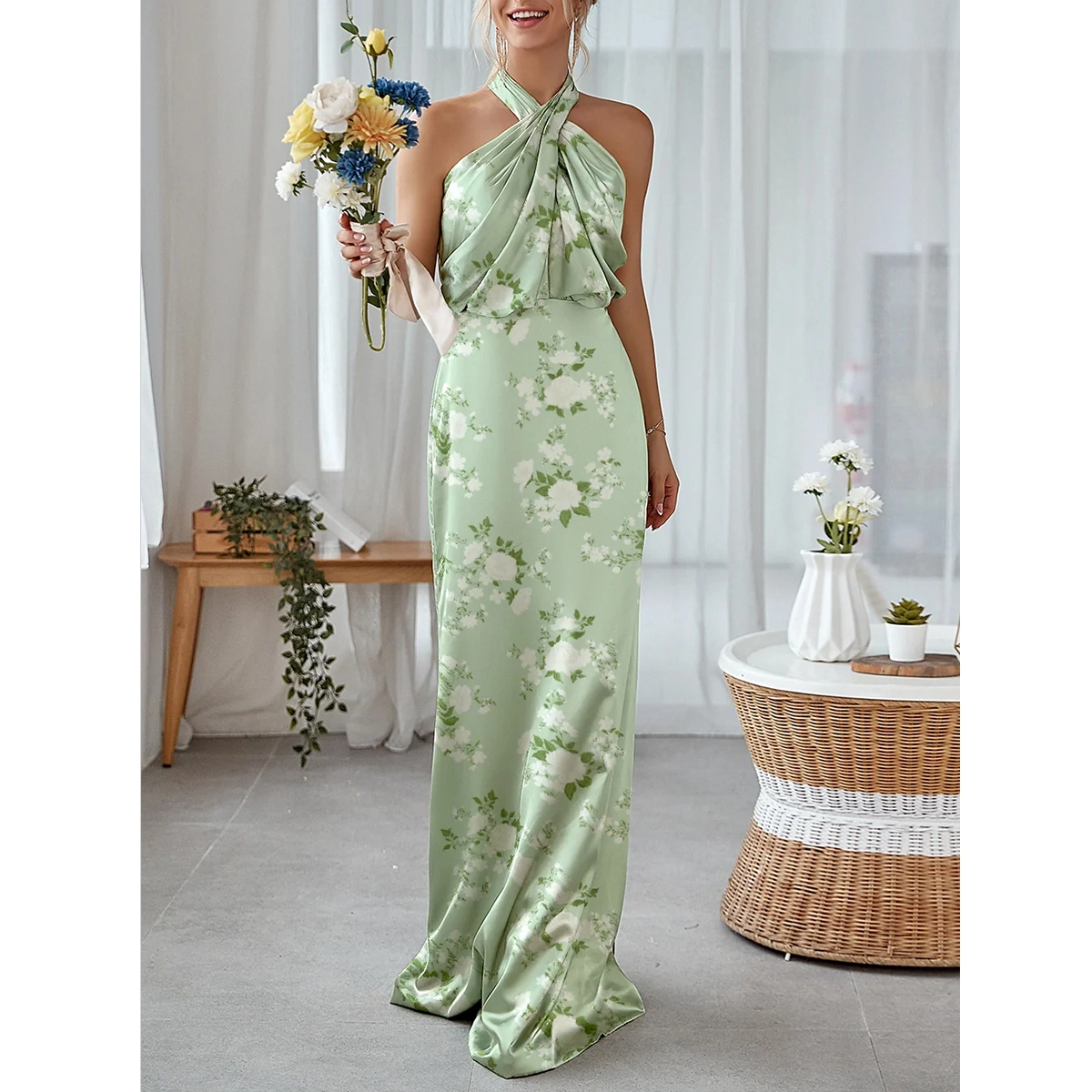
Halter Wedding Guest Dress
Halter wedding guest dresses depend heavily on neckline structure and back fit. Pattern adjustments are usually reviewed during sampling to ensure proper support and comfortable wear.
Factory Certifications
If a buyer requires certification documents for a specific order, we can provide the relevant documents for review before production. Depending on the product requirements and market destination, relevant documents such as BSCI, OEKO-TEX, GOTS or ISO-related documents can be reviewed when applicable.
 OEKO Certificate
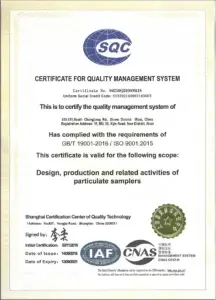 ISO9001 Certificate
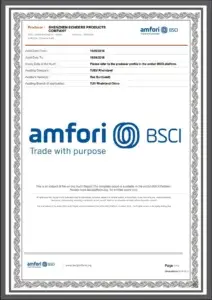 BSCI Certificate
What Our Customers Say
“We were very pleased with the finished products from Xiuyu Apparel. The sewing and finishing were clean, and the small details were handled well. We especially liked the color-matched zippers, which made the finished pieces look much cleaner and more polished.
The quality was better than we expected, and the team was easy to work with throughout the order. They responded quickly when we had questions and were willing to check the details with us during production. We’re happy with the result and would definitely consider working with Xiuyu Apparel again.”

Aroha
(From Netherlands)
“Working with Xiuyu Apparel was a smooth experience from the beginning. Communication was easy, and they were quick to answer whenever I had a question or needed to confirm a detail. The order was shipped on time, and the quality of the silk was what I was looking for.
I also checked the silk quality myself and was satisfied with the result. The certification information was provided as well, which gave me more confidence in the materials. Overall, the whole process was straightforward, and I would be happy to work with them again.”

Charlotte
(From United Kingdom)
“We’ve had a very good experience working with Xiuyu Apparel. The products were made carefully, and the details and finishing were handled well. Everything was also packed properly for shipping.
The sales team is easy to communicate with and usually gets back to us quickly when we have questions or need to check something during production. They’ve been helpful throughout the whole process, from confirming the details to arranging the shipment.
We’re happy with the quality and service and would be glad to work with Xiuyu Apparel again. It has been a smooth experience for us.”
Elodie
(From France)
“We’ve been working with Xiuyu Apparel since 2020, and the experience has been very good from the start. The dress quality has been consistent, delivery is usually on schedule, and communication with the team is easy.
Whenever we have questions or need to make changes, they are patient and quick to respond. They also understand our requirements well, which makes the production process much easier for us.
We really appreciate the support over the years and are happy to continue working with Xiuyu Apparel. We look forward to working on more styles together.”

Matilda
(From Australia)
OEM and Private Label Wedding Guest Dress Production
If you are launching a wedding guest collection under your own brand, working with an experienced OEM dress manufacturer can help coordinate garment development, labeling and packaging requirements.
You can specify:
- Woven labels
- Printed labels
- Size labels
- Care labels
- Hangtags
- Barcodes
- Polybags
- Cartons
- Custom boxes
- Packaging specifications
For startup brands, garment details and packaging requirements are often developed together during the first production stage.
For established brands and private label companies, your existing labeling and packing specifications can be added to the production documents so the sample and bulk teams are working from the same approved information.
Custom Options for Wedding Guest Dresses
Wedding guest collections can be adjusted through both visual design and construction details.
Color
Pantone colors or approved color references can be used for development where applicable.
Size
Buyers may provide their own measurement chart or request a custom size range such as XS–XXL.
Printing
Floral, placement and all-over prints can be developed according to the artwork and fabric requirements.
Embroidery & Appliqué
Used for adding decorative details to bodices, sleeves, waist sections or other garment areas.
Beading & Trims
Beading, lace, ribbons and other trims can be incorporated into selected styles after construction requirements are reviewed during sampling.
What to Send When You Start a Wedding Guest Dress Project
You do not need a finished tech pack to ask about production.
Send what you already have:
- Design sketch
- Reference photo
- Tech pack
- Existing garment
- Physical sample
- Fabric swatch
- Size chart
- Measurement sheet
- Color reference
- Print artwork
- Estimated quantity
- Label requirements
- Packaging requirements
If some information is missing, our team can identify the production details that need to be confirmed before sampling.
This allows startup brands to begin development even when some production details are still being finalized.
Low MOQ Wedding Guest Dress Manufacturing
Many startup brands test new wedding guest collections with selected styles before increasing order quantities. We support lower-volume production for selected designs, with starting quantities commonly around 50–100 pieces per style/color.
The actual MOQ depends on:
- Fabric availability
- Custom dyeing requirements
- Fabric minimum order quantity
- Number of colors and print options
- Lace, beading or embellishment details
- Custom trims and accessories
- Pattern complexity
- Size breakdown requirements
MOQ is often influenced more by fabric, decoration and production process than by the dress style itself. Simple chiffon, satin or printed designs are usually easier to arrange in smaller quantities, while dresses with heavy beading, special lace or complex construction may require additional production considerations.
Many brands begin with selected styles, review initial sales performance and place repeat orders based on market demand.
How We Develop Wedding Guest Dresses From Your Design
You do not need to have every production detail completed before contacting the factory.
You can start with:
- A tech pack
- Sketch
- Reference photo
- Existing garment
- Physical sample
- Fabric swatch
- Size chart
- Measurement sheet
- Color reference
- Print artwork
- Estimated order quantity
Our team reviews the information available and identifies the points that need confirmation before the first sample.
1. Fabric Review
The fabric is checked against the design requirements rather than selected only by appearance.
For suitable projects, we review composition, weight, color, hand feel, stretch, transparency and shrinkage requirements. Fabric inspection and preparation are handled before bulk cutting.
2. Pattern Making
Your design is converted into production patterns based on the approved measurements and construction.
Our pattern department has 15 pattern makers, working alongside the sample room to adjust fit and construction during development.
3. First Sample
The first sample allows you to review the actual garment.
You can check the fit, finished length, neckline, fabric behavior, lining, print placement and construction. If something is not right, the pattern can be adjusted before the production version is approved.
4. Fit Revision
Send fitting comments, measurement changes or marked photos if adjustments are needed.
The revised pattern should reflect the agreed changes so the next sample is being evaluated against a clear specification rather than a general comment such as “make it more fitted.”
5. PP Sample
The PP sample becomes the production reference after the main details have been approved.
Fabric, measurements, construction, trims, labels and finishing should match the approved requirements before bulk cutting begins.
6. Bulk Cutting and Sewing
After PP sample approval and fabric confirmation, bulk production usually takes 25–30 days.
Our factory has 5 automatic cutting lines and 500+ sewing machines. Sewing is followed by in-line QC, pressing, finishing and final inspection.
7. Final Inspection and Packing
Before shipment, finished garments are checked against the production requirements.
Your private label requirements can also be incorporated into the packing process, including woven labels, care labels, hangtags, barcodes, polybags, cartons or custom boxes.
Common Problems When Producing Wedding Guest Dresses
Fabric Drape Does Not Match the Design
A fabric may look suitable on a supplier’s swatch but behave differently once made into a full dress.
If the skirt needs movement or the bodice needs structure, the fabric weight and drape should be assessed at the development stage instead of relying only on photographs.
Chiffon Is Too Sheer
Lightweight chiffon can require more lining than initially expected, particularly for pale colors or full-length dresses.
You can confirm lining length and coverage during the sample stage so the final garment does not require an unexpected construction change during bulk production.
Floral Prints Do Not Sit Correctly
Print placement becomes important when the design has a strong center front, symmetrical bodice or panel matching requirement.
Providing the artwork and placement requirements before cutting gives the factory a chance to plan the marker and fabric usage accordingly.
The Dress Fits the Sample but Not Every Size
A single approved sample does not guarantee that every graded size will have the same proportions.
For your own size range, provide the measurement chart and grading requirements as early as possible. The pattern team can then review how the key measurements change across sizes.
Satin Shows Construction Problems
Smooth satin can make uneven seams, puckering and pressing marks more visible.
The production team needs to control handling, seam construction and pressing rather than treating satin in exactly the same way as a textured or heavier woven fabric.
What Affects Wedding Guest Dress Manufacturing Cost?
Two dresses can look similar in a product photo while requiring very different production work.
| Cost Factor | What Changes |
|---|---|
| Fabric | Material price, width, weight and sourcing |
| Construction | Number of panels, seams and special sewing operations |
| Design Details | Ruffles, pleats, ruching, gathers, embroidery and trims |
| Lining | Material usage and additional sewing |
| Quantity | Cutting and production efficiency |
| Printing | Artwork, print method and placement |
| Packaging | Labels, hangtags, polybags, cartons and boxes |
If you want a useful quotation, send the design together with your target quantity, fabric preference, size range and packaging requirements.
A product photograph alone may not show enough information for an accurate manufacturing quote.
How We Check Wedding Guest Dress Orders
Quality checks are arranged throughout production instead of waiting until finished dresses are ready for shipment. Checking during production allows issues with fabric, fit, construction and finishing to be identified earlier.
Fabric Inspection
Before bulk cutting, fabrics are checked for color consistency, fabric defects, shrinkage risks and overall condition. For wedding guest dresses using chiffon, satin, lace or printed fabrics, fabric appearance and hand feel are reviewed to match the approved sample requirements.
Cutting Inspection
Pattern pieces are checked before cutting to ensure they follow the approved measurements and construction details. Special attention is given to print placement, lace direction, fabric grain, and matching requirements for multi-panel designs.
In-Line Sewing Inspection
During sewing production, QC checks key areas including stitching quality, seam construction, measurements, zipper installation, lining attachment and overall garment shape. Fit-related details are reviewed based on the approved sample and size specifications.
Detail & Decoration Inspection
For styles with lace, embroidery, beading, appliqué, pleats or special trims, QC checks the placement, attachment strength and visual consistency of each detail. QC checks whether decorative details match the approved sample and remain secure after sewing.
Final Inspection
Before shipment, finished wedding guest dresses go through a final inspection covering measurements, workmanship, garment appearance, pressing, labels, packing and shipment requirements. Only approved garments move forward to packing and delivery.

About Our Wedding Guest Dress Factory
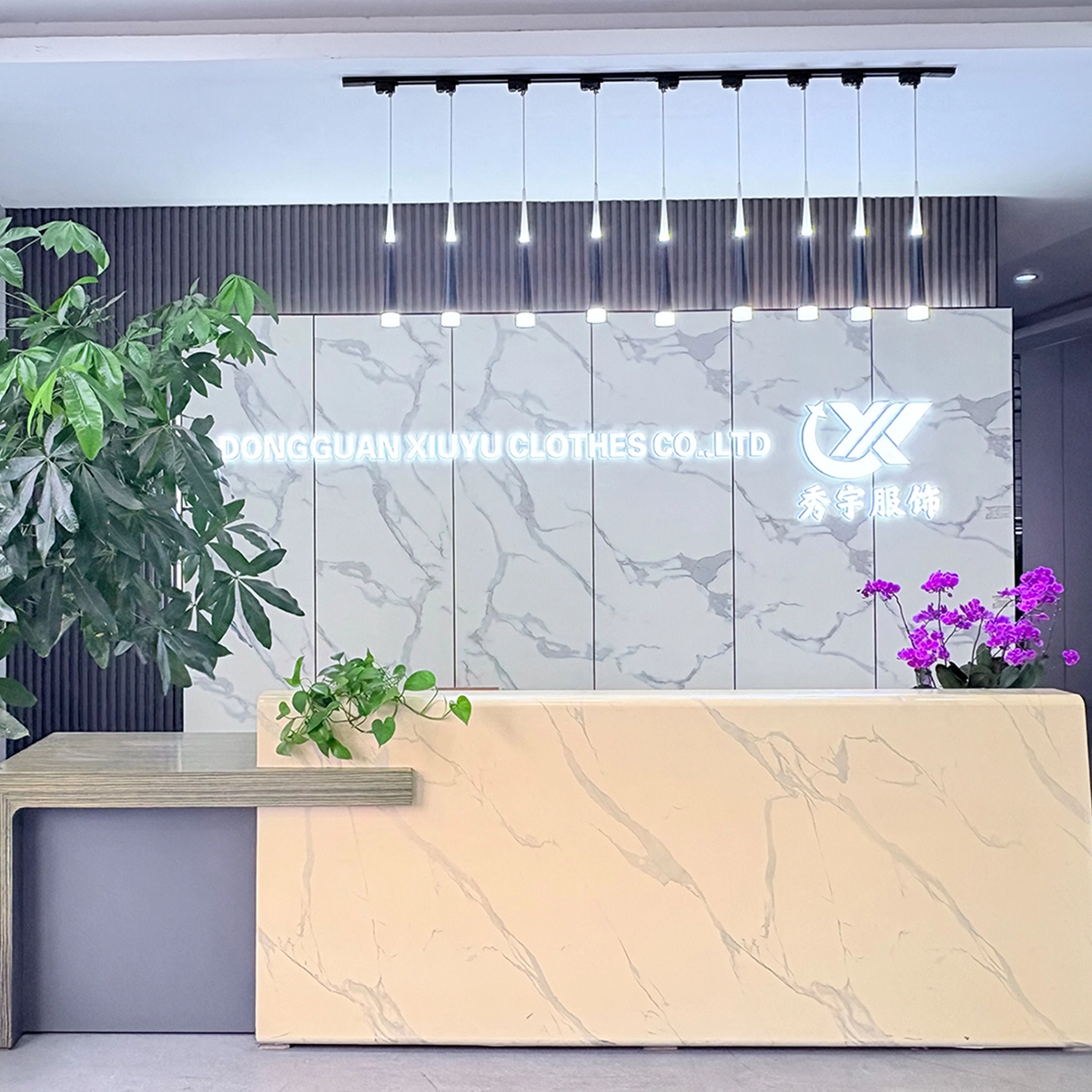
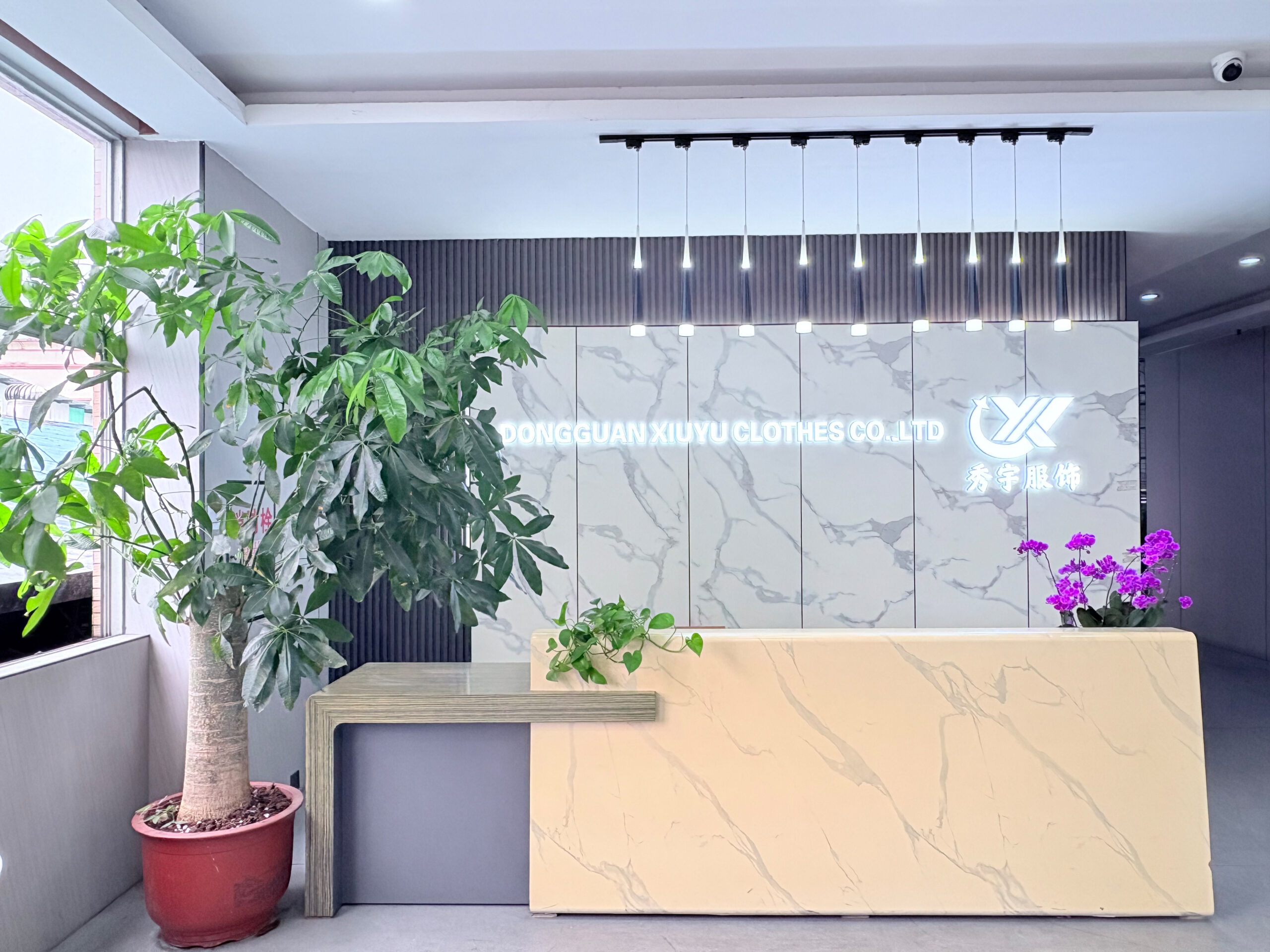
Xiuyu Apparel is a China-based clothing manufacturer specializing in custom dresses and occasionwear for fashion brands, retailers, wholesalers and private label companies.
Pattern making, fabric preparation, cutting, sewing, finishing and quality inspection are handled by the production team. This allows sample revisions and approved construction details to move more directly into bulk production.
- Inside Our Dress Manufacturing Factory
- Factory Picture
- Our Capabilities
- One-Stop Services
Our production workflow includes:
Fabric Warehouse → Fabric Inspection → Pre-Shrinking → Automatic Cutting → Sewing → In-Line QC → Pressing → Final Inspection → Packing → Shipment
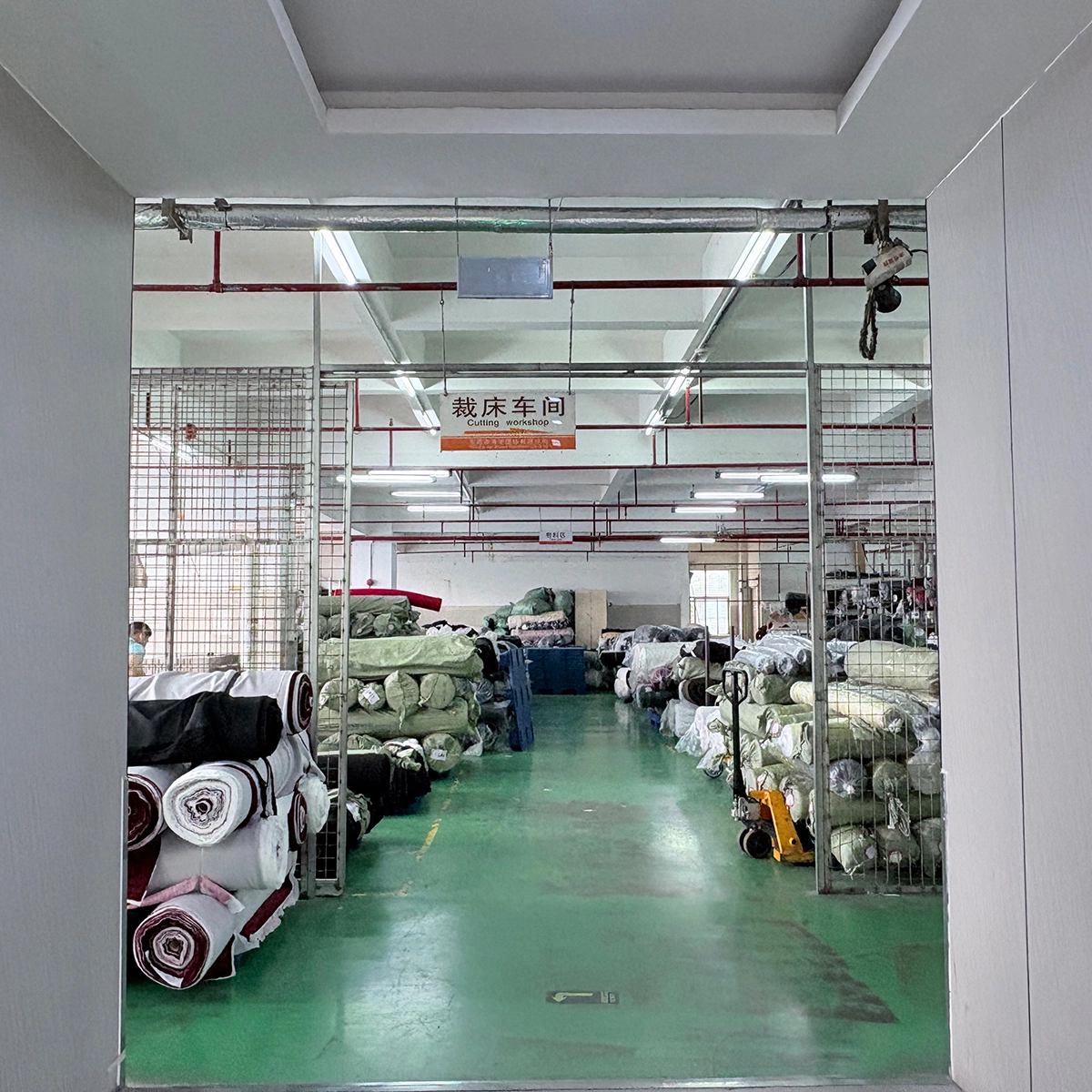
Fabric Warehouse
Fabric rolls are recorded and checked before production. Batch information is useful when the same style is later reordered.
↓
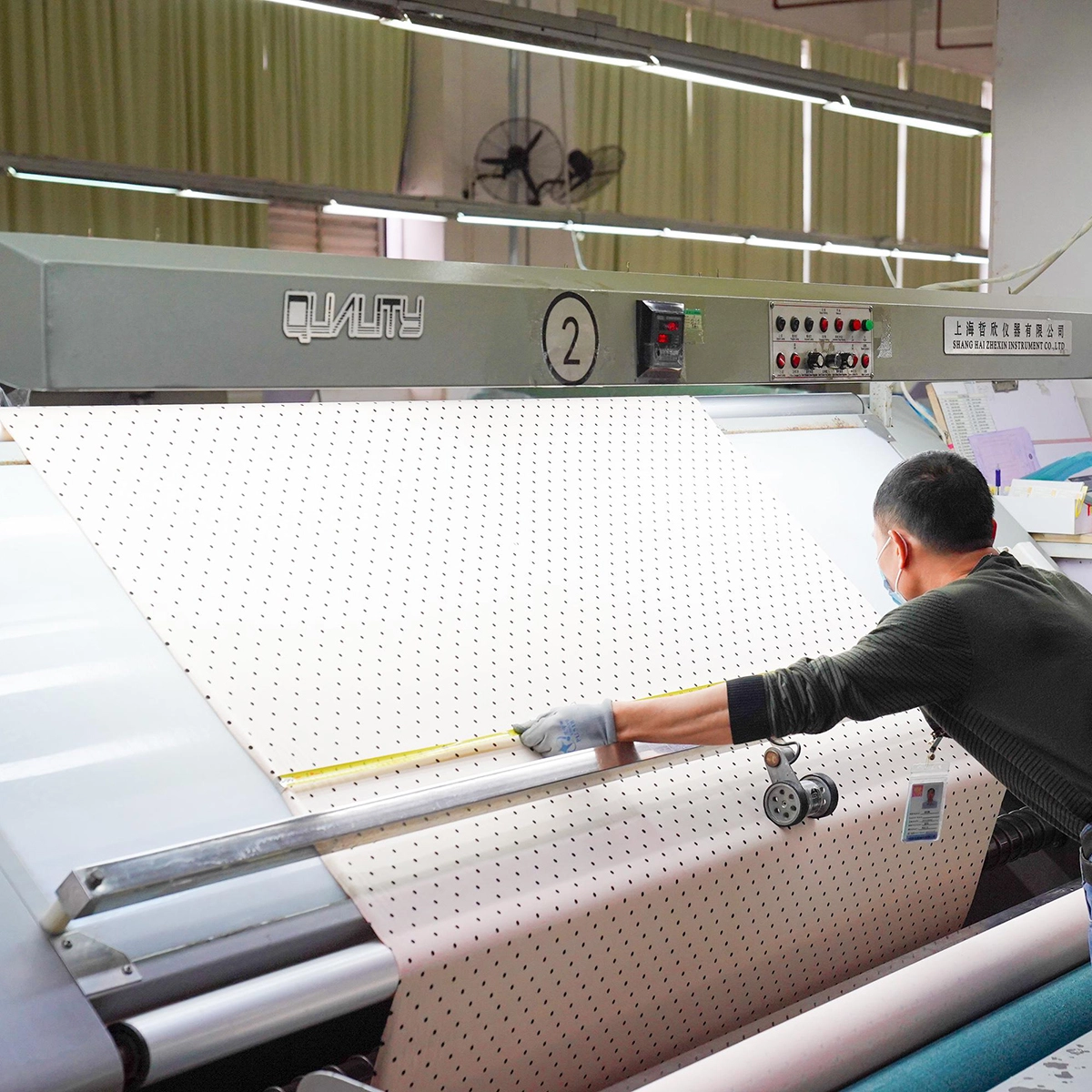
Fabric Inspection
We check fabric condition, visible defects and color consistency before cutting.
↓
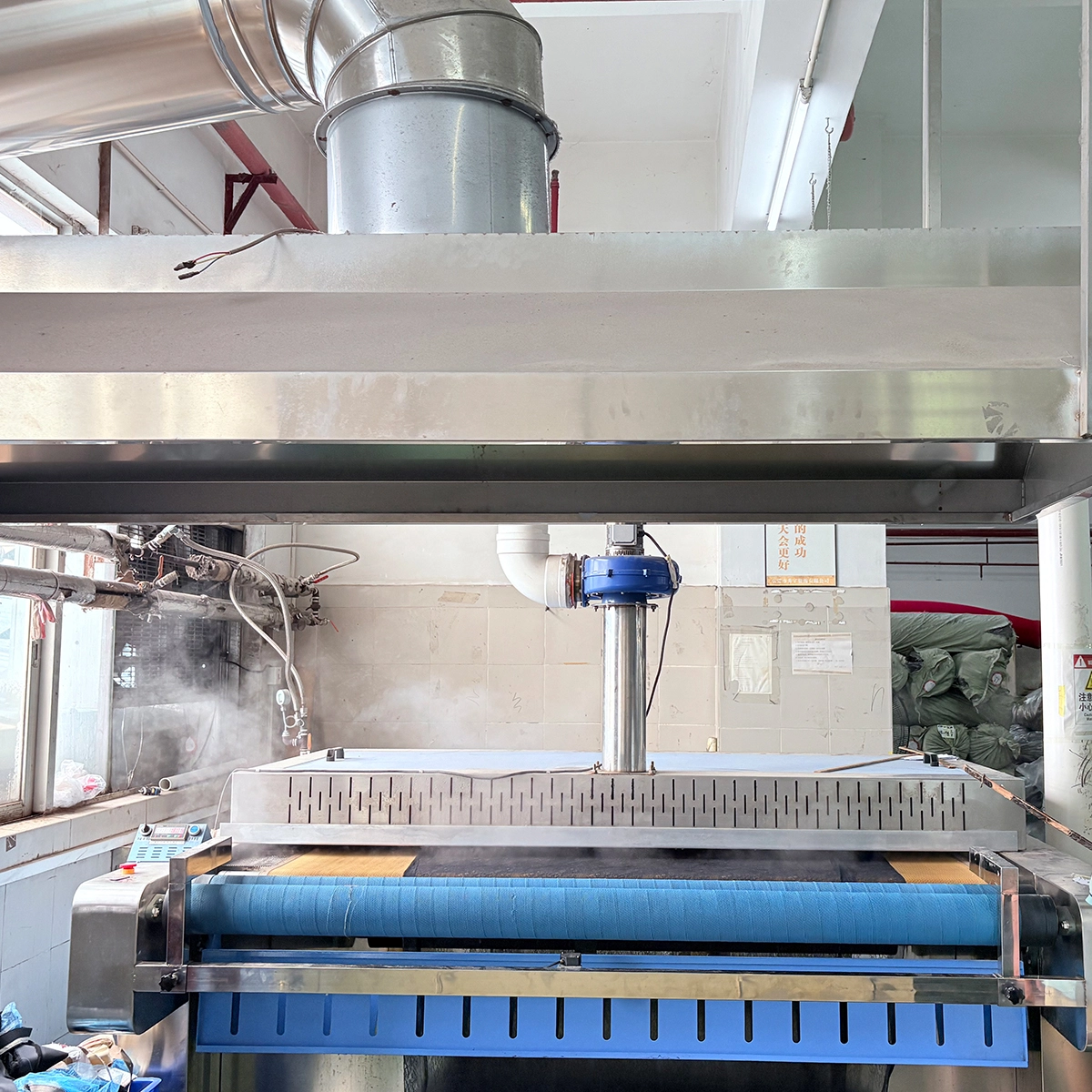
Fabric Pre-shrinking
Where required, fabric is pre-shrunk before cutting to help control dimensional changes.
↓
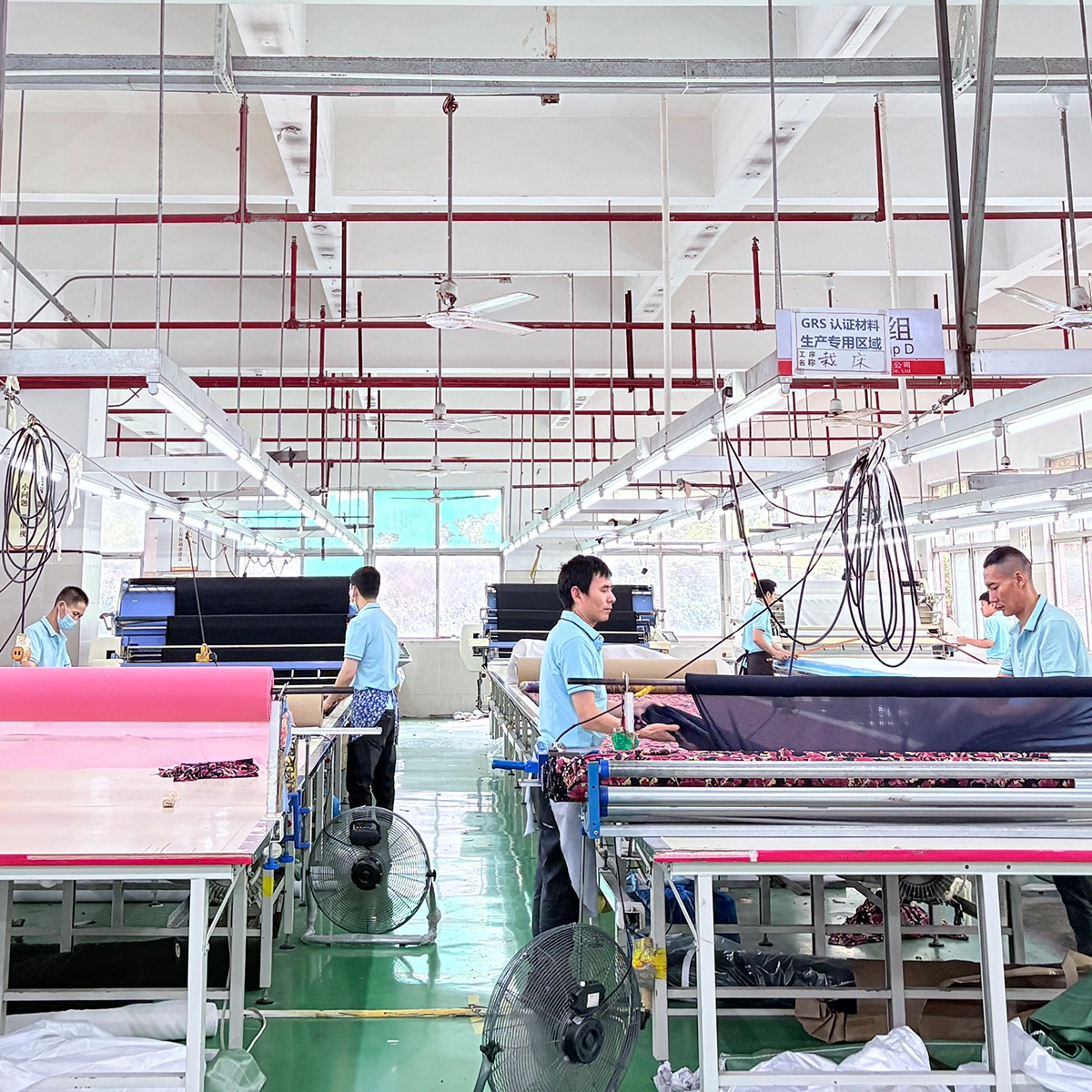
Automatic Cutting
After the pattern is approved, it is prepared for the cutting system. This keeps cutting pieces consistent and improves fabric utilization.
↓
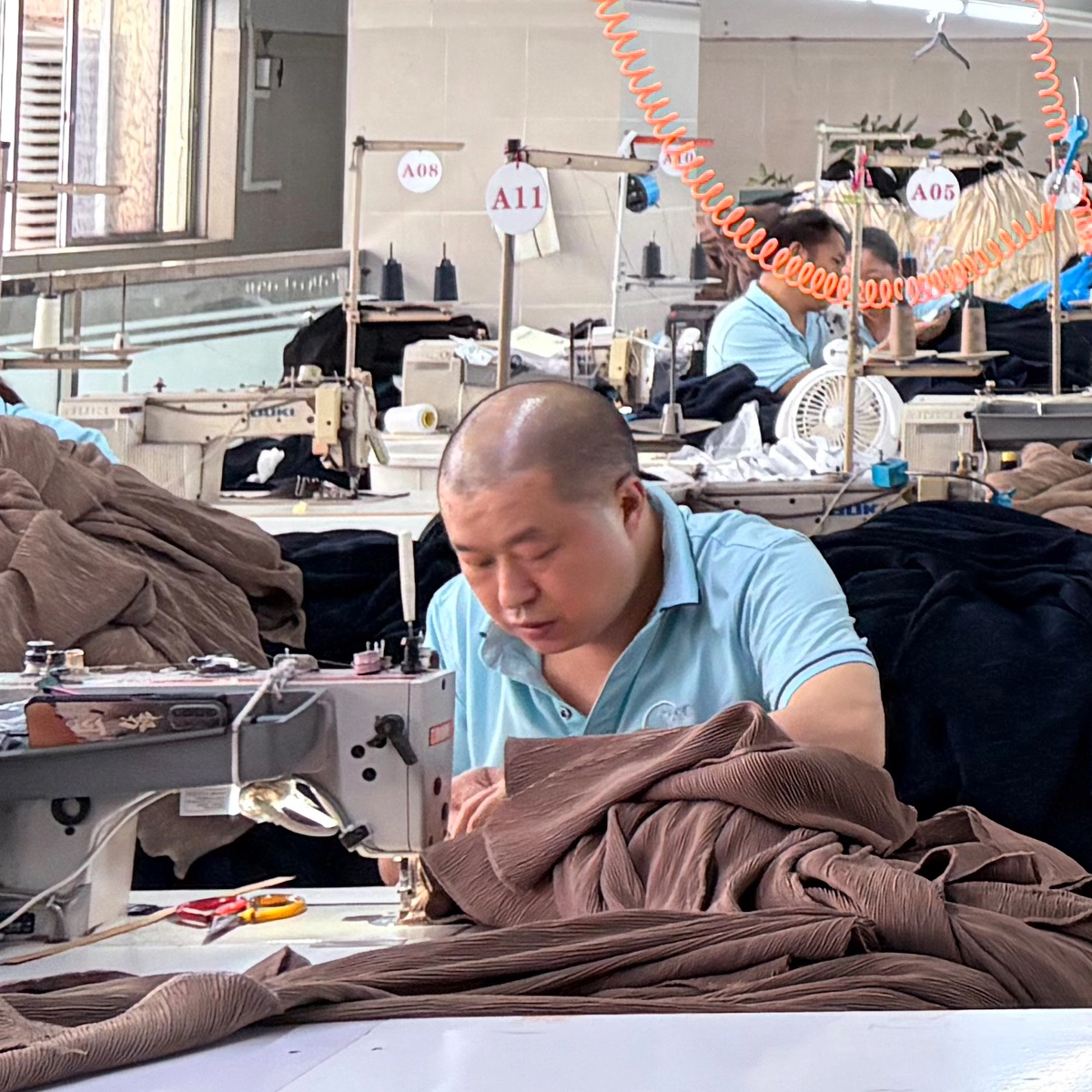
Sewing Workshop
The sewing team follows the approved sample, pattern and construction details during assembly.
↓
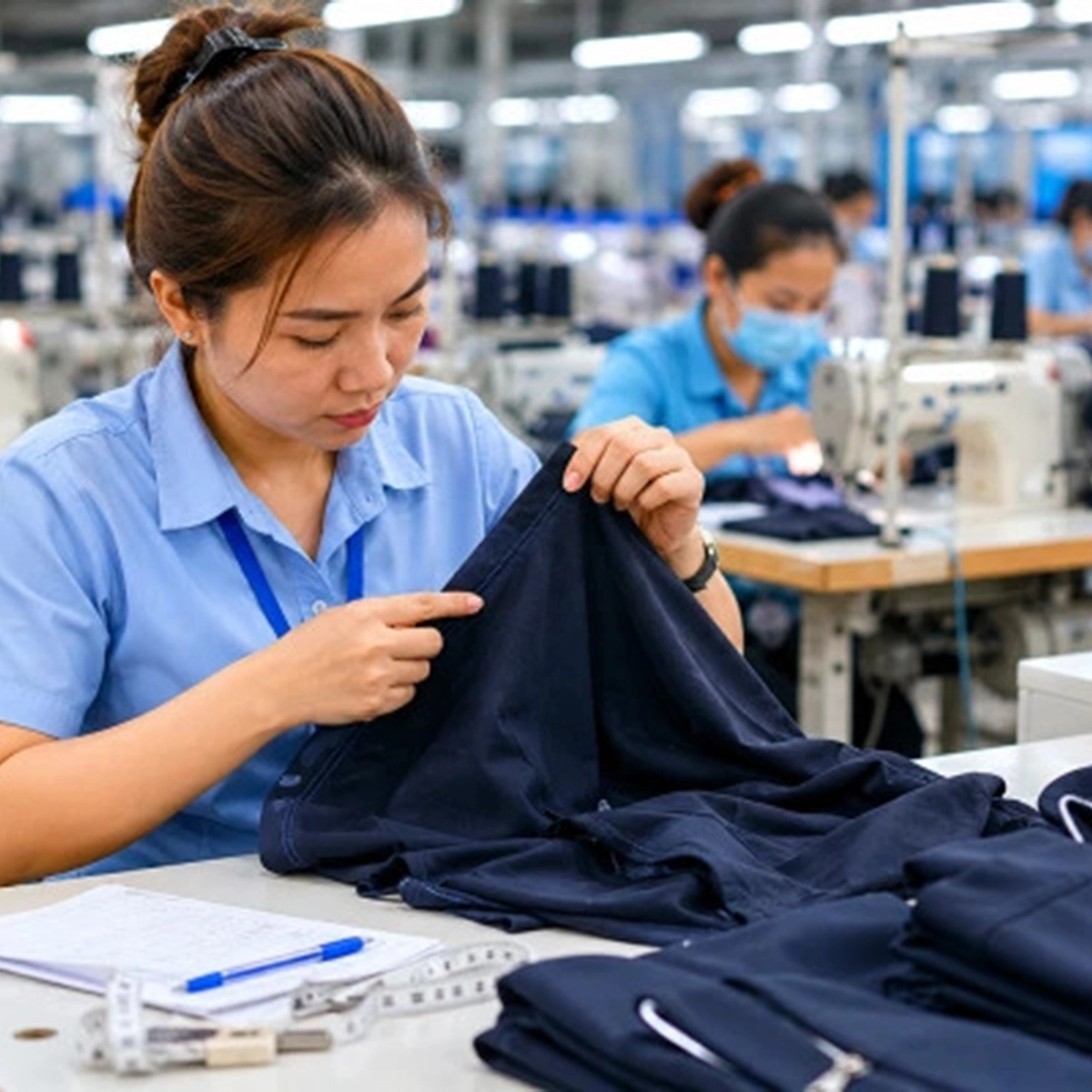
In-line Inspection
QC checks are carried out while sewing is in progress. If an issue appears on the line, it can be corrected before the same problem reaches more pieces.
↓
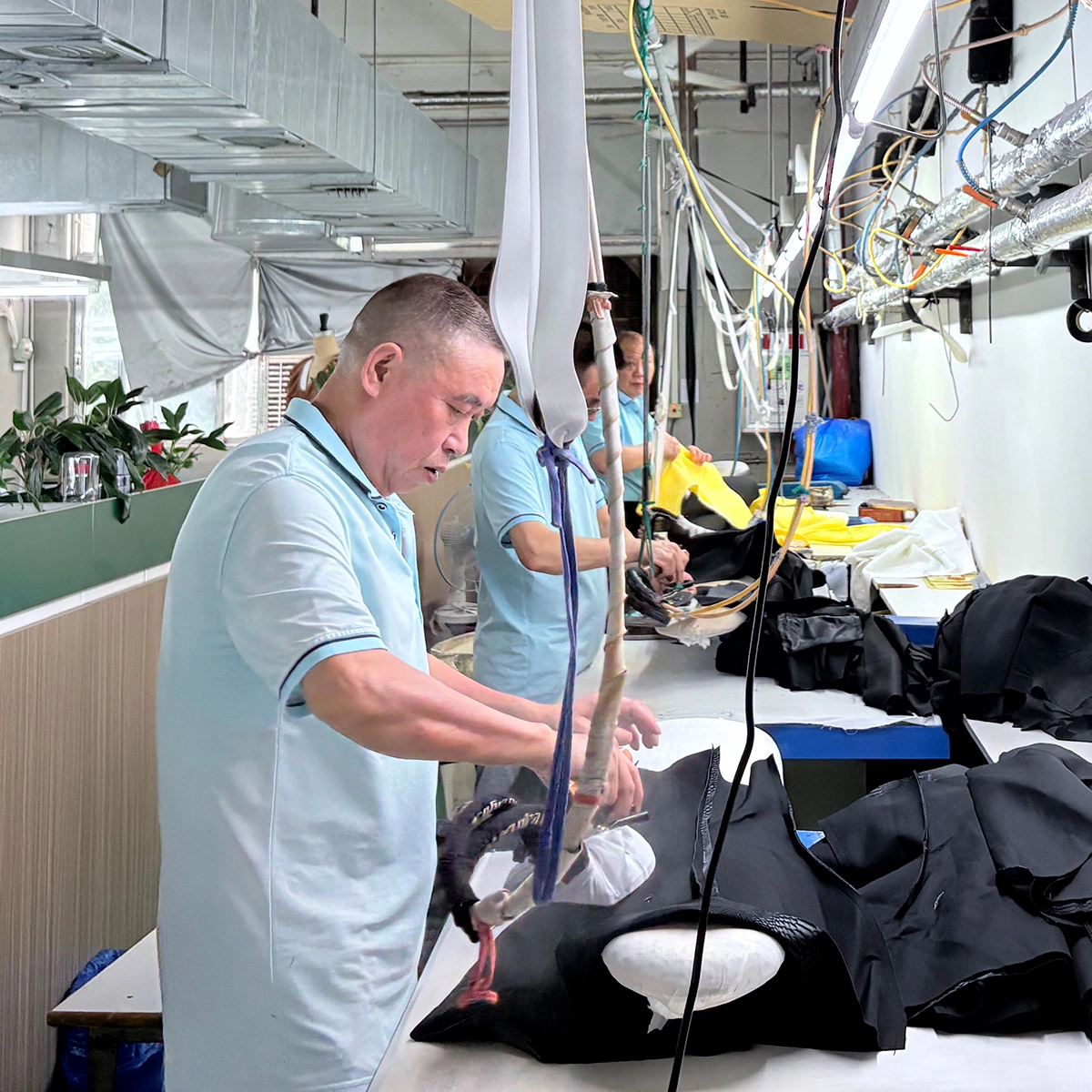
In-line Pressing
After sewing, garments are pressed during production to improve the shape and remove wrinkles before inspection. The pressing result and overall appearance are checked before the garment moves to the next stage.
↓
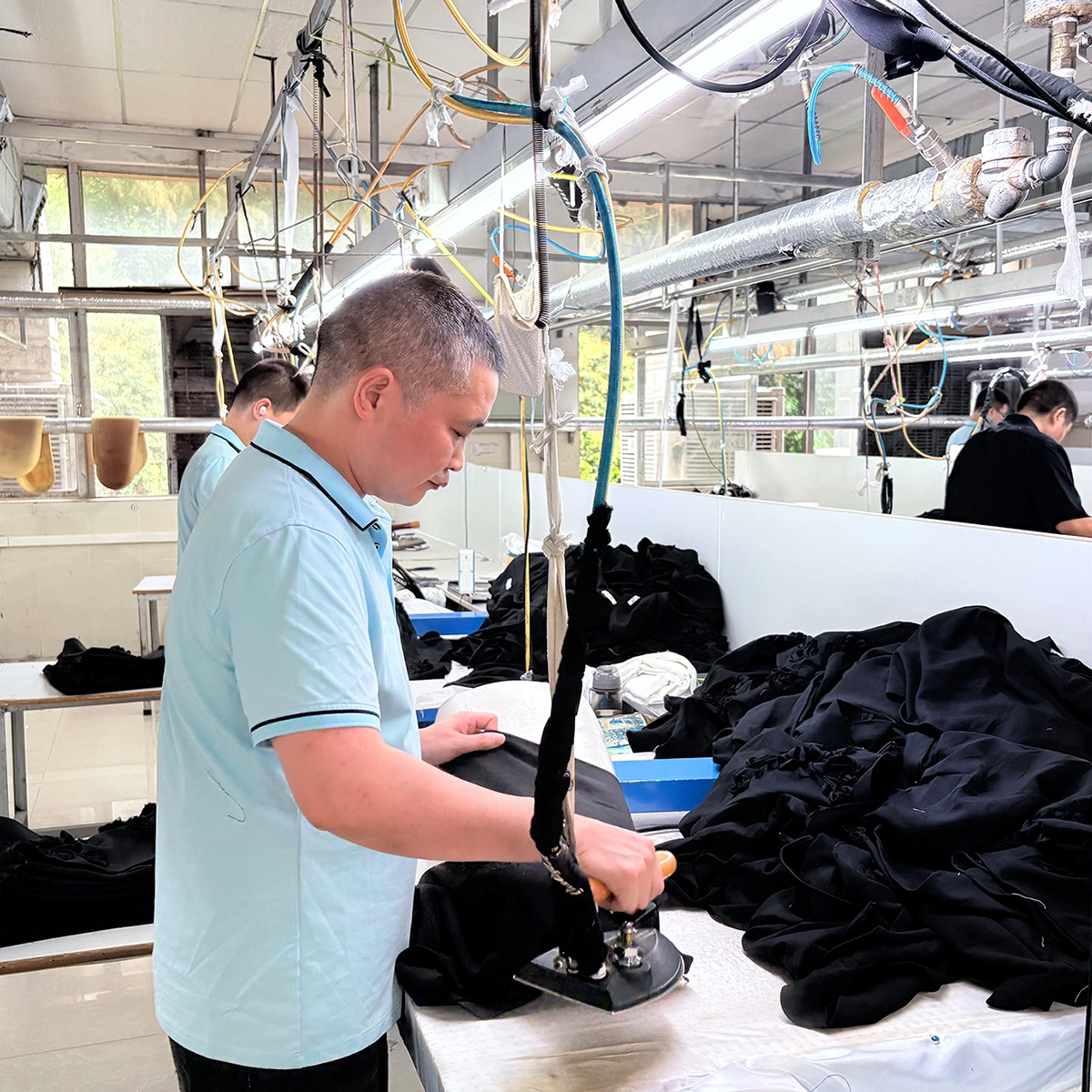
Final Pressing
Garments are pressed, threads are trimmed and finishing details are checked before final inspection.
↓
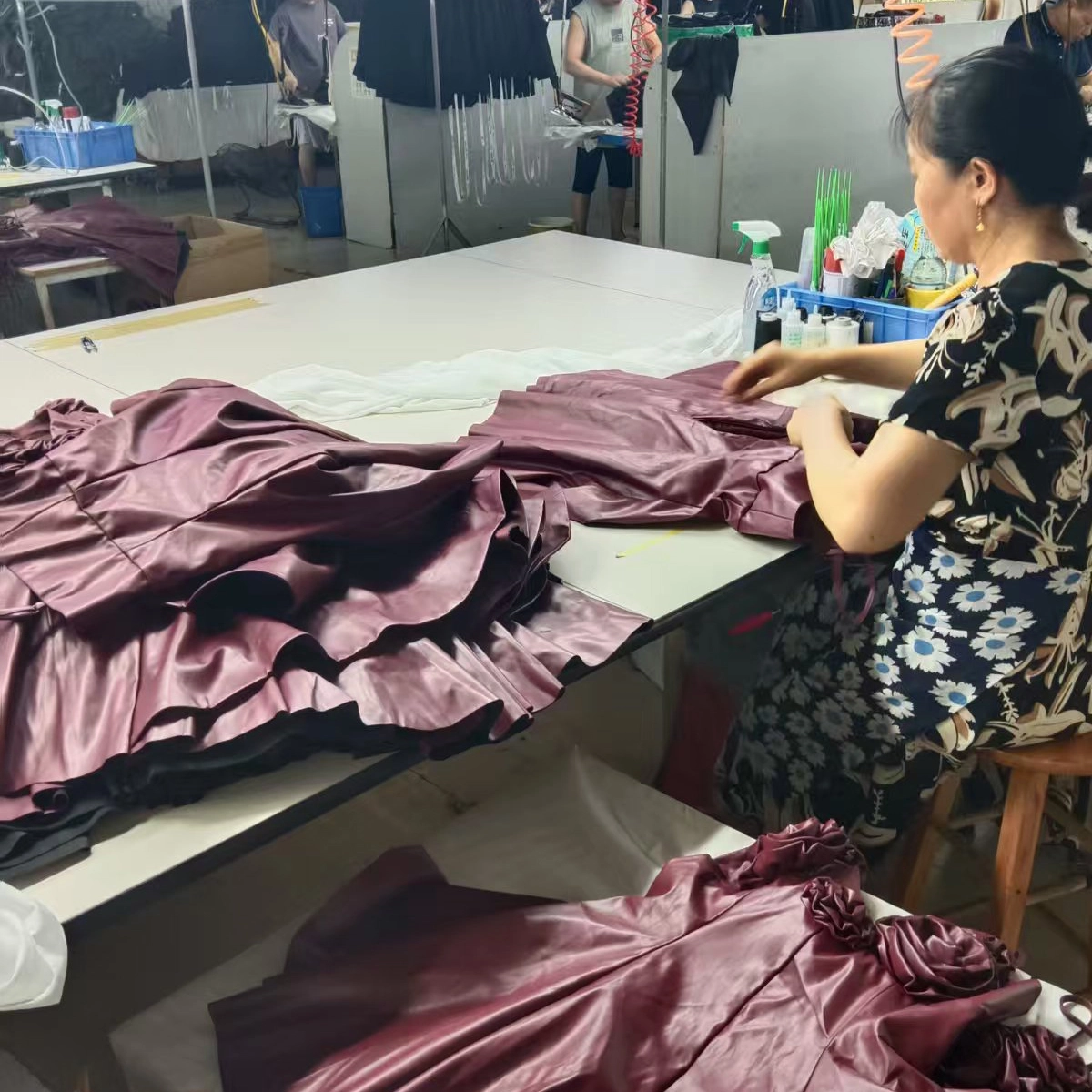
Final Inspection
The finished garments are checked against the approved sample and order requirements.
↓
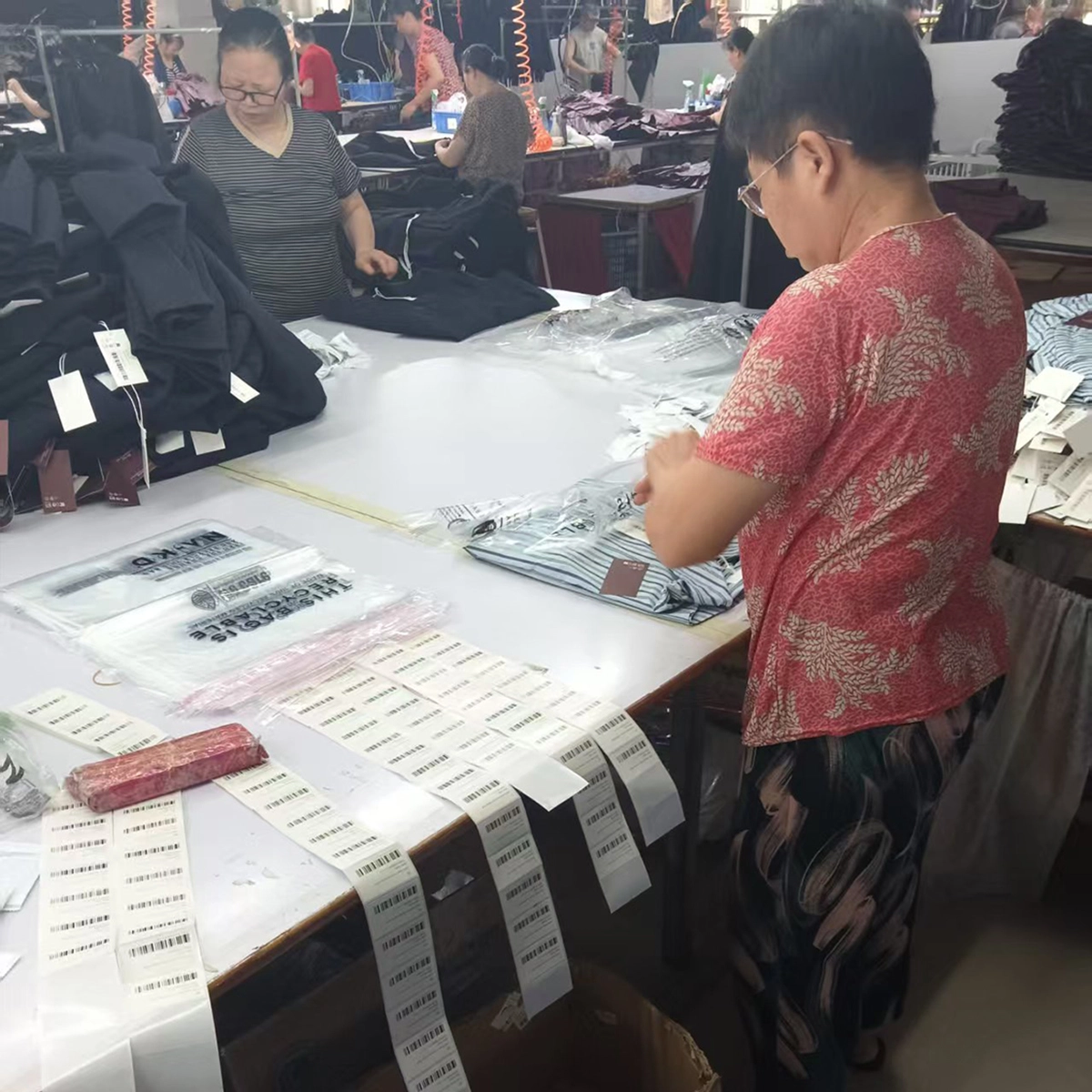
Garment Packing
Labels, tags, folding, packaging and carton requirements are confirmed before shipment.
↓
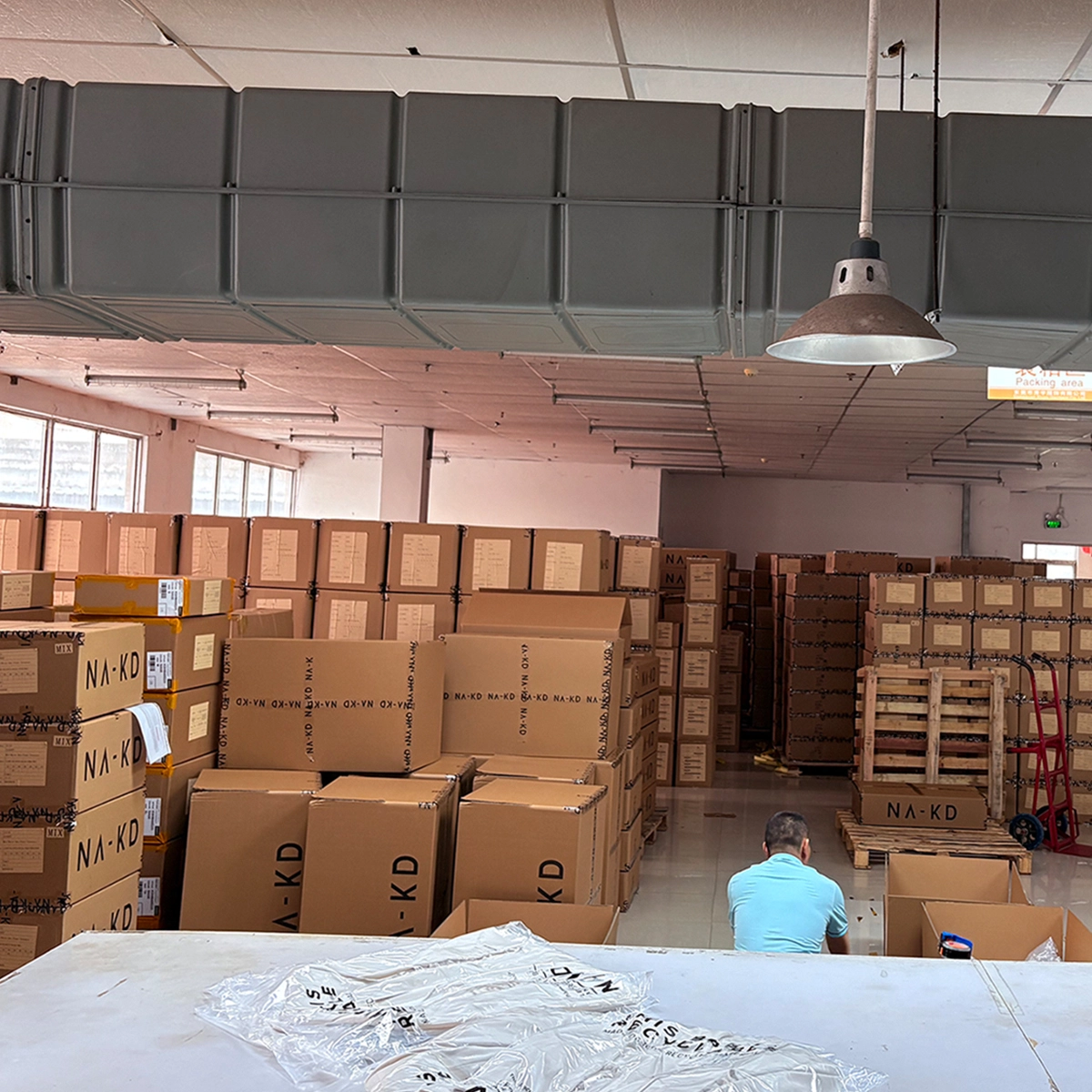
Finished Products
Finished garments are checked by style, color and size. Carton quantities, labels and packing details are verified before loading.
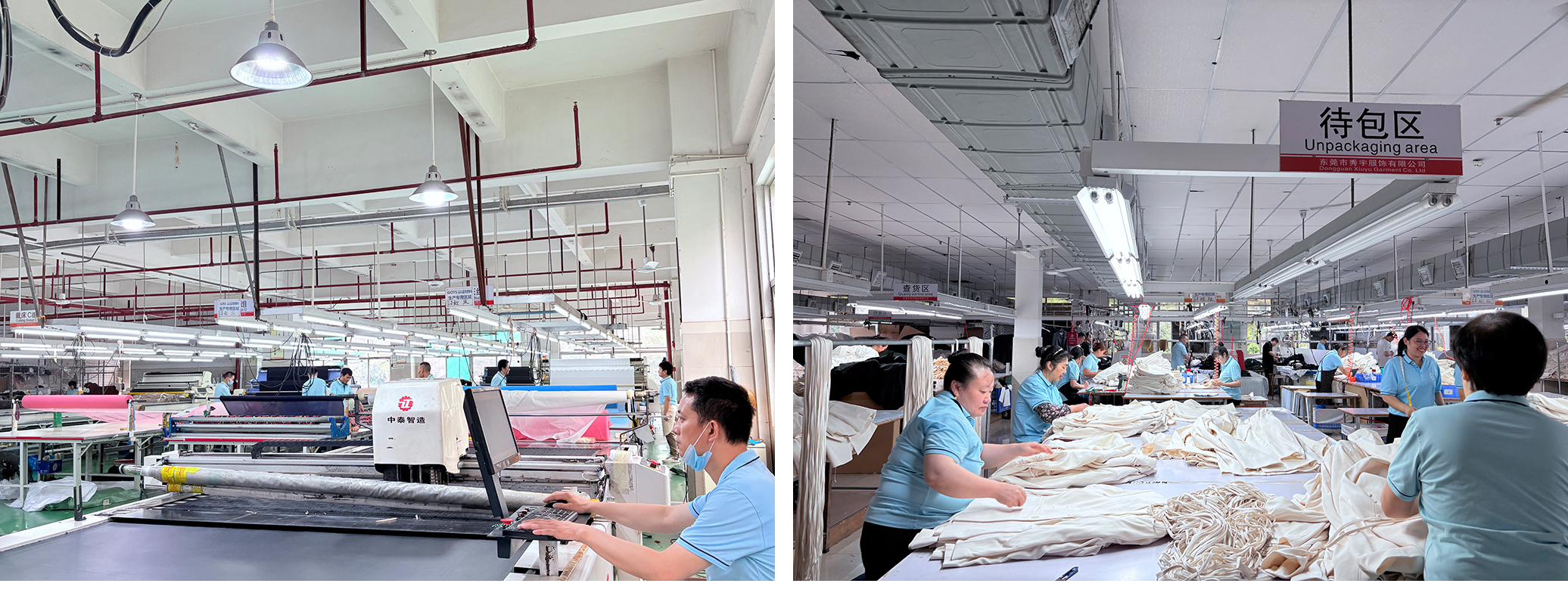 Cutting room & QC inspection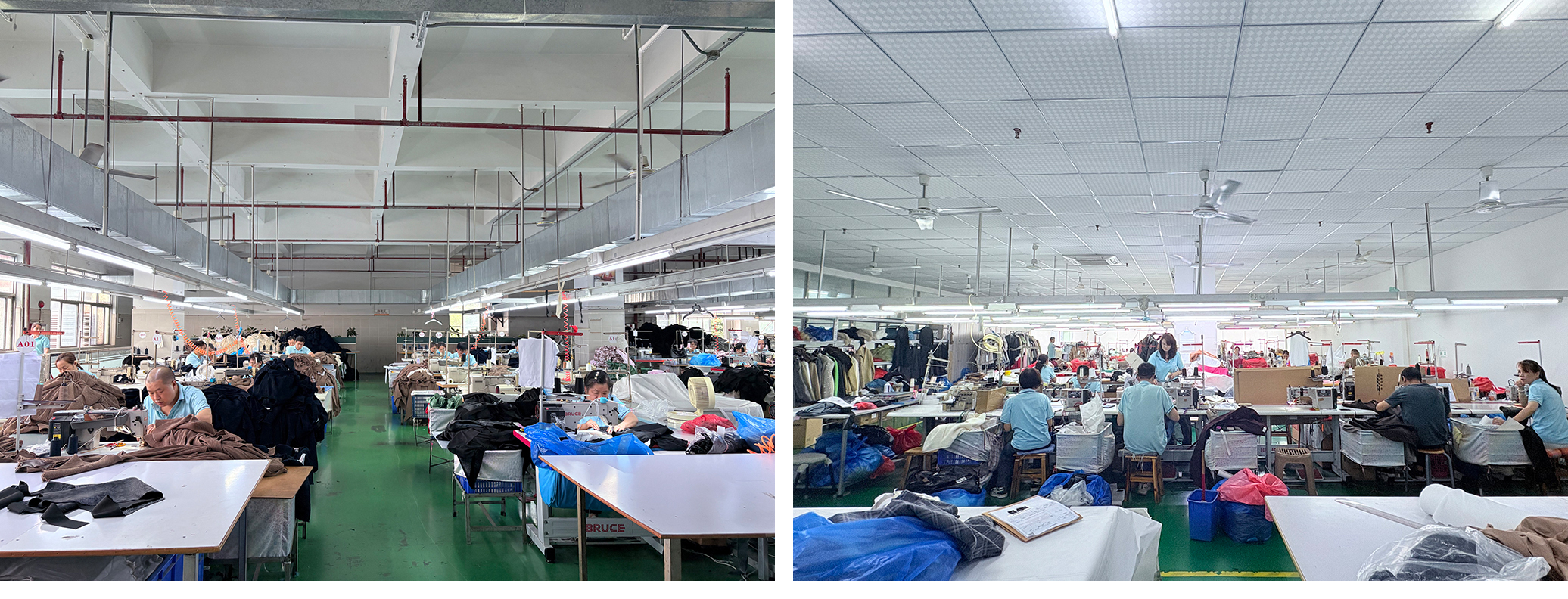
Sewing workshop
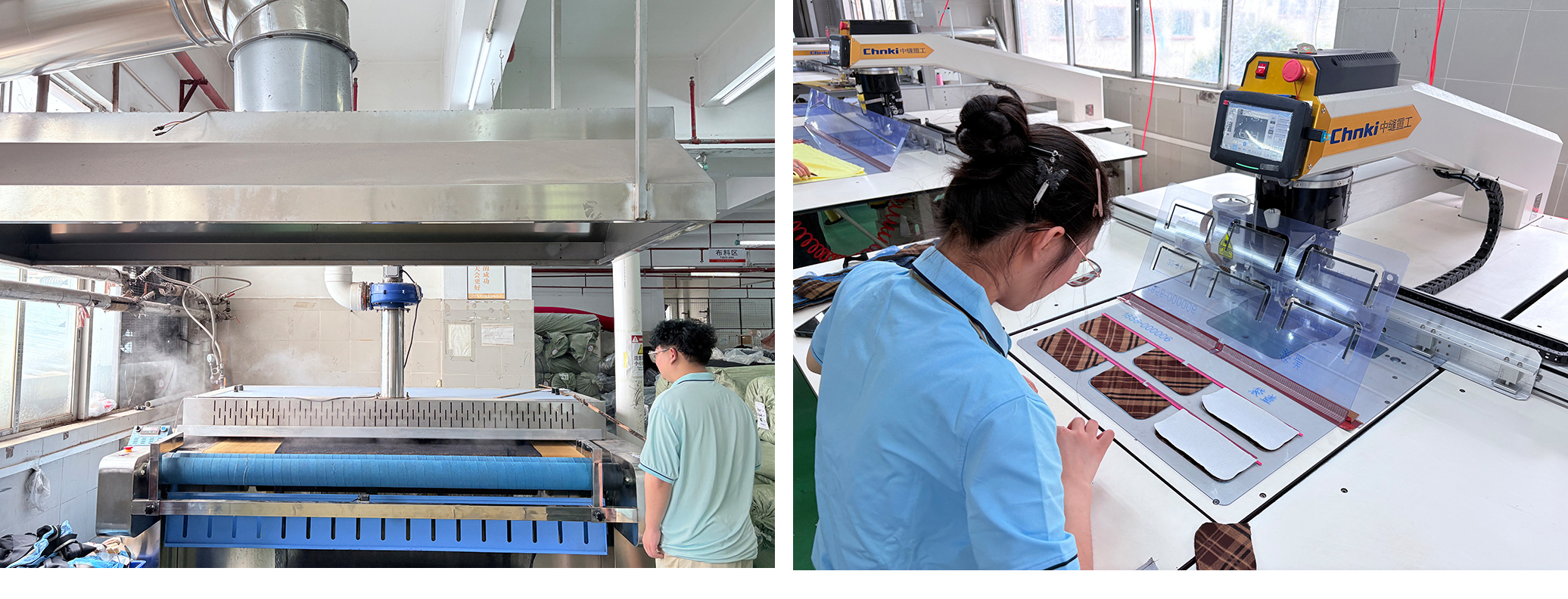 Fabric Pre-shrinking Workshop & Automatic Template Machine Workshop
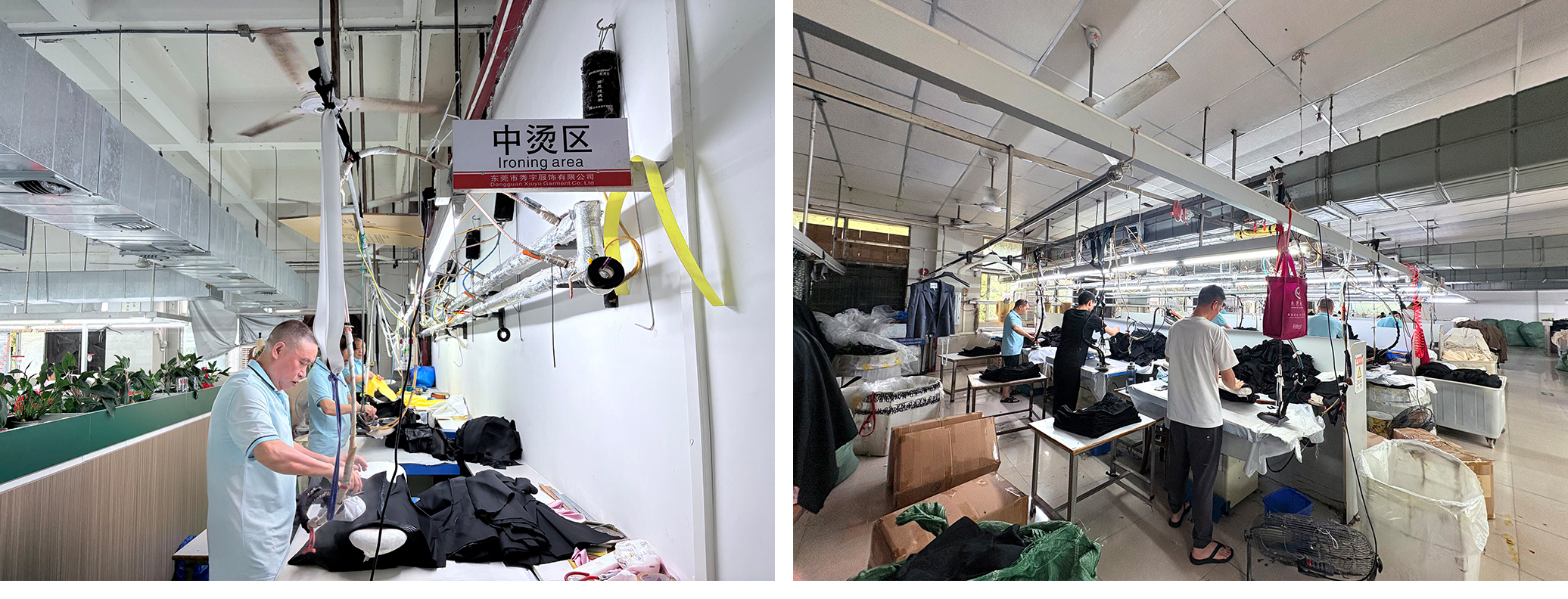 Finishing Workshop
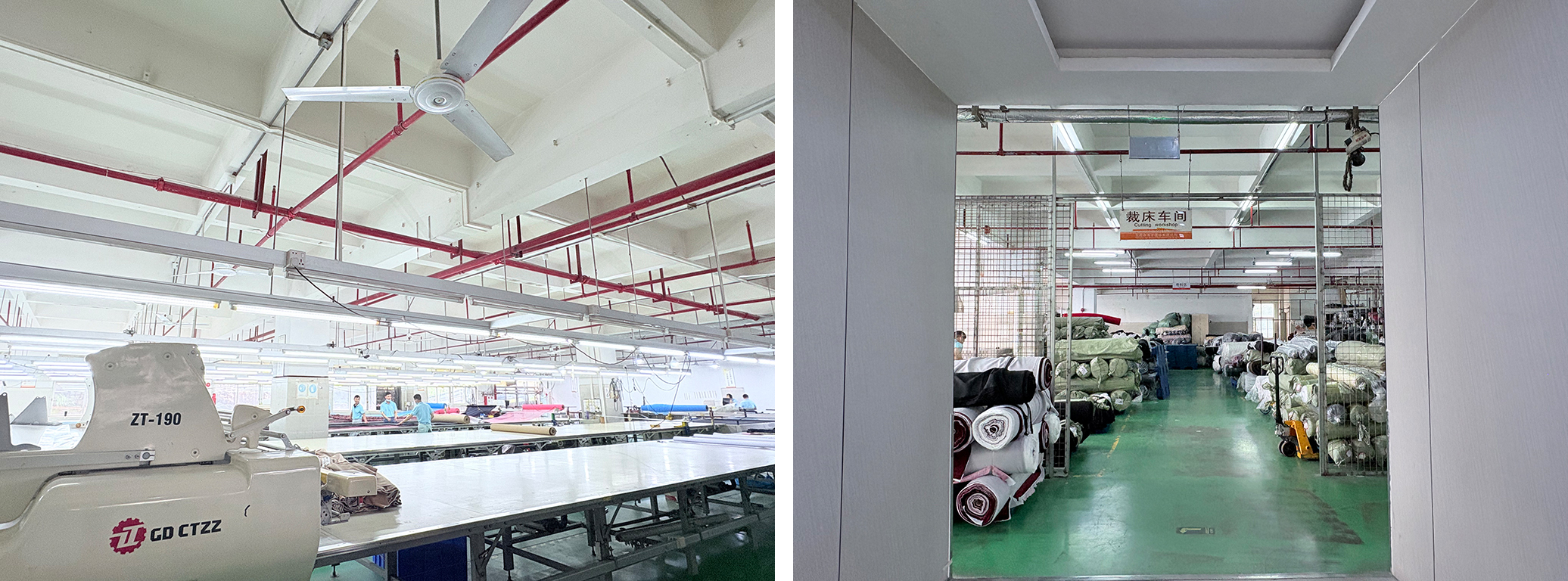
Cutting Room & Fabric warehouse
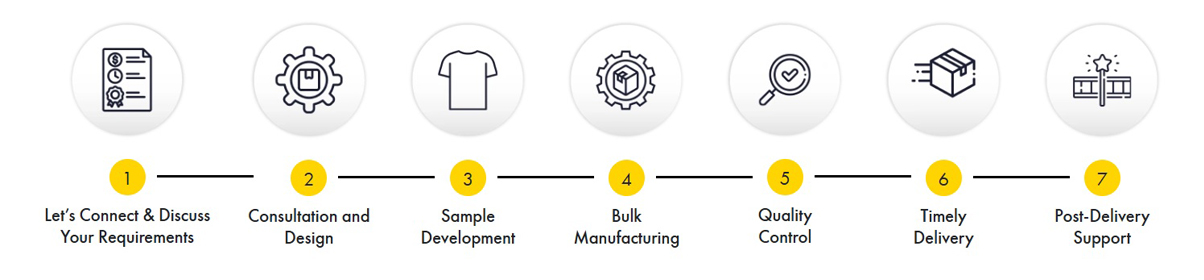
As a custom clothing manufacturer, we handle the main production steps in-house, from pattern making and sampling through cutting, sewing, finishing, and final inspection. Our team works from your tech pack, sample, sketch, or reference and checks the details before the style moves into bulk production.
Keeping these stages with one production team makes it easier to deal with pattern changes, sample revisions, and construction issues before cutting starts. We can also arrange screen printing and custom embroidery when these details are part of the design.
Explore More Dress Manufacturing Solutions
- Party Dress Manufacturer
- Midi Dress Manufacturer
- Formal Dress Manufacturer
- Evening Dress Manufacturer
- Chiffon Dress Manufacturer
Develop Your Next Wedding Guest Dress Collection With Us
If you have a wedding guest dress design ready, send us the tech pack, sketch, reference sample or photos. We review the style, fabric, construction and expected quantity before sampling.
Send Your Tech Pack →
Request a Wedding Guest Dress Quote →
Talk to Our Production Team →
Xiuyu Apparel — Clothing Manufacturer for Custom Women’s Dresses
Our usual MOQ is 50–100 pieces per style/color. This can be useful when you are testing a new collection or several designs at launch. The actual order structure can be discussed after reviewing the styles, colors and fabrics because different combinations may require different production arrangements.
Yes. A reference photo can communicate the overall design, while a physical sample gives the pattern team more information about construction and proportions. If you have both, send them together. Measurements, fabric and construction points can then be clarified before the first sample is developed.
A design image alone may not show enough production information. For a more useful quotation, send the design, estimated quantity, fabric preference, size range and major construction details. If you have a tech pack, measurement chart or reference sample, those can make the costing review much more precise.
Fabric is inspected before it reaches bulk cutting. We check for visible defects, shade variation and other issues that could affect the finished garments. For fabrics where shrinkage is a concern, pre-shrinking can also be considered before the pattern is used for bulk cutting.
Yes. You can send your own measurement chart and size specifications. This is useful when your brand follows a particular customer measurement system rather than a standard size range. The pattern team can work from those measurements during development and review the proportions across the requested sizes.
If the print needs to appear in a particular position, provide the artwork and placement requirements before bulk cutting. Center-front placement, panel matching and print direction can affect the cutting layout. Reviewing these details early is much easier than trying to correct an unsuitable placement after the garments have been sewn.
Yes. Full or partial lining can be developed according to the fabric and garment construction. Lightweight chiffon, mesh and pale fabrics may require more coverage, while some structured styles may use lining for support as well as appearance. The lining specification can be confirmed during sample development.
Bulk production is usually 25–30 days after PP sample approval and fabric confirmation. This timing is based on having the production reference and materials ready. If the design changes after PP approval or the required fabric is not available, the production schedule needs to be reviewed accordingly.
Yes. You can specify woven or printed labels, size and care labels, hangtags, barcodes, polybags, cartons and boxes. Providing these requirements before production allows the garment and packing specifications to be coordinated rather than adding packaging changes after the order has already entered production.
Yes. You can send your preferred composition, appearance, weight or fabric reference, and we review sourcing options. If you are unsure which material suits the design, the fabric should be considered together with the silhouette because chiffon, satin, crepe and linen blends can produce very different results from the same pattern.