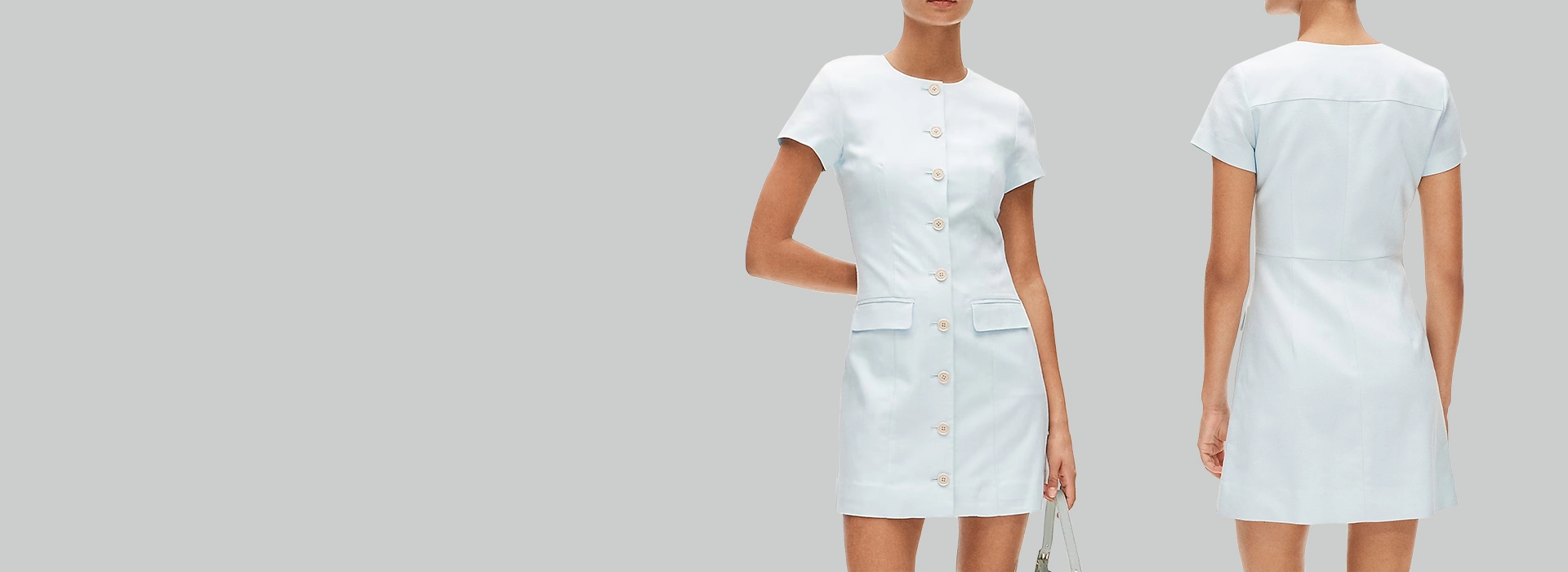
Why Work With Xiuyu Apparel for Sheath Dress Manufacturing?
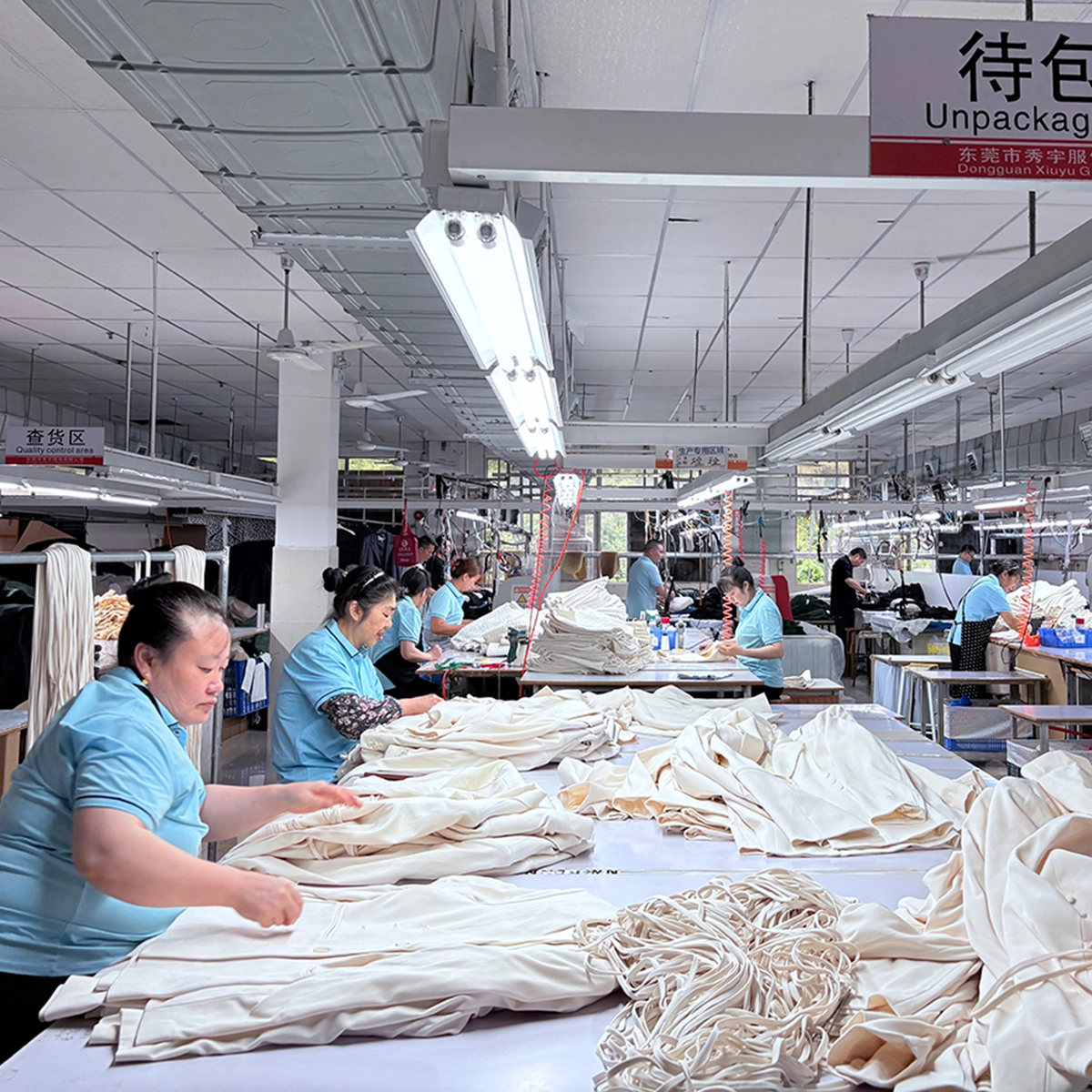
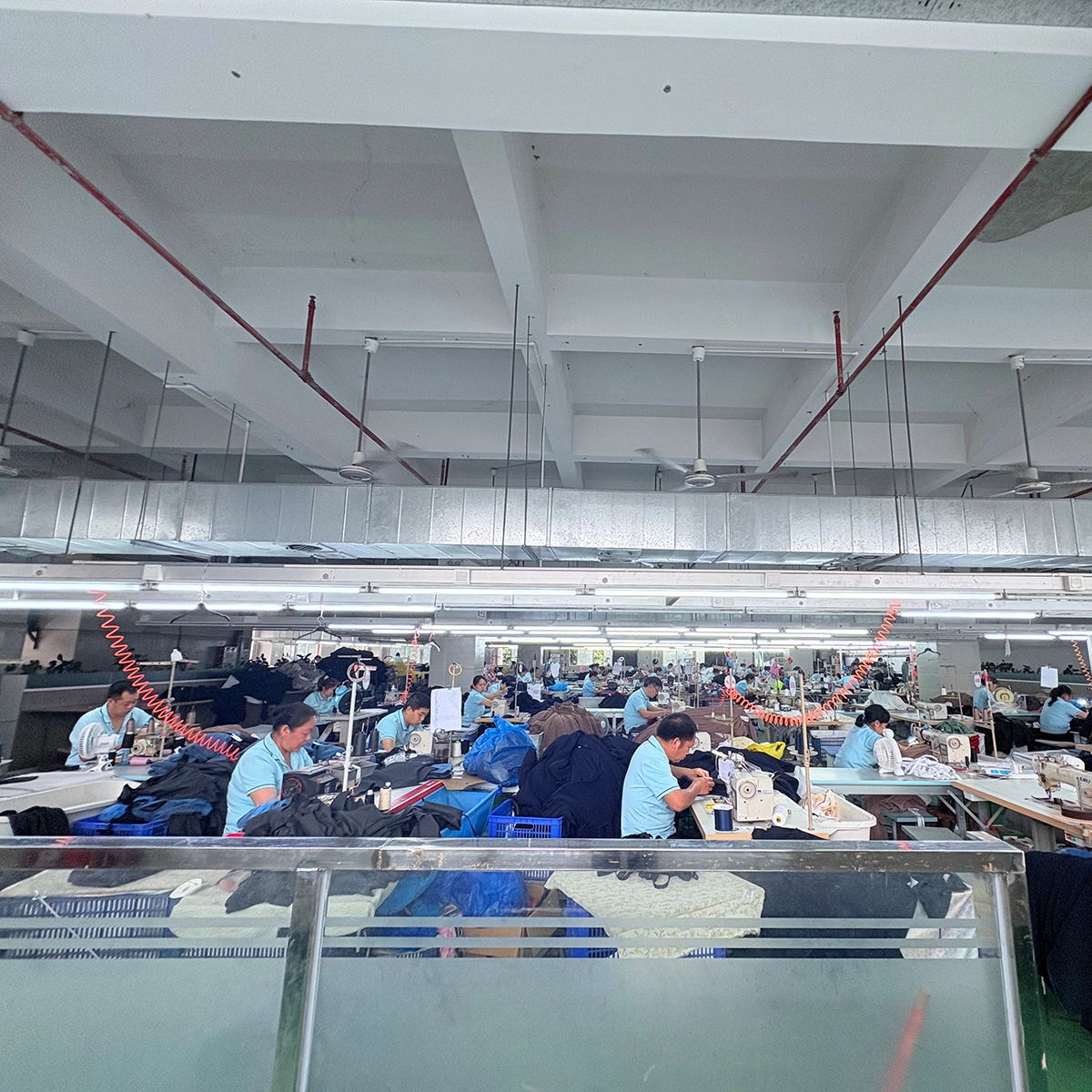
Since 2007, Xiuyu Apparel has been making dresses in our own factory. As a China-based dress manufacturer, our team handles pattern development, sampling, cutting, sewing, pressing, and final inspection with our own production teams.
For sheath dress production, we pay close attention to:
- Pattern accuracy for fitted silhouettes
- Bust, waist and hip balance
- Fabric stretch and recovery
- Lining and construction details
- Zipper installation and finishing
- Final pressing quality before shipment
Who We Manufacture Sheath Dresses For
We work with fashion startups, independent designers, boutique brands, online retailers, private label companies, and wholesale buyers.
Many of our customers come to us with an initial idea, reference garment, or tech pack and need support turning the design into a production-ready sample.
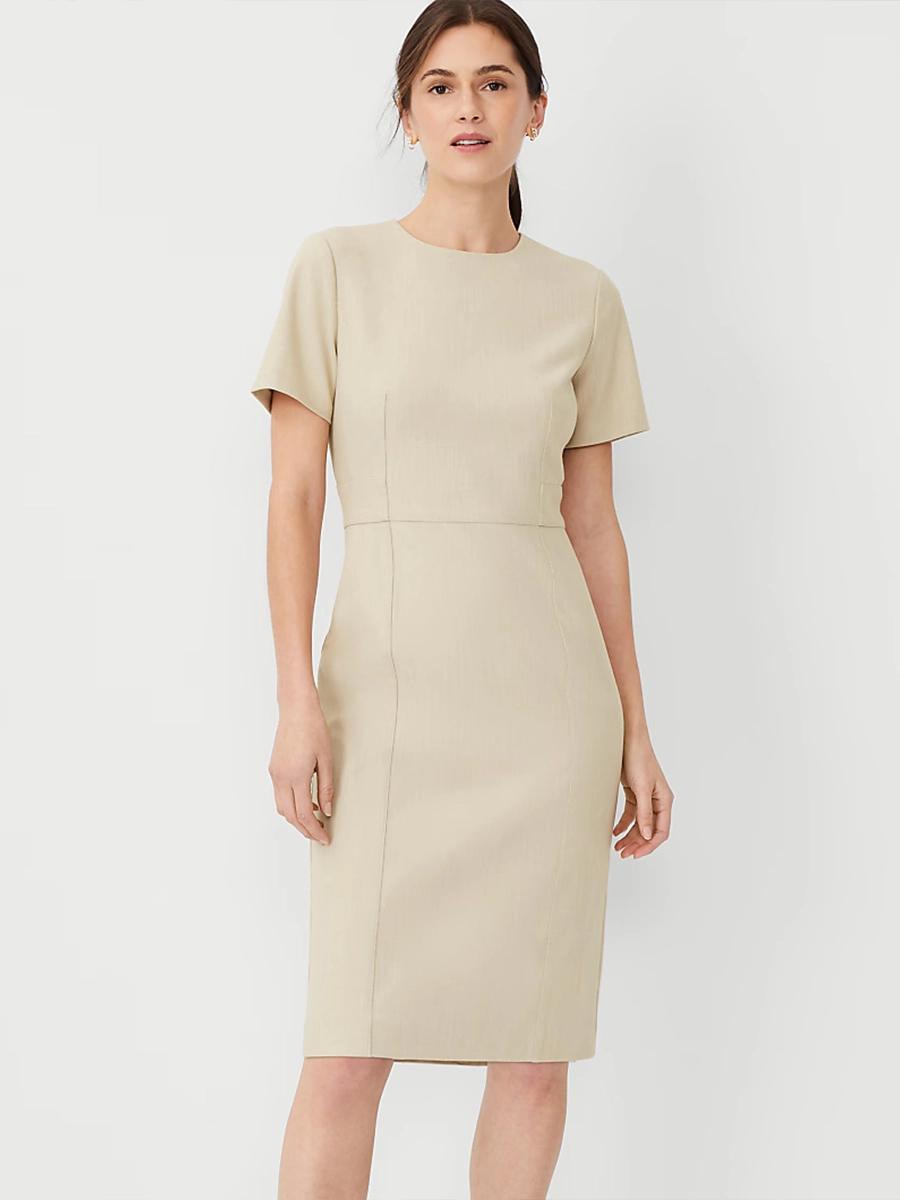
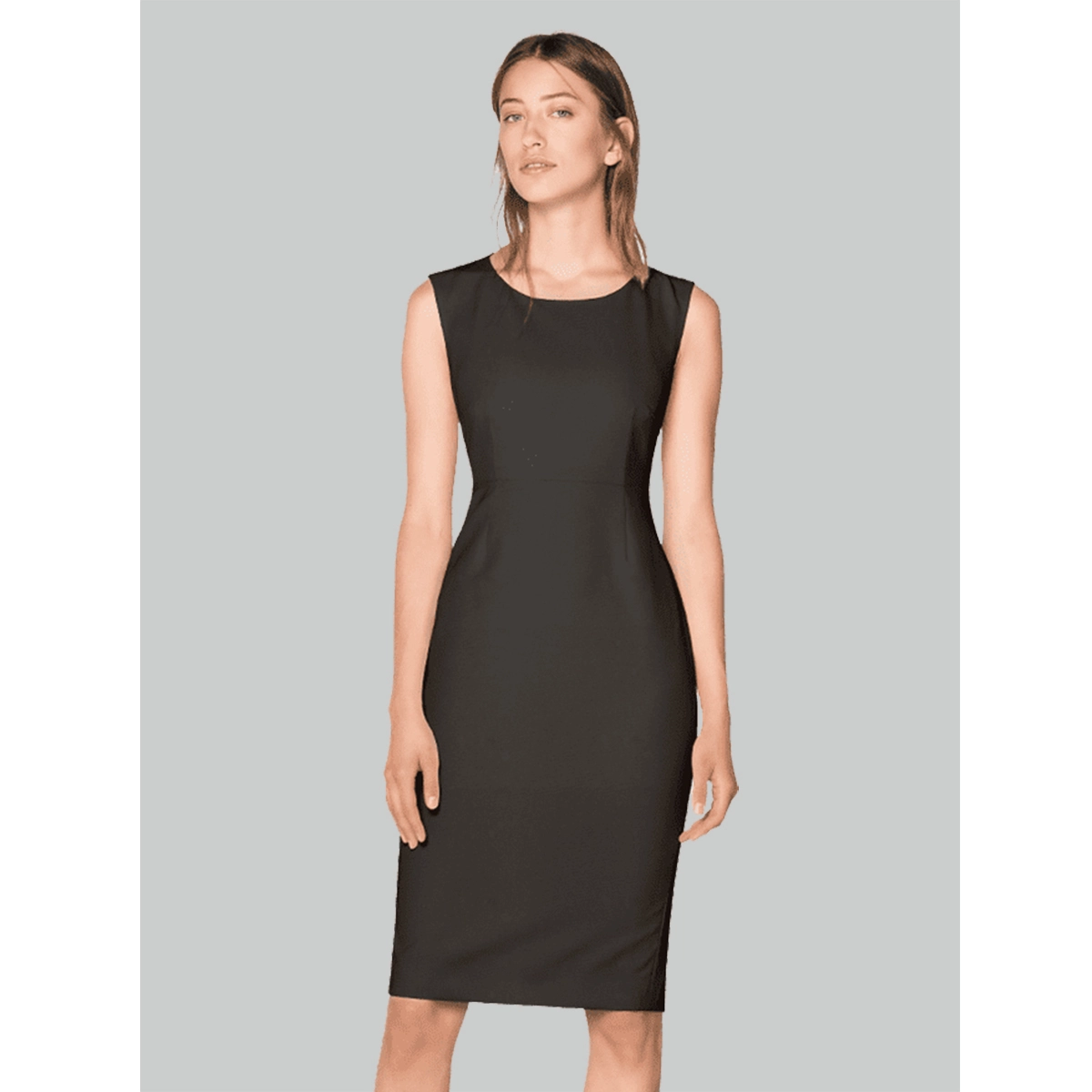
Sheath dress projects often involve different fabrics, silhouettes, and construction requirements. Before sampling, our team reviews these details to confirm the production approach. Whether it is a simple everyday style or a structured occasion dress, our team works through sampling and production details before bulk manufacturing. As an experienced clothing manufacturer, we also help customers review fabric choices, construction methods, and production requirements before sampling. Explore our dress collection to view more dress styles and manufacturing options.
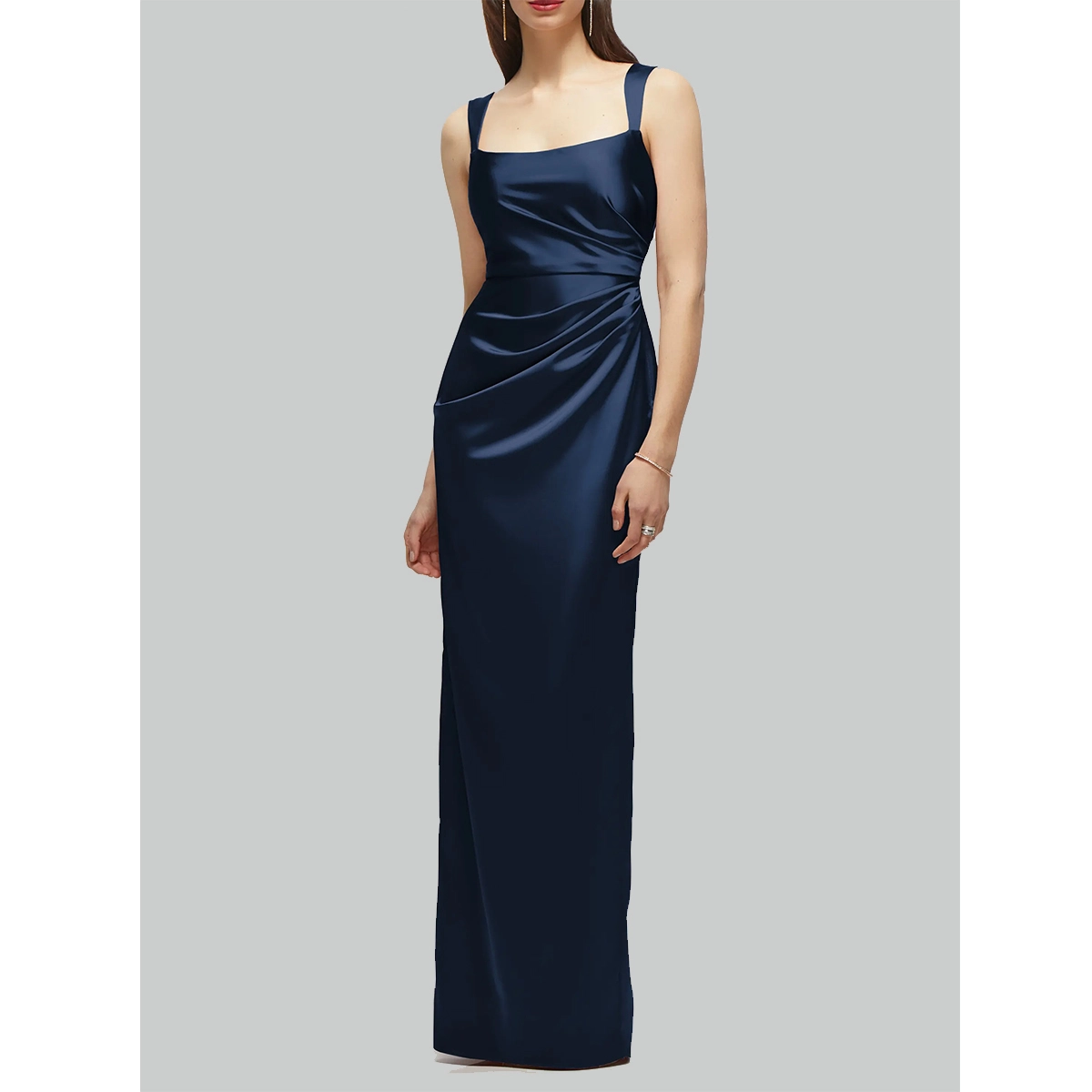
Custom Sheath Dress Manufacturer for Fashion Brands
Since 2007, Xiuyu Apparel has been producing dresses for fashion brands, retailers, boutiques, and private label companies.
Our own production team manages pattern development, sampling, cutting, sewing, pressing, and final inspection. From the first sample to bulk production, our team follows the order through each production step.
Sheath dresses require tighter fitting control because the silhouette sits close to the body. Small changes in waist position, hip allowance, seam placement, or fabric recovery can affect the final appearance.
If you are developing a new collection, you can send us a tech pack, sketch, reference garment, fabric sample, or even an early design concept. Our team can review the production details and help confirm the steps needed before sampling.
Product Specifications
| Item | Details |
|---|---|
| MOQ | 50-100 pcs per style per color |
| Sample Development Lead Time | 3-7 days |
| Bulk Production Lead Time | 25-30 days |
| Fabric Sourcing | Support |
| Pantone Color Matching | Supported |
| Logo Printing | Available |
| Fabric Options | Satin, Crepe, Chiffon, Silk, Cotton, Linen, Velvet, Stretch Fabrics & Custom Fabrics |
| Custom Options | Fabric, Color, Size, Labels, Packaging & Design Details |
| Fabric Inspection | Supported |
Types of Sheath Dresses We Manufacture
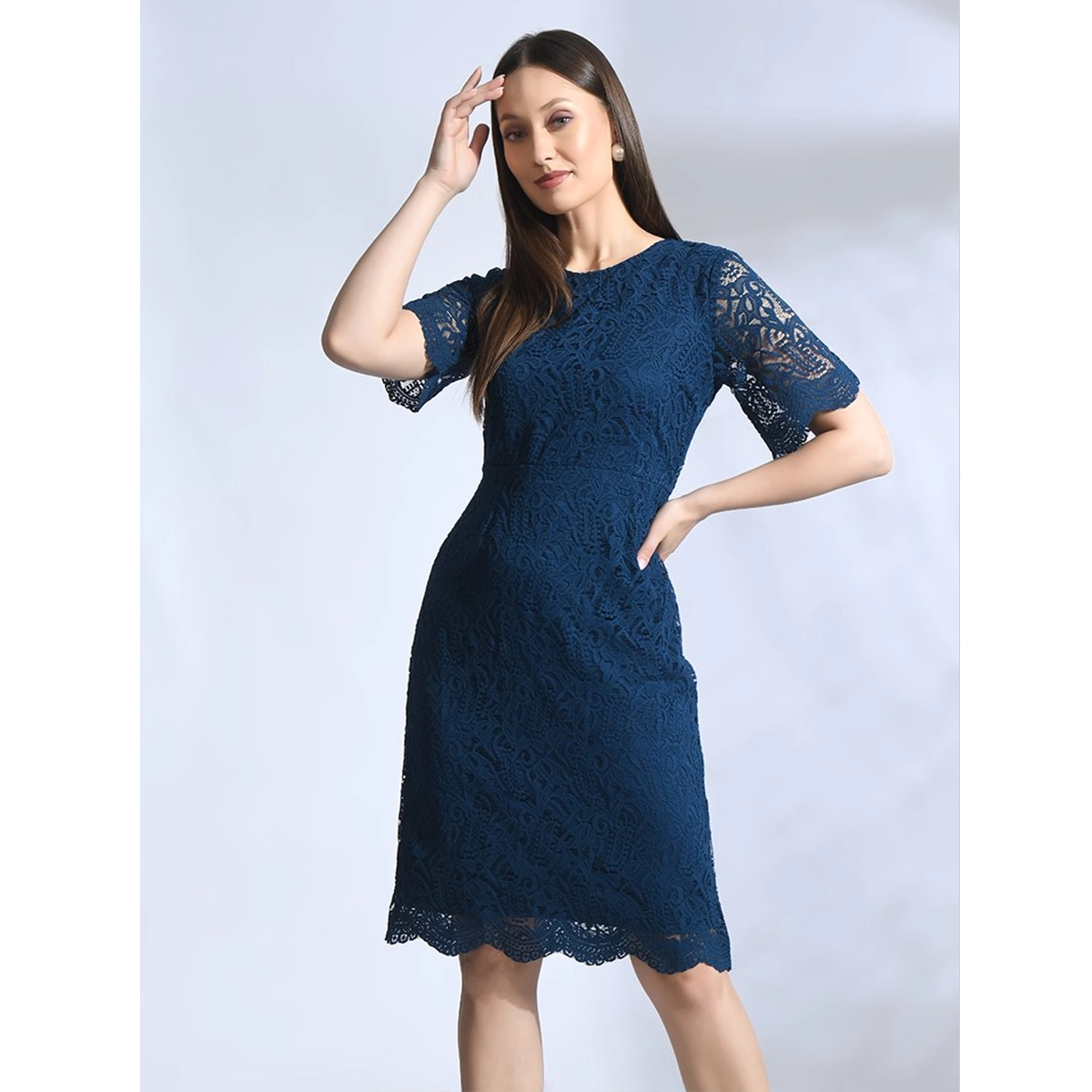
Lace Sheath Dress
Lace sheath dresses need accurate cutting and sewing alignment. We check lace placement, seam matching, and lining construction to keep the fitted shape clean.
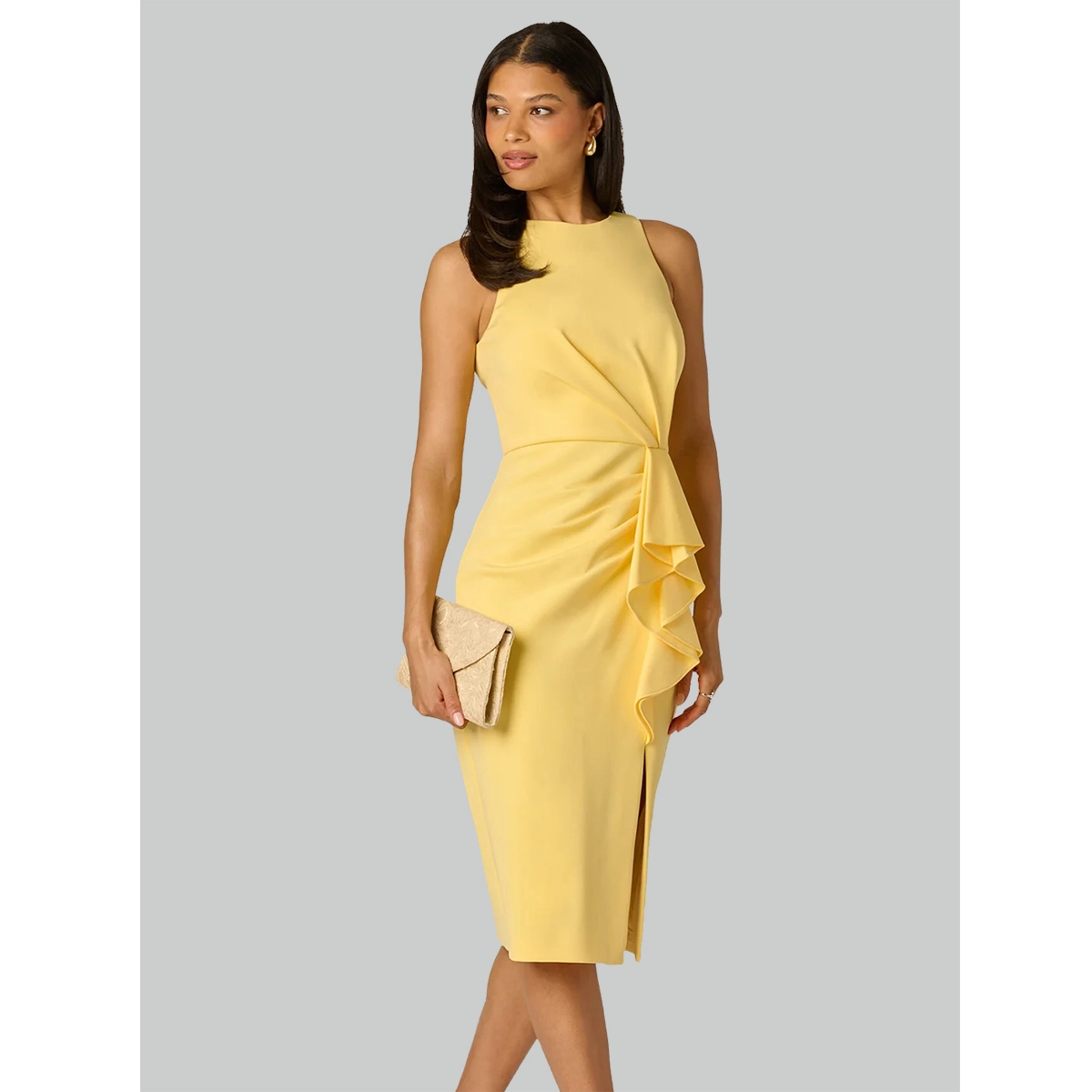
Stretch Sheath Dress
For stretch sheath dresses, fabric recovery and pattern adjustment are important during development. We test elasticity, body fit, and seam strength before bulk production.
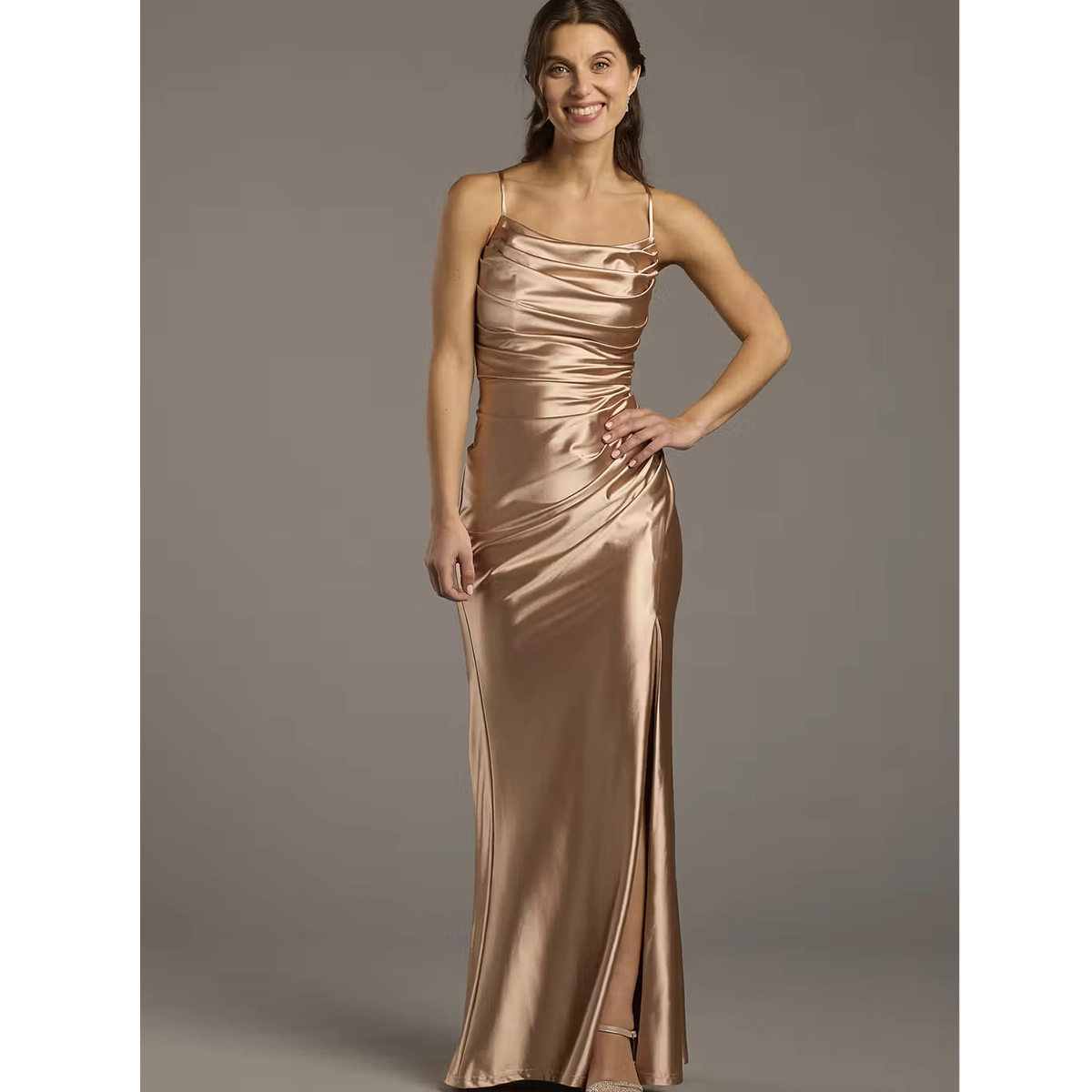
Satin Sheath Dress
Satin sheath dresses can show sewing marks, pressing marks, or surface imperfections more easily. We control fabric handling, pressing temperature, and seam finishing during production.
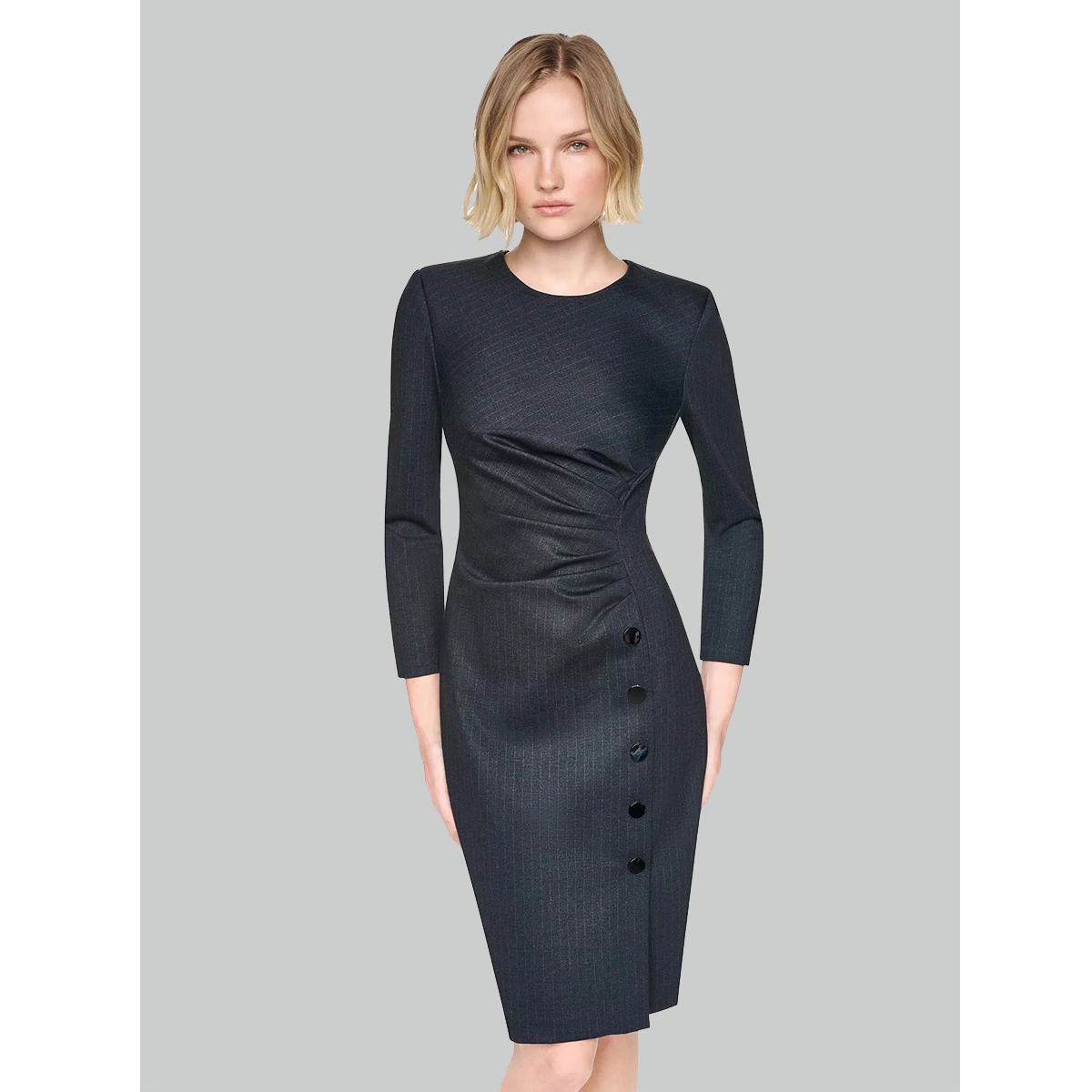
Long Sleeve Sheath Dress
For long sleeve sheath dresses, sleeve balance is an important part of fitting. We adjust shoulder shape, elbow allowance, and sleeve width during sampling to improve movement and comfort.
Formal Sheath Dress
Formal sheath dresses often involve lining, zippers, and more structured finishing. During sampling, we check the construction details carefully before moving into bulk production.
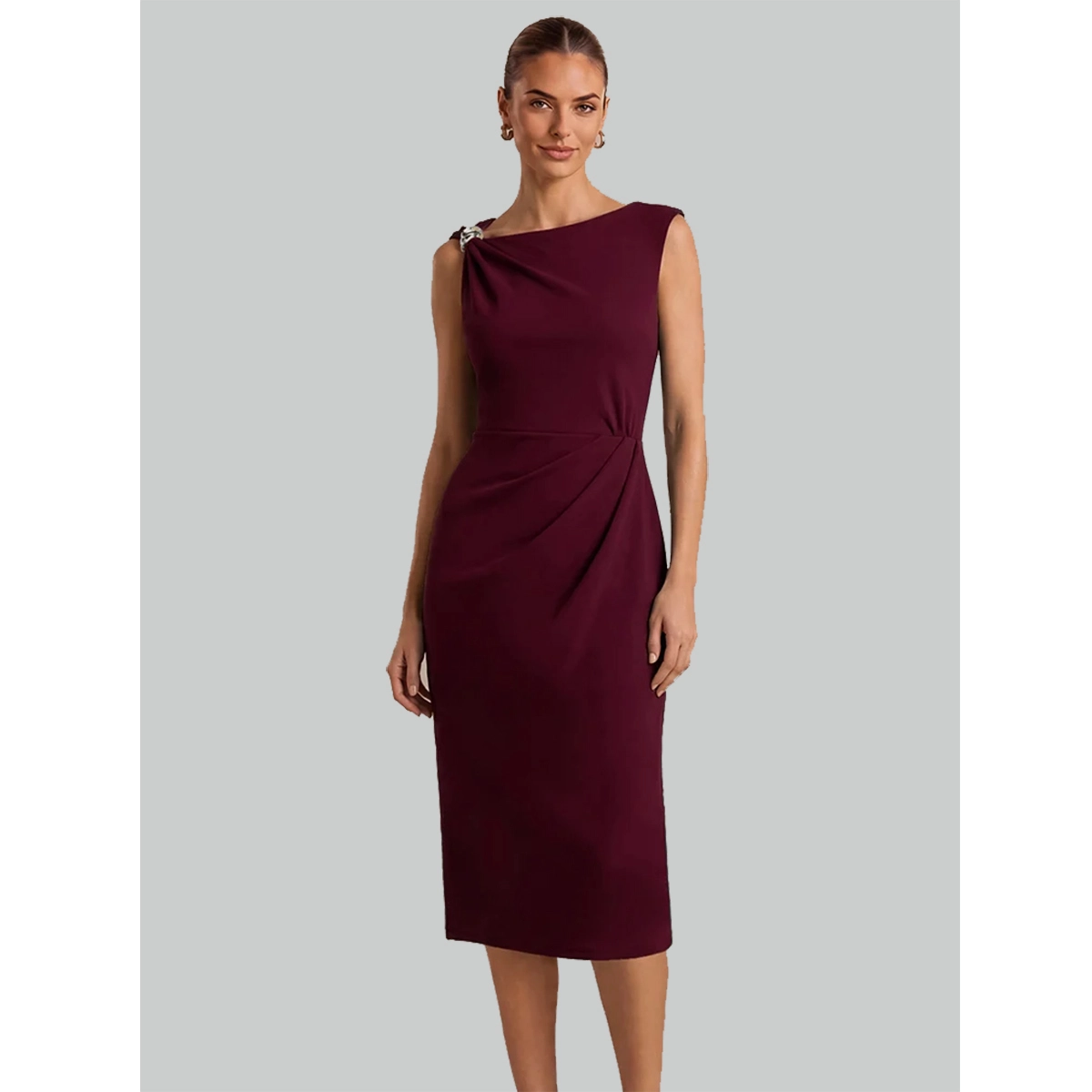
Cocktail Sheath Dress
Cocktail sheath dresses may include embellishments, special fabrics, or detailed construction. During sampling, we check placement, balance, and workmanship before bulk production.
Bulk Sheath Dress Production
After the sample is approved, we use the confirmed sample and production specifications as the reference for bulk manufacturing.
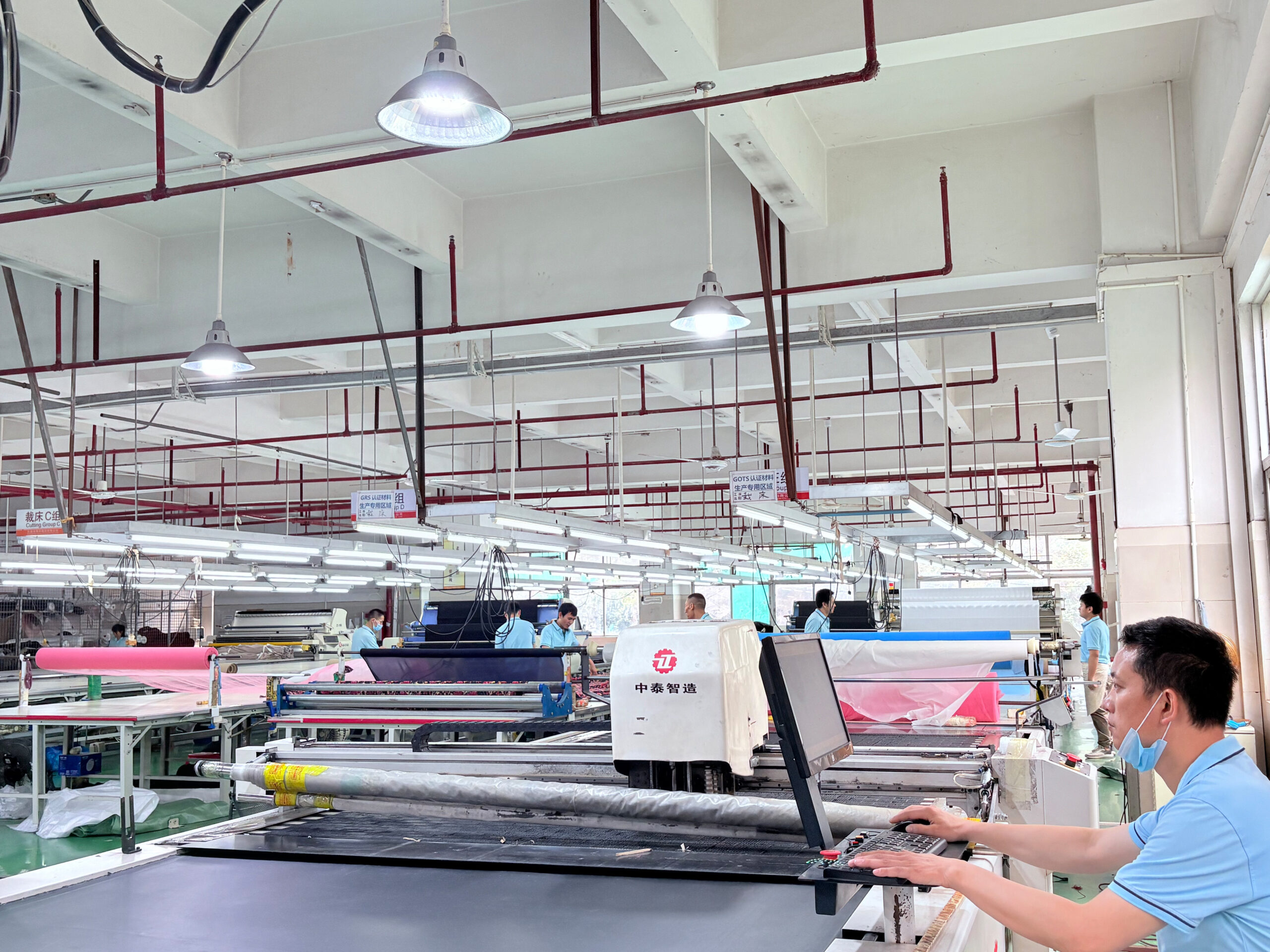
Production includes fabric inspection, pattern preparation, automatic cutting, sewing, quality checks, pressing, and final finishing.
During production, our QC team checks measurements, stitching quality, seam construction, and overall appearance. If production issues are found, our team checks the cause and makes adjustments before the garments continue to the next stage.
Before shipment, finished sheath dresses are inspected again to ensure they match the approved specifications and order requirements.
OEM & Private Label Sheath Dress Manufacturing
For private label projects, we help develop branding details, labels, packaging, and other custom product requirements.
Private label options include:
Custom Labels
Including:
- Brand labels
- Care labels
- Size labels
Custom Packaging
Including:
- Hangtags
- Polybags
- Carton packing requirements
Custom Product Details
Depending on your design:
- Fabric selection
- Color development
- Printing
- Embroidery
- Decorative details
Key Factors When Choosing a Sheath Dress Manufacturer
When selecting a sheath dress manufacturer, product images are only one part of the evaluation.
It is also important to understand how the factory handles:
- Pattern development
- Sample revisions
- Fabric inspection
- Fitting adjustments
- Bulk production control
- Quality inspection
- Packaging requirements
Before placing an order, you can ask about MOQ, sample lead time, production schedule, fabric options, and communication during manufacturing.
Sample quality is important, but consistent bulk production control determines the quality of the final shipment.
What Should You Send Us for a Sheath Dress Quote?
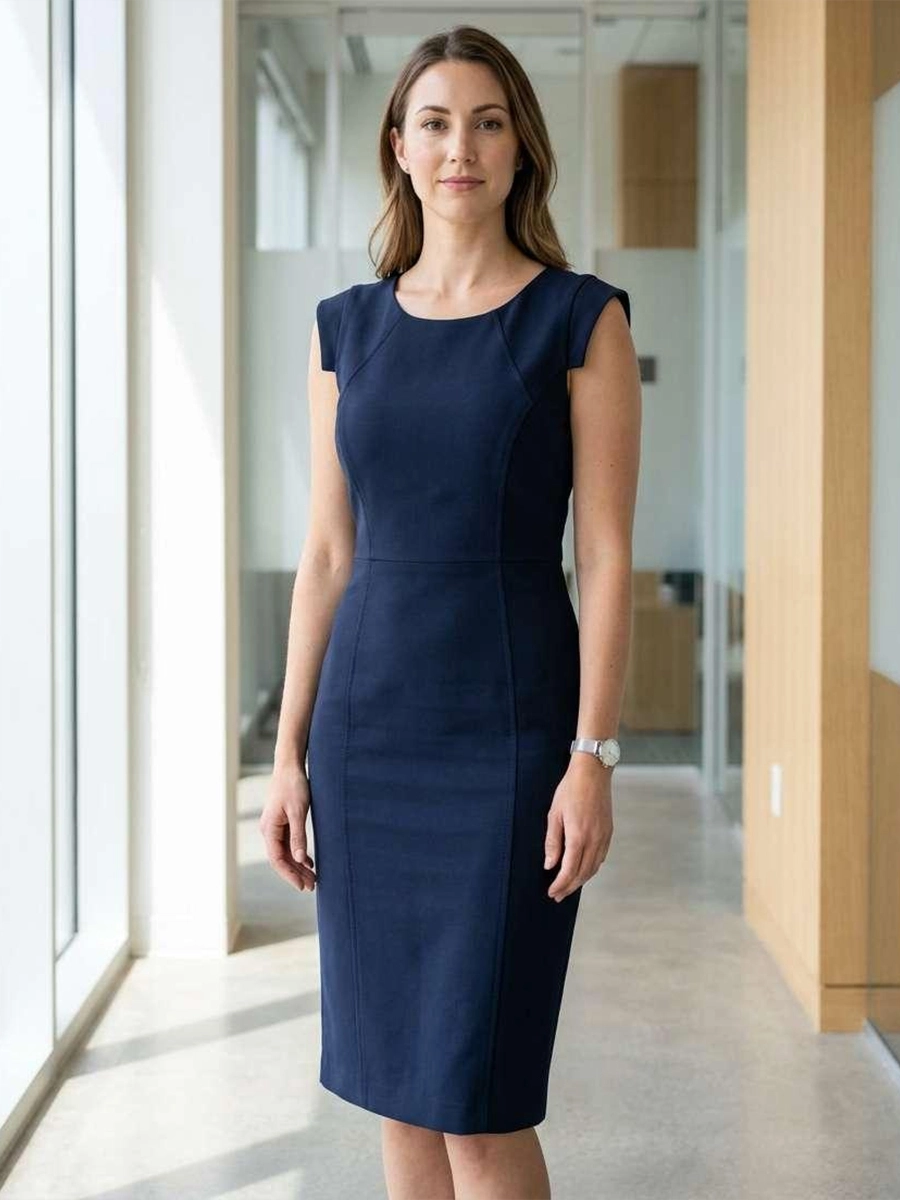
A design sketch, reference image, competitor sample, or existing garment can also be used as a starting point. For sheath dresses, details such as body fit, fabric stretch, lining, neckline construction, and seam structure can affect the final sample and production process.
If you can provide the basic measurements, fabric preference, and estimated order quantity, our team can review the main manufacturing considerations before sample development.
Useful information includes:
- Design sketch, tech pack, or reference images
- Existing garment or sample for reproduction
- Preferred fabric composition, weight, and stretch level
- Color references or Pantone numbers
- Size range and grading requirements
- Estimated order quantity
- Custom label and branding requirements
- Packaging and delivery requirements
Sheath Dress Quality Control
Our quality checks start with the material.
Because sheath dresses are fitted styles, measurement accuracy and sewing consistency are checked throughout production.
Fabric Inspection
Before cutting, fabric is checked for visible defects, shade differences, usable width and other issues that could affect production.
Cutting Inspection
Fabric spreading and cutting require careful control, especially for lightweight or slippery materials.
The marker also needs to consider fabric width and consumption, especially for styles with multiple layers or directional prints.
Sewing Inspection
The sewing stage is checked for seams, gathers, lining attachment, zippers, straps and other construction details.
In-Line Inspection
Checking during production allows problems to be found before the entire order is completed.
Final Inspection
Finished garments are checked against the approved production requirements before packing.
How We Manufacture Sheath Dresses: From Sample Development to Bulk Production
1. Design Review & Production Confirmation
Before making samples, we review the construction details, measurements, fabric requirements and finishing methods.
If any details may affect production cost or manufacturing difficulty, we communicate them before moving forward.
2. Pattern Making & Sample Development
Our sample room includes 15 pattern makers and 35 sample sewers who handle pattern adjustments, sample making, and fitting revisions before bulk production.
The first sample is used to check:
- Fit
- Measurements
- Fabric performance
- Construction details
- Overall appearance
Sample development usually takes 3–7 days depending on design complexity.
3. Fit Adjustment & PP Sample Approval
After sample review, adjustments can be made according to your feedback.
We confirm details such as:
- Size measurements
- Fit preference
- Sewing workmanship
- Fabric behavior
- Label and packaging requirements
Bulk production starts after the PP sample is approved.
4. Bulk Cutting and Sewing Production
After approval, production moves into bulk manufacturing.
Our factory handles:
- Fabric inspection
- Pre-shrinking when required
- Automatic cutting
- Sewing assembly
- In-line quality checking
- Pressing
- Final inspection
The production team follows the approved sample and specifications to keep the bulk order consistent.
Related Dress Manufacturing Categories
If you are developing different dress silhouettes alongside your dress collection, our broader dress manufacturing capabilities cover a range of construction methods and product categories.
- Corset Dress Manufacturer
- Midi Dress Manufacturer
- Satin Dress Manufacturer
- Chiffon Dress Manufacturer
- Halter Dress Manufacturer
Key Production Points for Sheath Dresses
Because sheath dresses follow the body closely, pattern accuracy and construction control are especially important during production.
The pattern needs to follow the body shape while still allowing enough comfort for movement. Small adjustments in bust, waist, hip, and seam positions can affect the overall fit.
Fabric choice also influences the final result. Stretch fabrics can provide better comfort for fitted styles, while woven fabrics usually require more attention to ease allowance, lining, and construction details.
During sample development, we check the garment measurements, fitting balance, and silhouette before moving into bulk production. For styles with structured shapes, we also pay attention to seam placement, darts, and reinforcement areas to maintain the intended shape.
Fabrics We Use for Custom Sheath Dresses
Fabric choice affects sheath dress fit, comfort, and the final look of the garment.
Common options include:
| Fabric | Production Consideration |
|---|---|
| Stretch Crepe | Used for fitted styles requiring comfort and shape recovery |
| Ponte Knit | Suitable for structured fitted styles requiring shape retention |
| Satin | Requires careful handling to maintain surface appearance |
| Chiffon | Usually requires lining and attention to drape |
| Wool Blend | Suitable for structured professional styles |
| Jersey | Flexible option for comfortable everyday designs |
If you already have a preferred fabric, you can send fabric details or samples. We can review whether the material is suitable for your target design.
What Makes Sheath Dress Production Different?
Compared with loose-fit dresses, sheath dresses have less room for fitting adjustment after production.
Small differences in measurements can affect:
- Waist position
- Hip fitting
- Wearing comfort
- Overall silhouette
That is why sample development is an important step before bulk production.
Our sample room works closely with the pattern department to check these details before production moves forward.
Explore Our Factory & Dress Manufacturing Capabilities
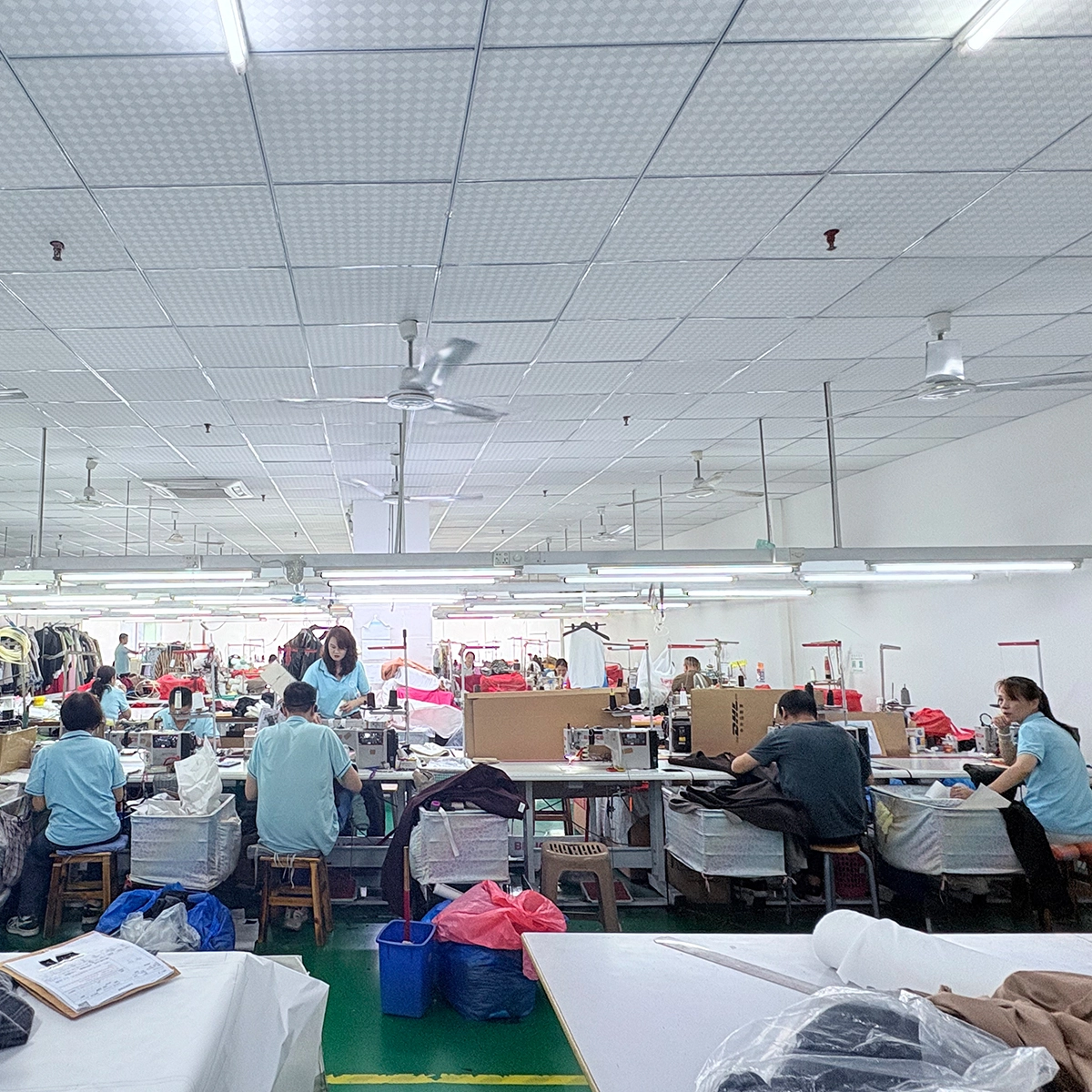
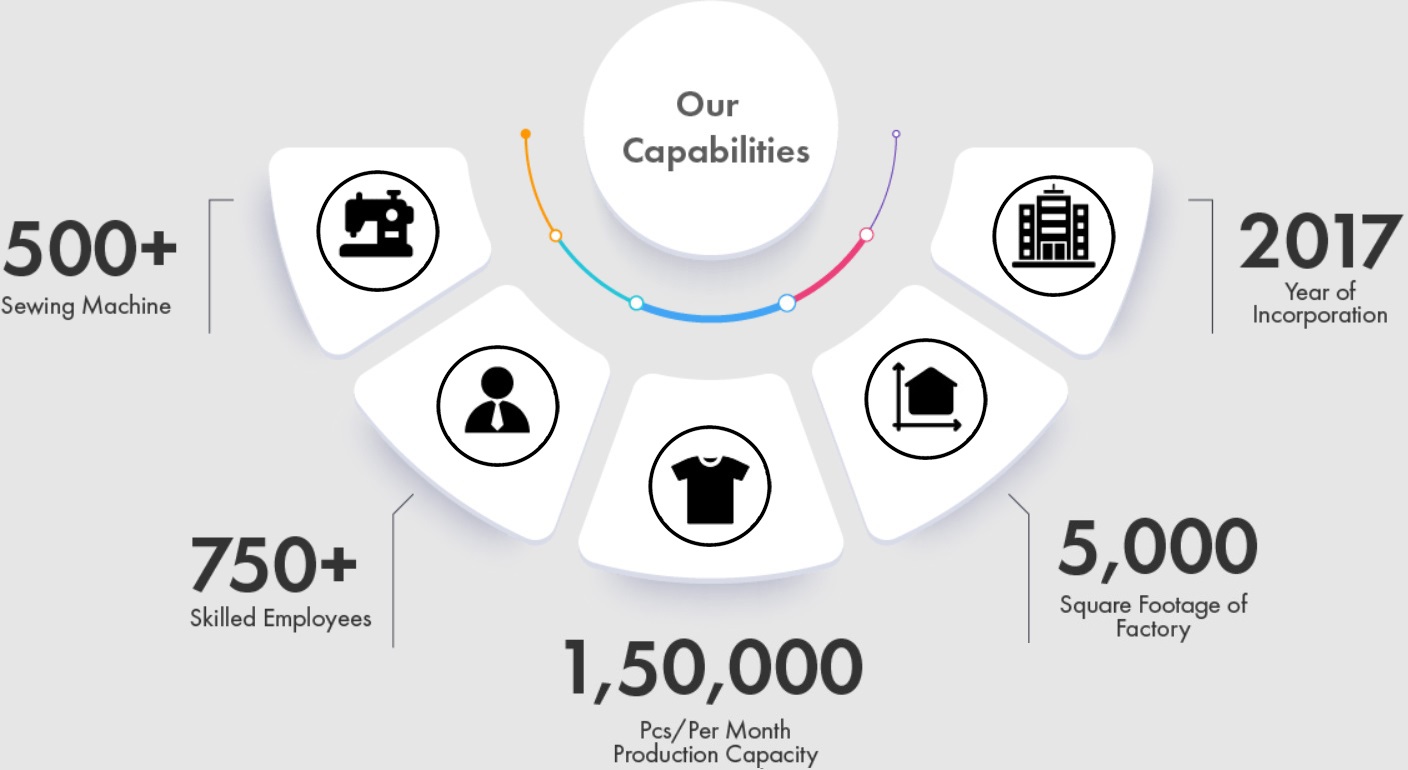
Xiuyu Apparel has been making dresses since 2007. Our 5,000㎡ factory has more than 500 sewing machines and a team of over 750 workers handling cutting, sewing, finishing, and quality inspection.
Our current production capacity is around 150,000 pieces per month, depending on the styles and order quantities.
- Our Capabilities
- Factory Picture
- How We Manufacture Dress
- One-Stop Services
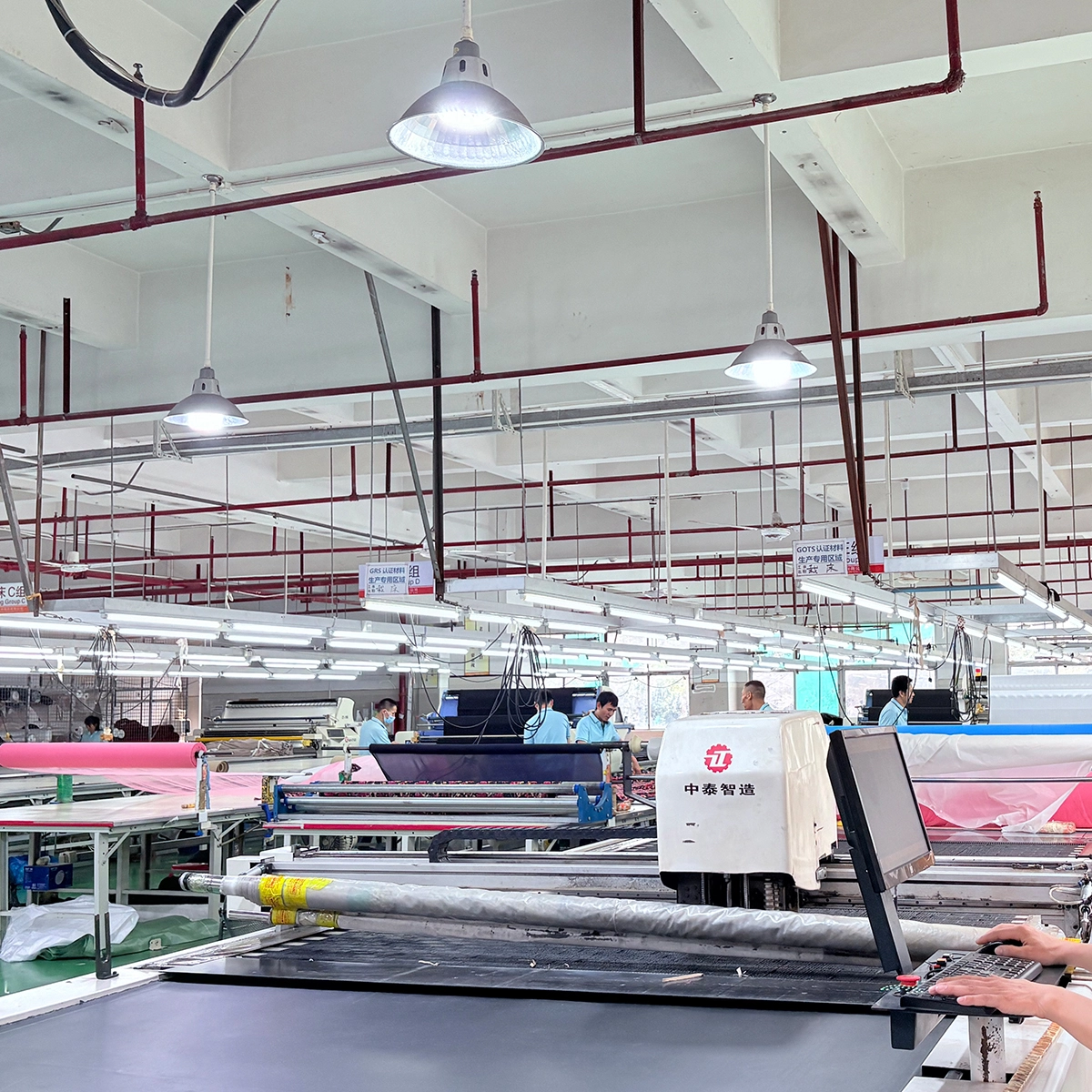
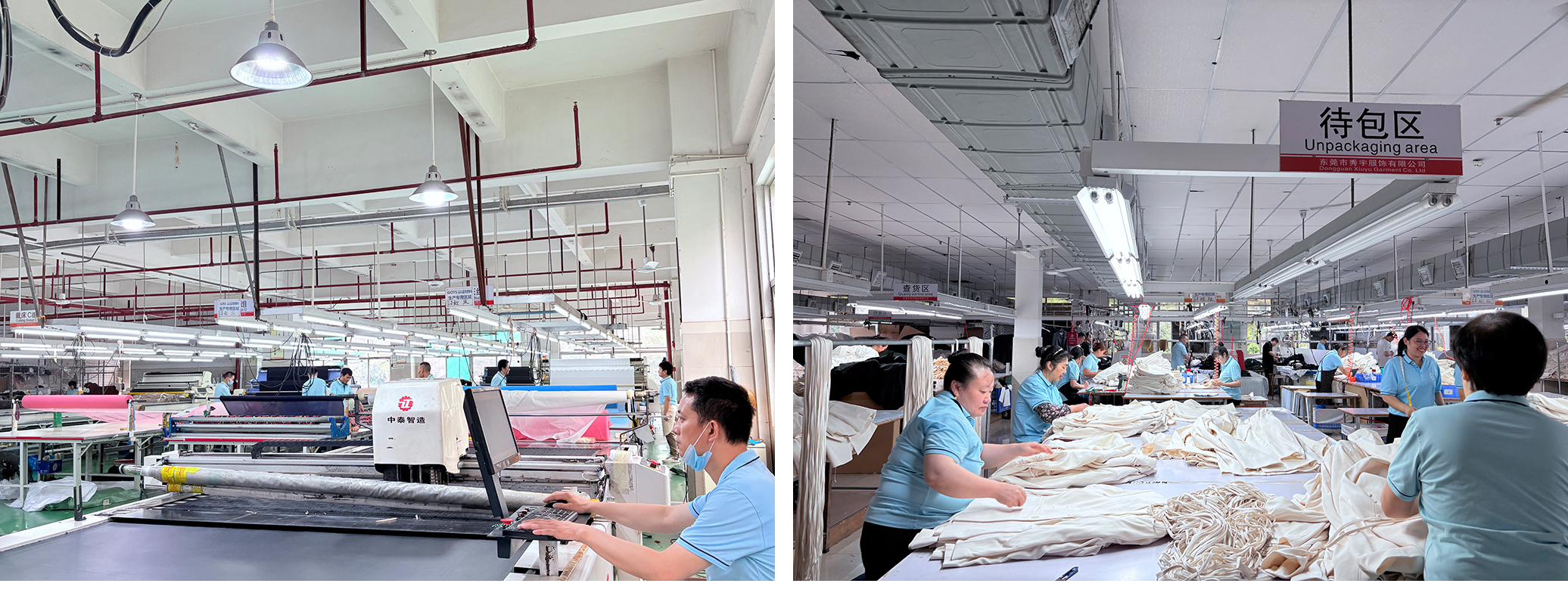 Cutting room & QC inspection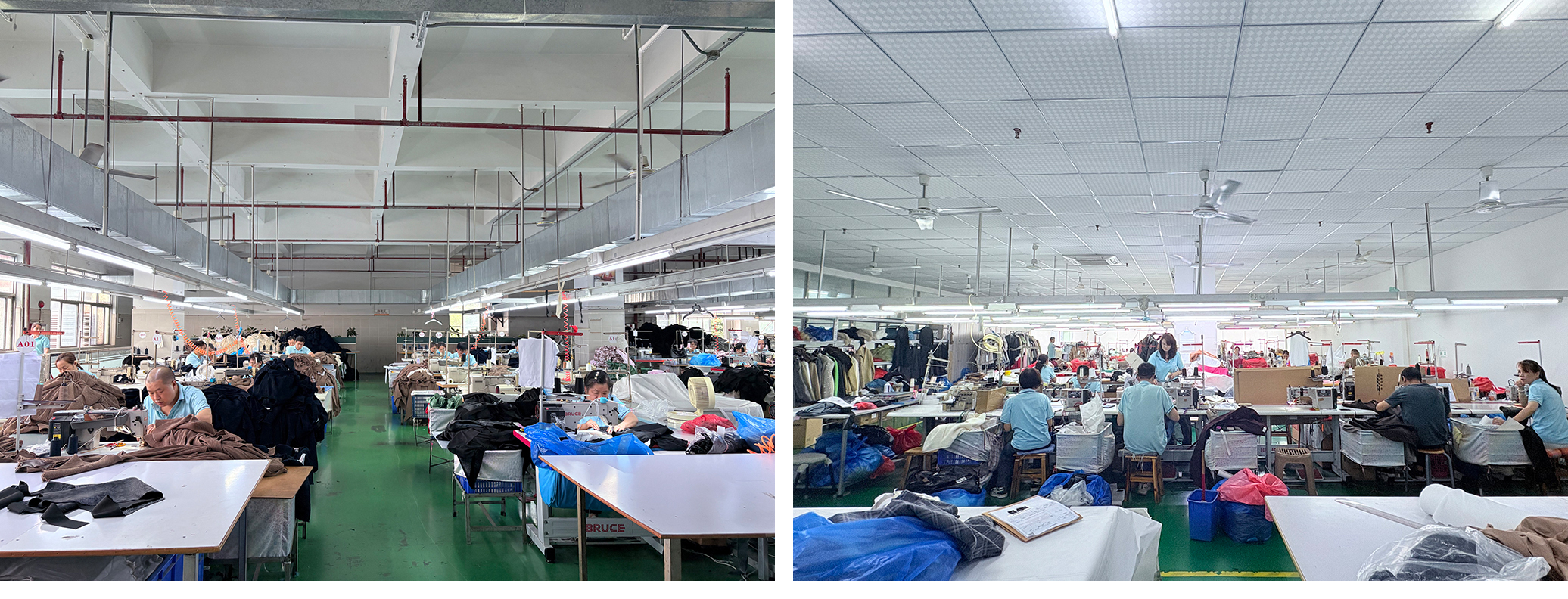
Sewing workshop
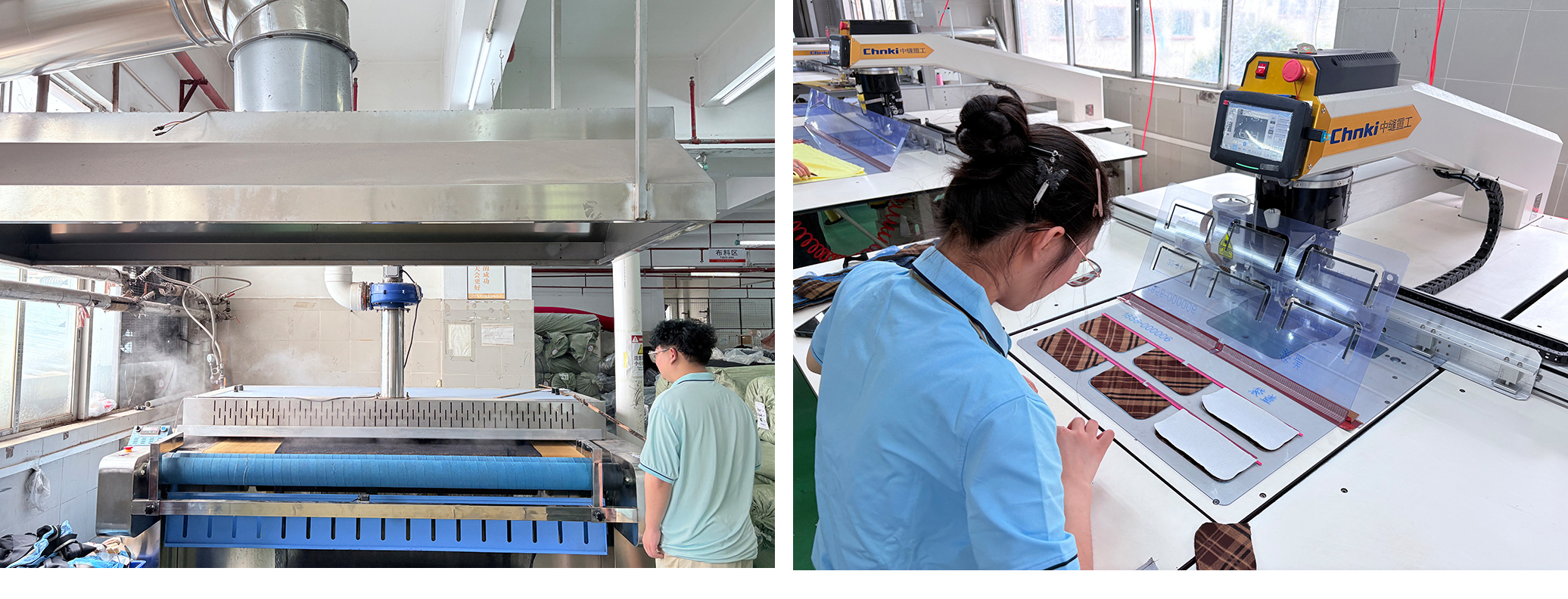 Fabric Pre-shrinking Workshop & Automatic Template Machine Workshop
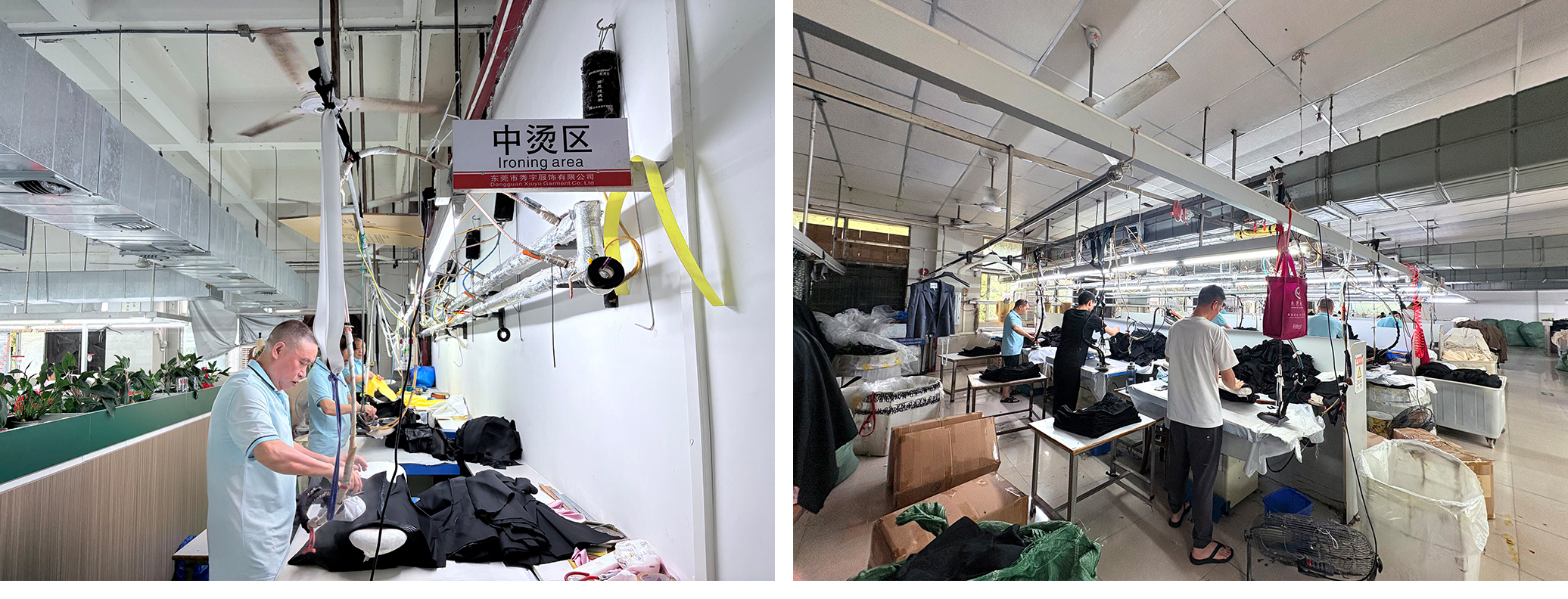 Finishing Workshop
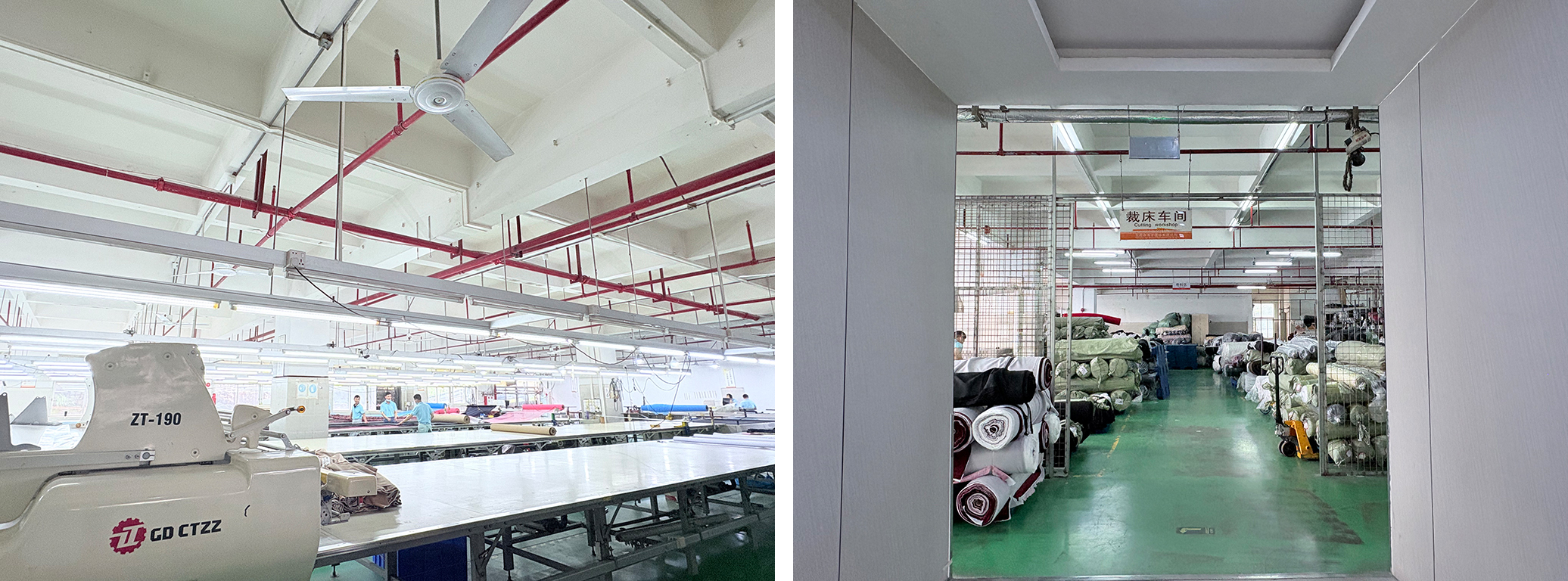
Cutting Room & Fabric warehouse
Before bulk production starts, the fabric is checked for color, surface condition, weight, and other issues that could affect the finished dress. For new styles, we also make a pre-production sample to check the fit, construction, and sewing details before moving into bulk production.
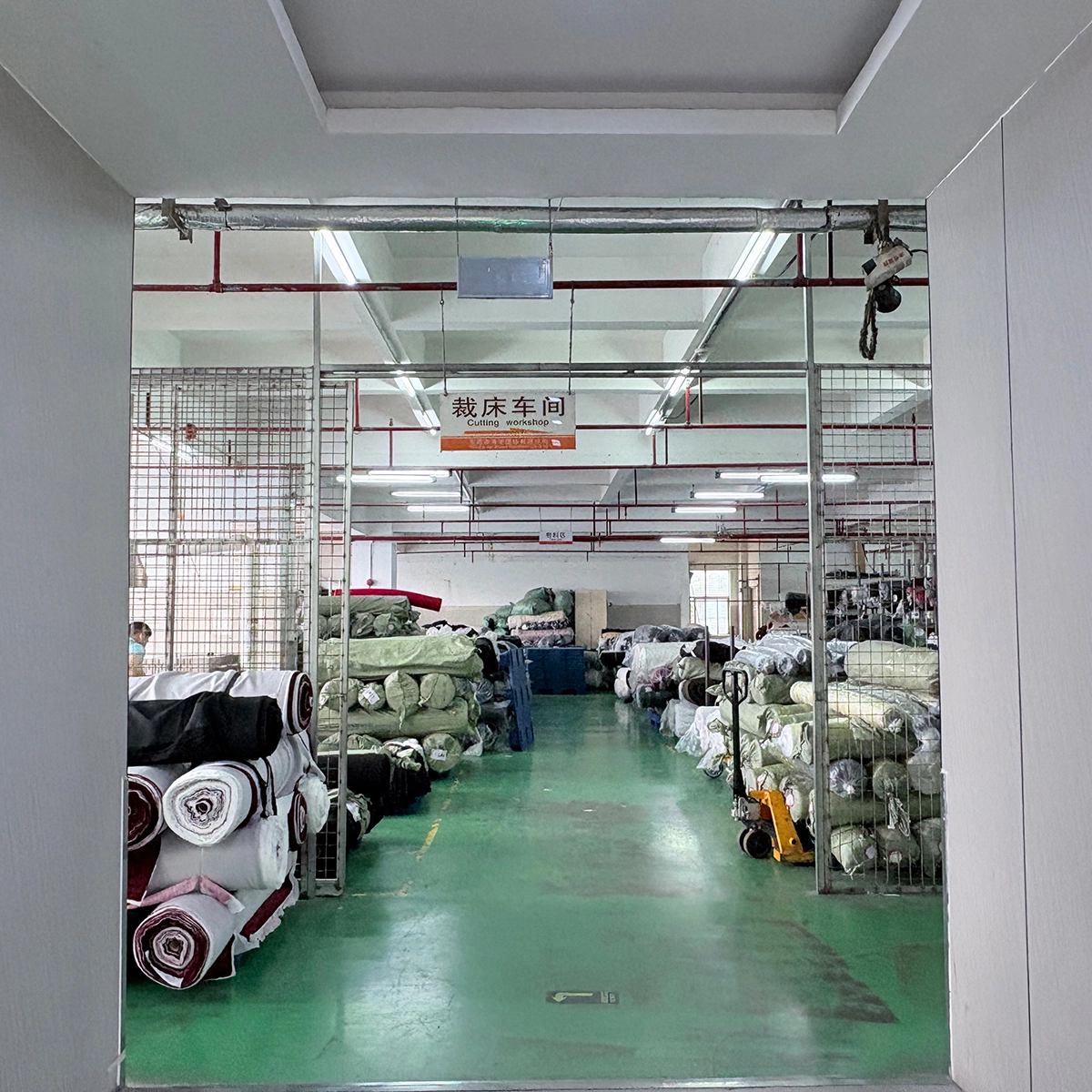
Fabric Warehouse
All fabrics are stored in our warehouse with clear labeling and batch records. Before cutting begins, our team checks fabric quantity, color, and quality condition against the production requirements.
↓
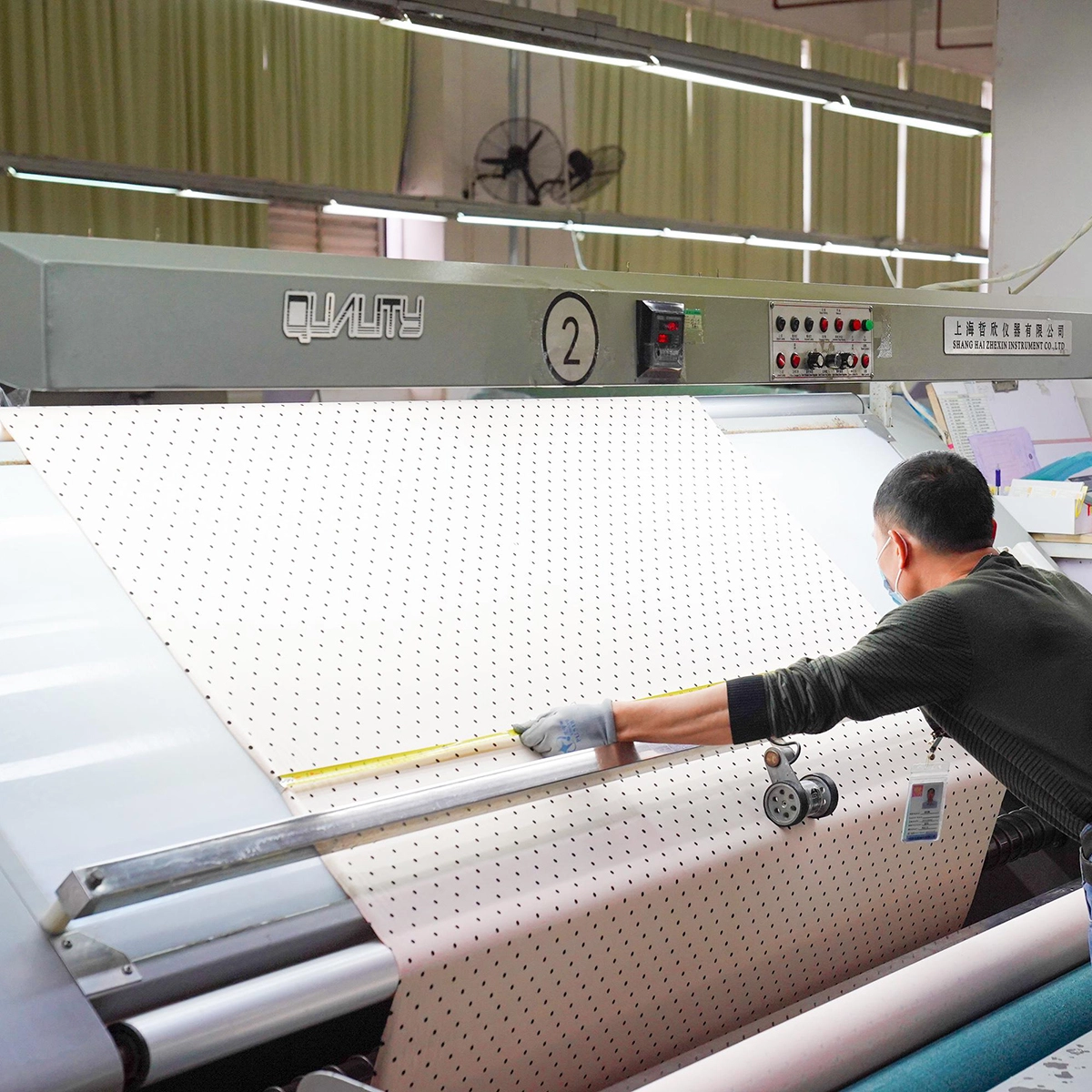
Fabric Inspection
Each fabric roll is checked for color differences, weaving defects, stains, and overall condition before cutting.
↓
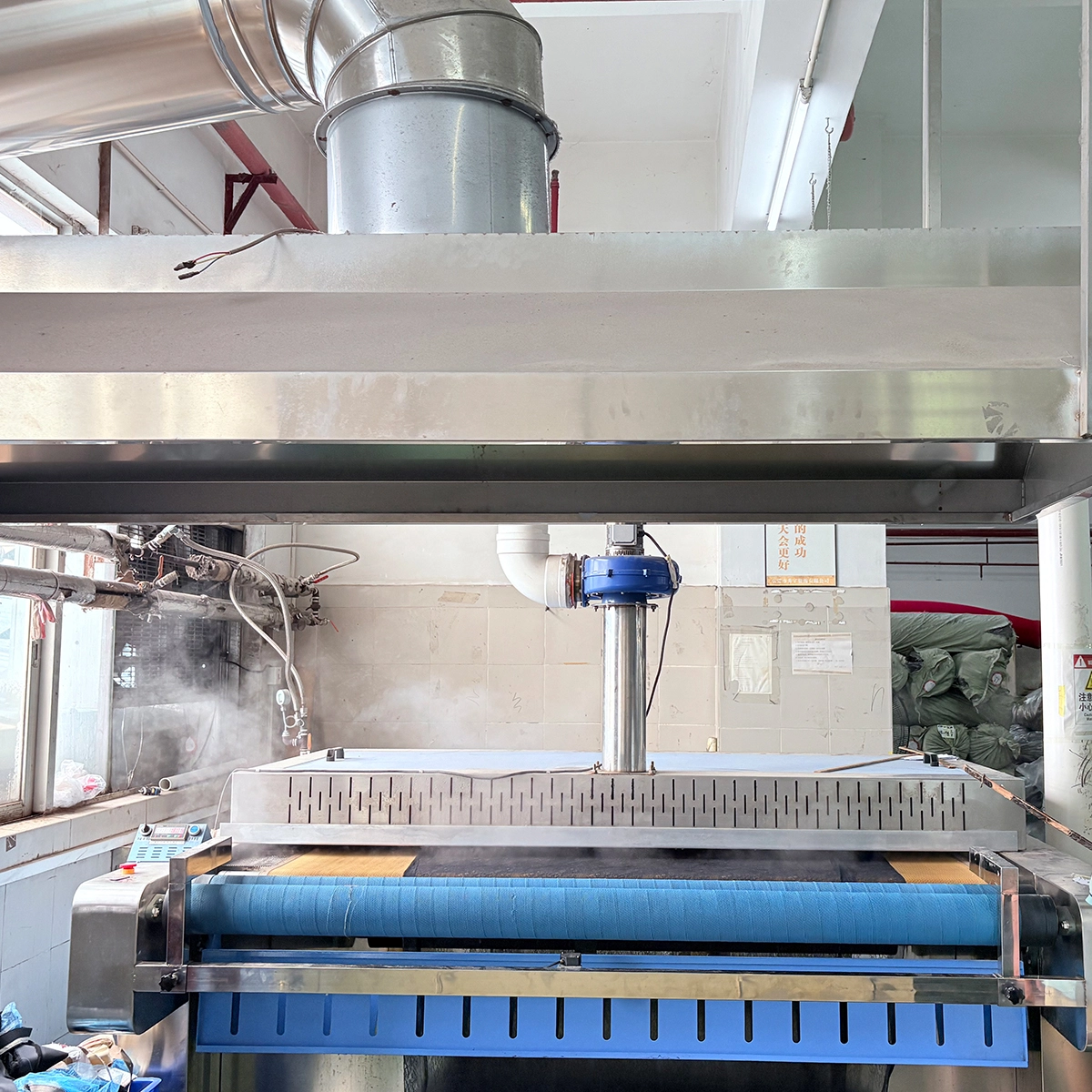
Fabric Pre-shrinking
After fabric inspection, selected fabrics go through pre-shrinking before cutting. This helps control shrinkage and keep finished measurements more consistent.
↓
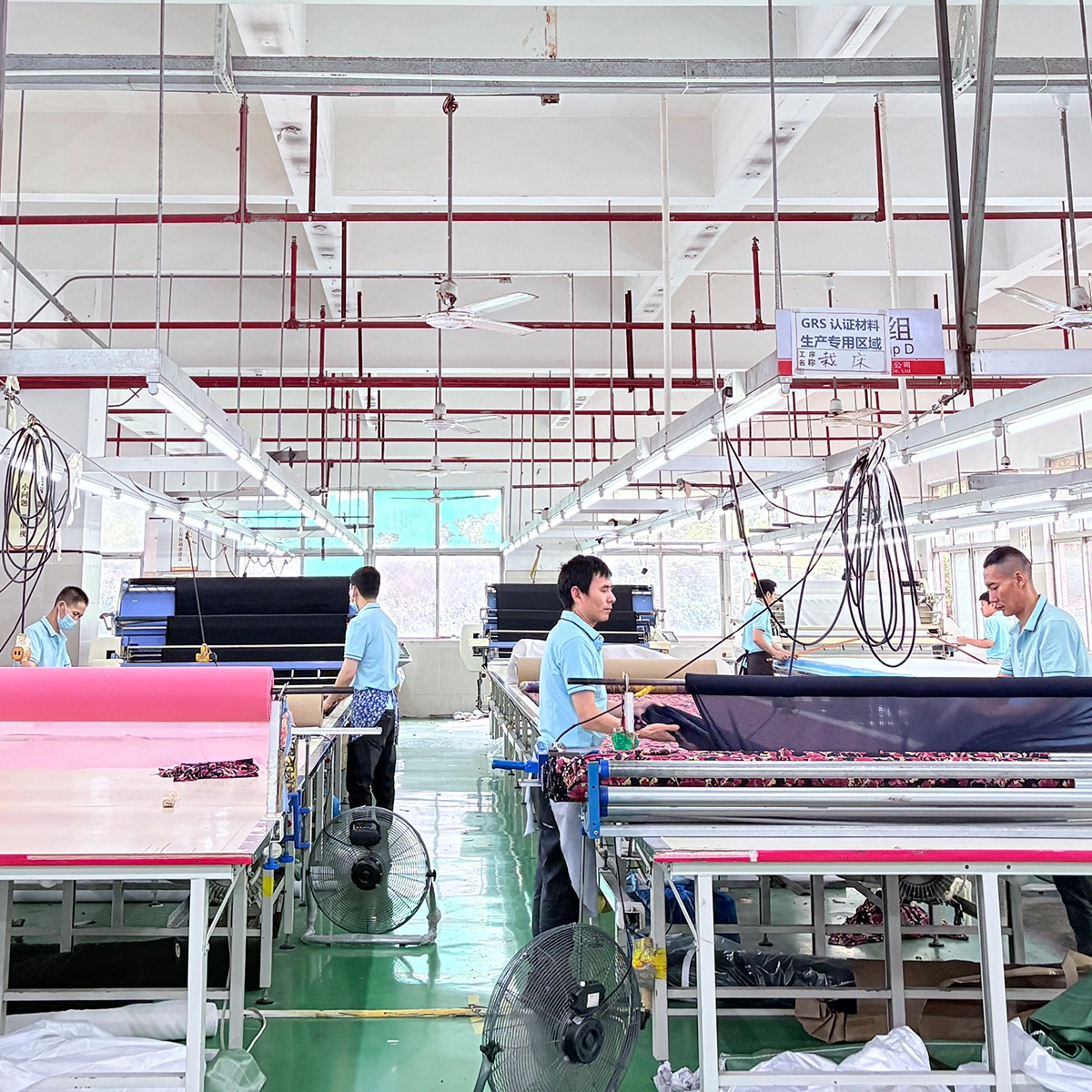
Automatic Cutting
Our automatic cutting machines are used for bulk orders where consistent cutting is required. The cutting team checks the approved markers, fabric width, and cut pieces before the bundles move to sewing.
↓
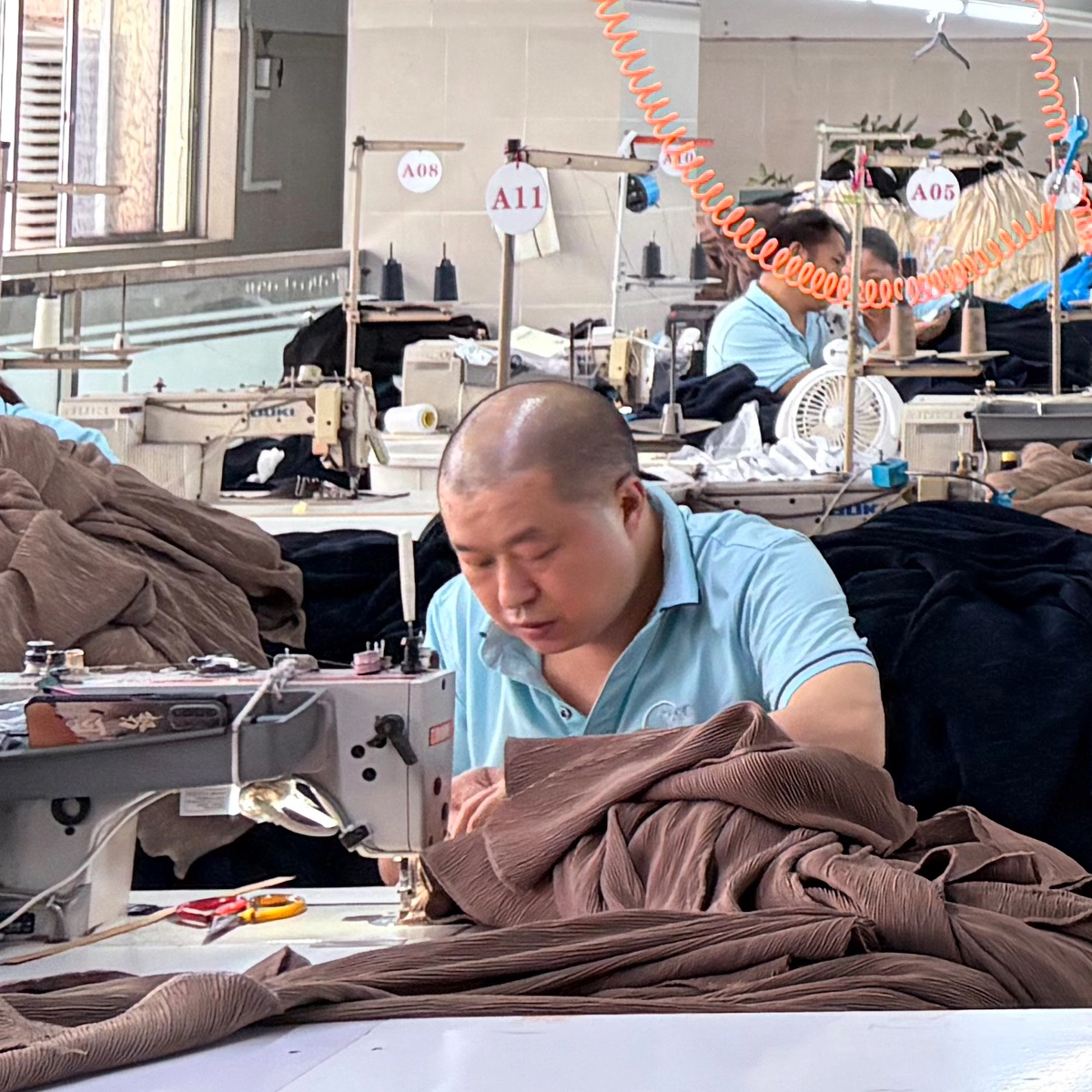
Bulk Production Sewing
Sewing operators work from the approved sample and production specifications. Supervisors and QC check key construction points during production so issues can be corrected before the garments move to finishing.
↓
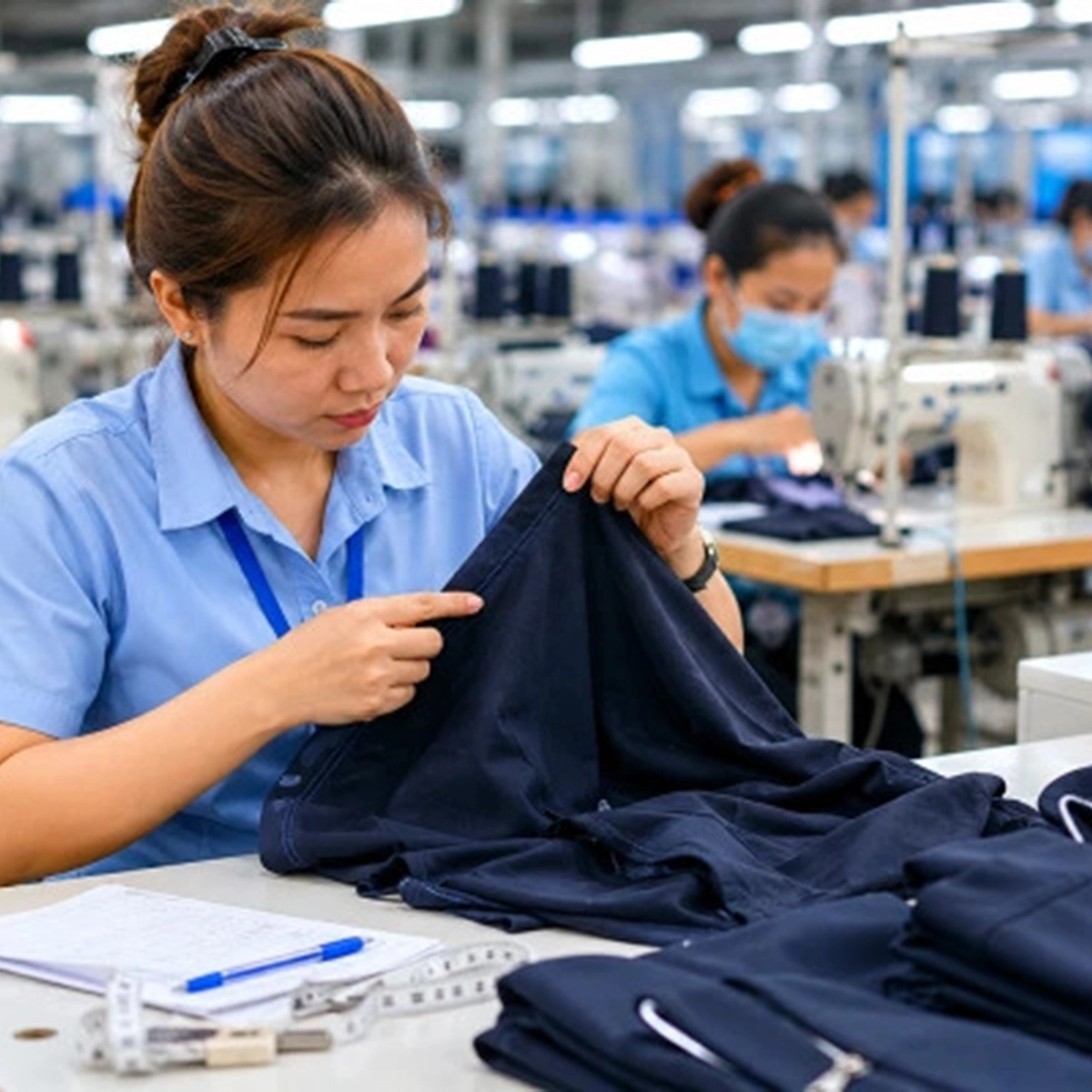
In-line Inspection
QC checks measurements and workmanship during production rather than waiting until the garments are finished. If an issue is found, the production team can correct it before more pieces are made.
↓
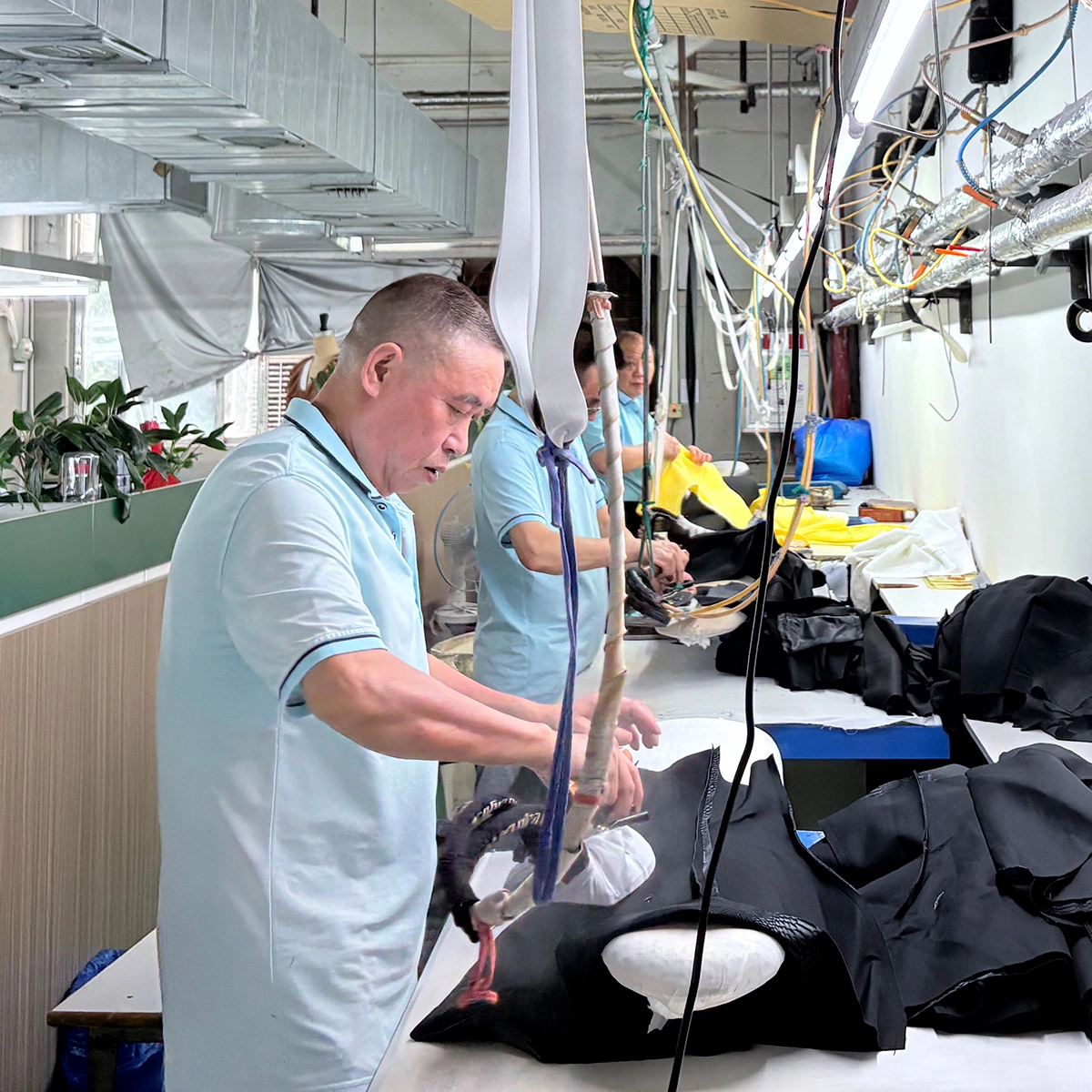
In-line Pressing
After garment assembly, each piece is pressed during production to remove wrinkles, shape key areas, and improve seam appearance.
↓
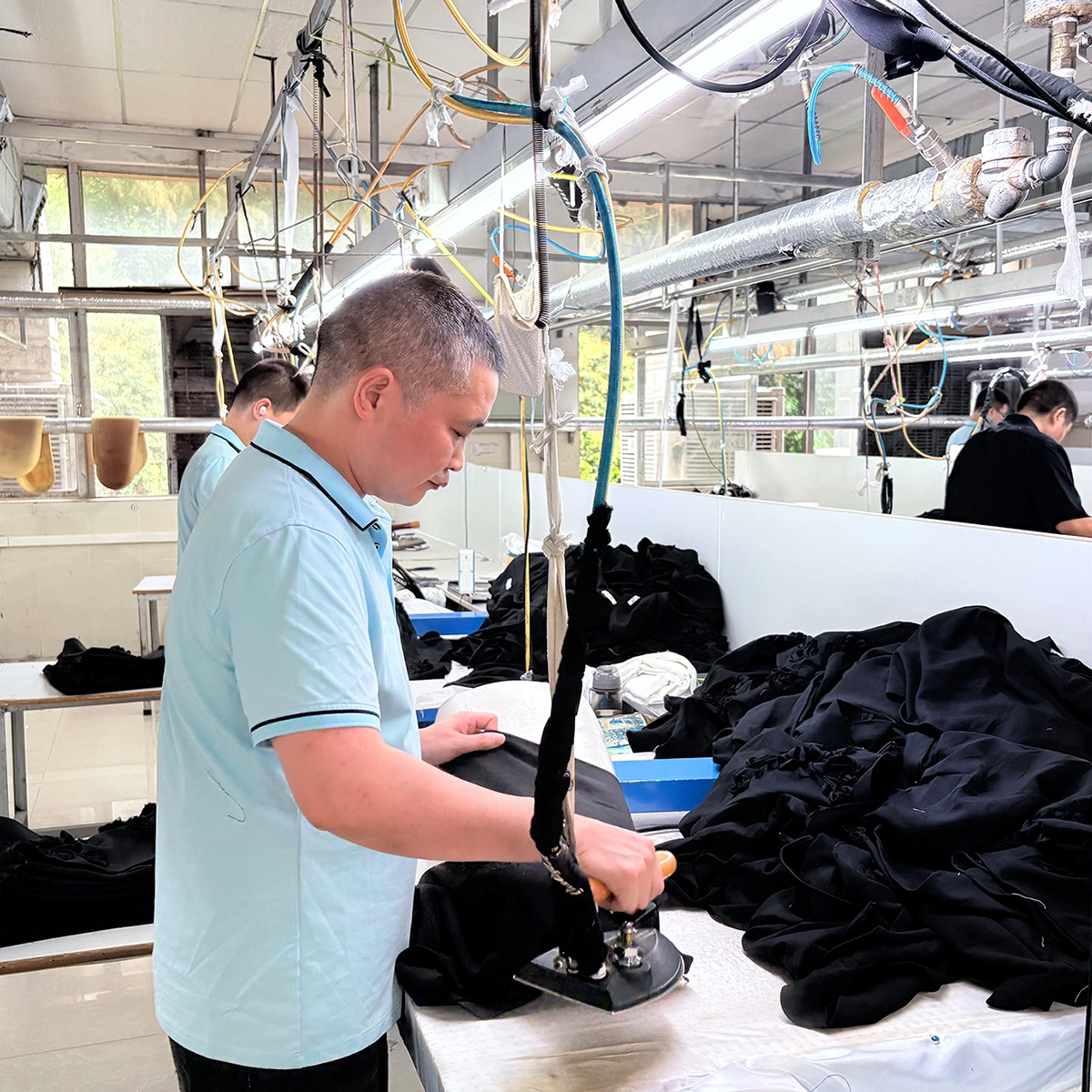
Final Pressing
Before packing, garments are pressed one last time to smooth seams, shape key areas, and improve the final appearance.
↓
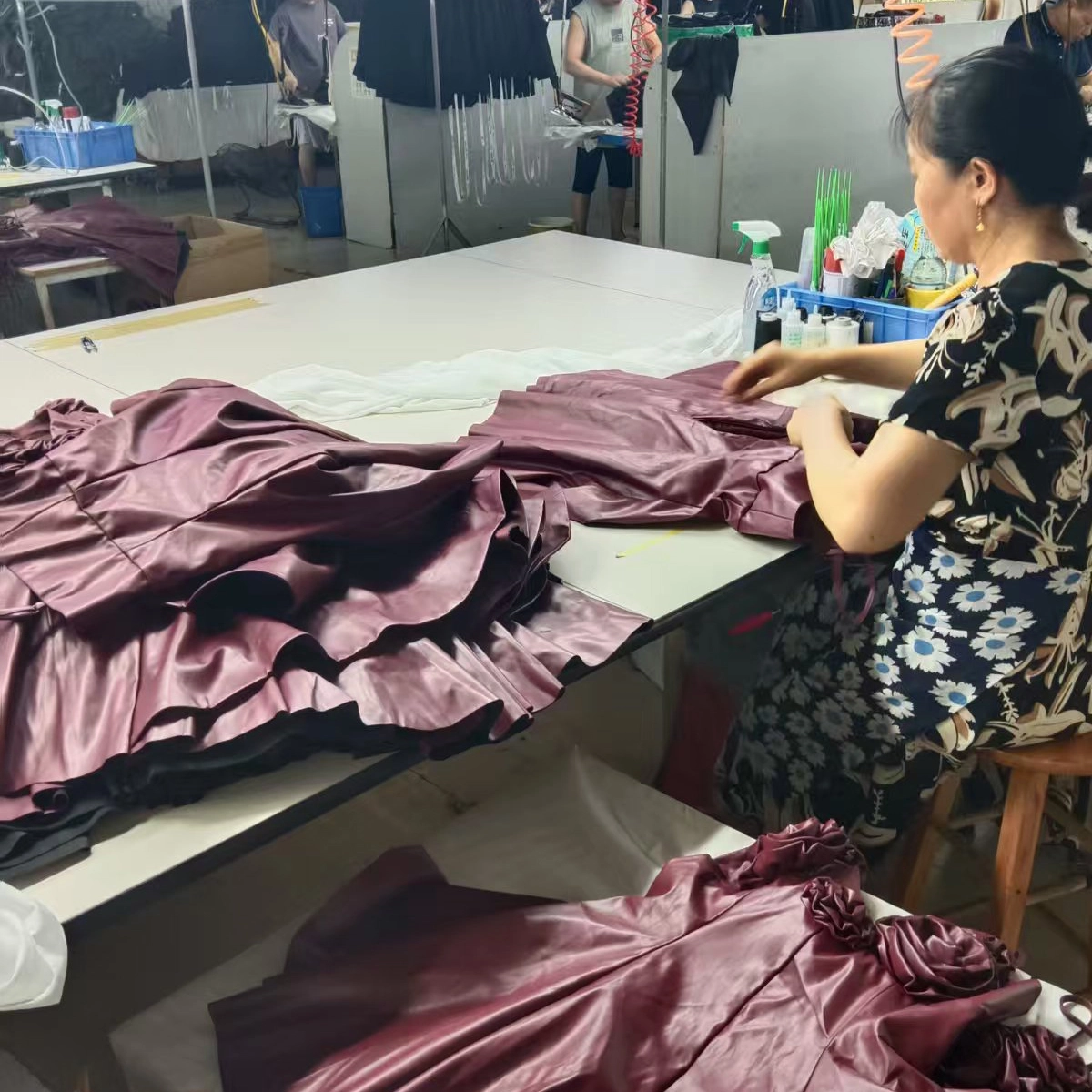
Final Inspection
Before loading, our QC team inspects finished garments for size, stitching, appearance, labels, and packing condition. After final checks are completed, orders are prepared for shipment.
↓
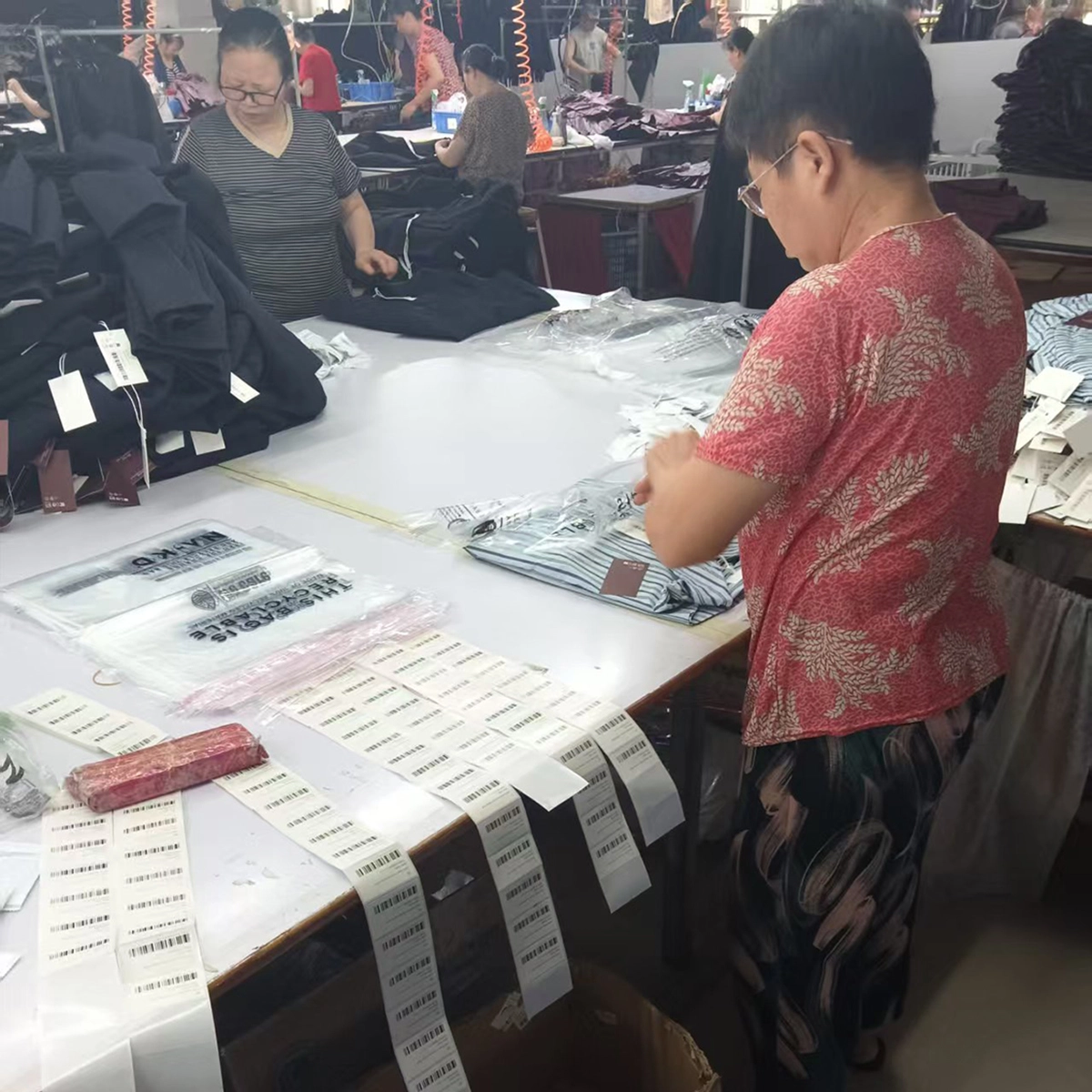
Garment Packing
After inspection, our packing team folds and packs finished garments following each order’s instructions. Labels, tags, and barcode details are checked before cartons are sealed and prepared for shipment.
↓
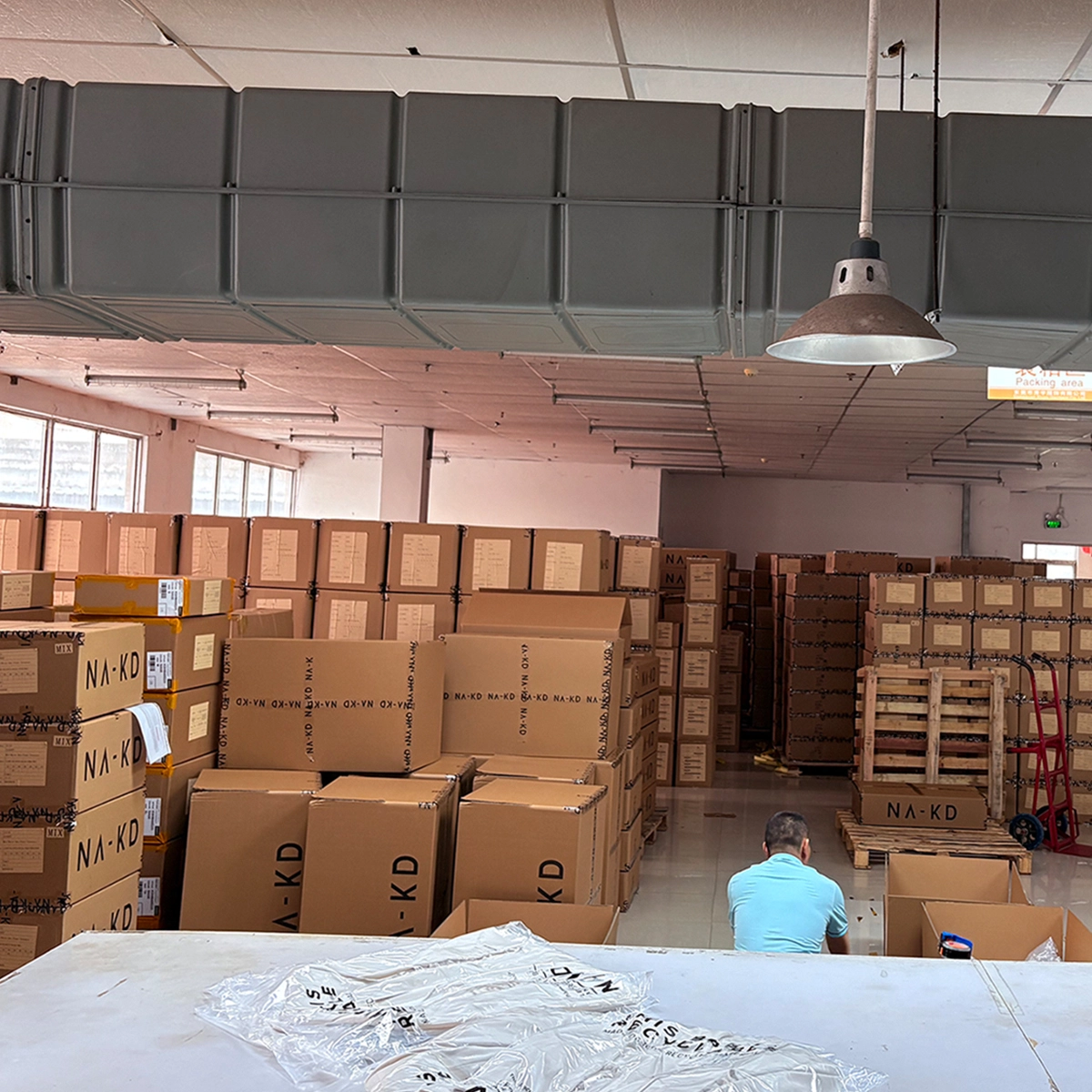
Finished Products
Our warehouse team checks finished garments by style, color, and size before loading. Carton quantities, labels, and packing details are confirmed before shipment.
As a custom clothing manufacturer, we handle the main production steps in-house, from pattern making and sampling through cutting, sewing, finishing, and final inspection. Our team works from your tech pack, sample, sketch, or reference and checks the details before the style moves into bulk production.
Keeping these stages with one production team makes it easier to deal with pattern changes, sample revisions, and construction issues before cutting starts. We can also arrange screen printing and custom embroidery when these details are part of the design.
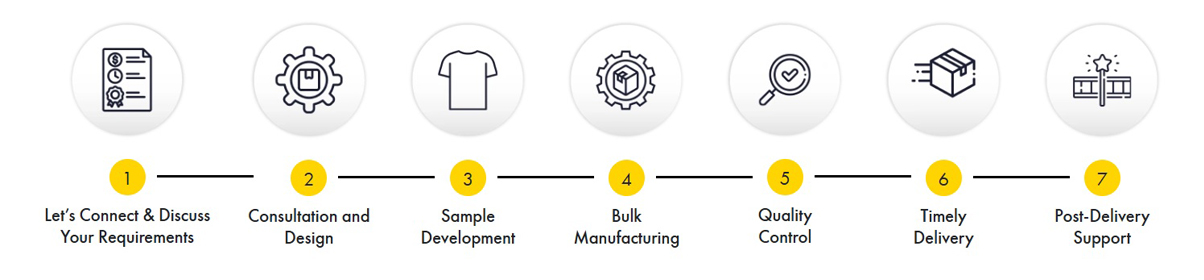
Start Your Sheath Dress Project
You can send your current design information, even if some production details are still being confirmed.
Share your tech pack, sketch, reference sample or collection idea.
Talk to Our Sheath Dress Manufacturing Team →
Our MOQ is usually 50–100 pcs per style and color. If you are testing a new collection, you can discuss your expected quantity, fabric choice and design details with our team so we can confirm the most suitable production arrangement.
Yes. You can provide a tech pack, sketch, reference garment or product image. Our team reviews the design details, develops the pattern and creates samples based on your requirements before bulk production.
The fit is mainly controlled during pattern development and sample adjustment. We check measurements, seam balance, fabric behavior and fitting results before approving the PP sample for bulk manufacturing.
Common options include crepe, satin, ponte knit, polyester blends, lace and other fabrics. The suitable choice depends on your target style, required structure and whether the dress needs stretch or a more tailored appearance.
Yes. You can customize brand labels, care labels, hangtags and packaging requirements. Our factory handles the manufacturing process while your brand controls the final product identity.
Sample development usually takes 3–7 days after confirming design details, measurements and fabric. Styles with complicated construction, special materials or additional details may require more development time.
Common issues usually come from unclear measurements, unsuitable fabric choices, or missing construction details. Reviewing these points before sampling helps reduce changes later during production and keeps the final garment closer to the original design.
After the first sample is completed, we review the fitting points and production details based on your feedback. Our pattern team can adjust measurements or construction details before the approved sample is used for bulk production.